

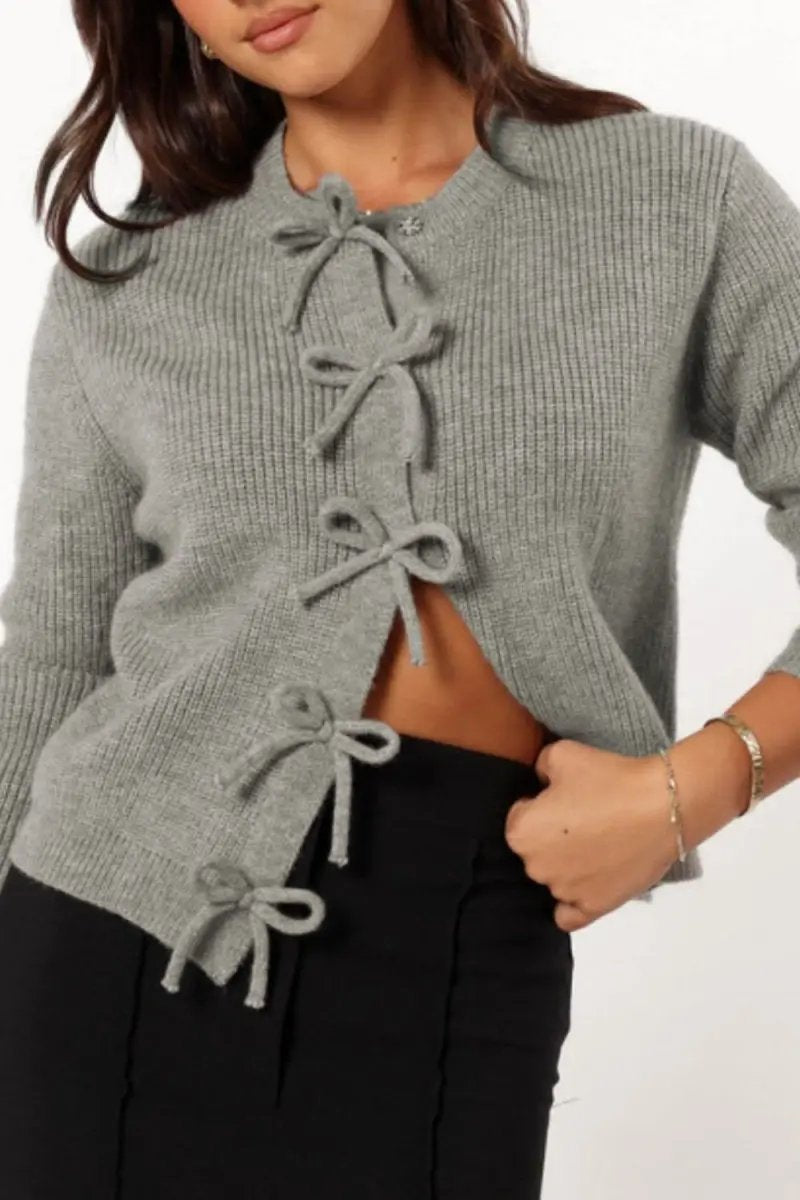
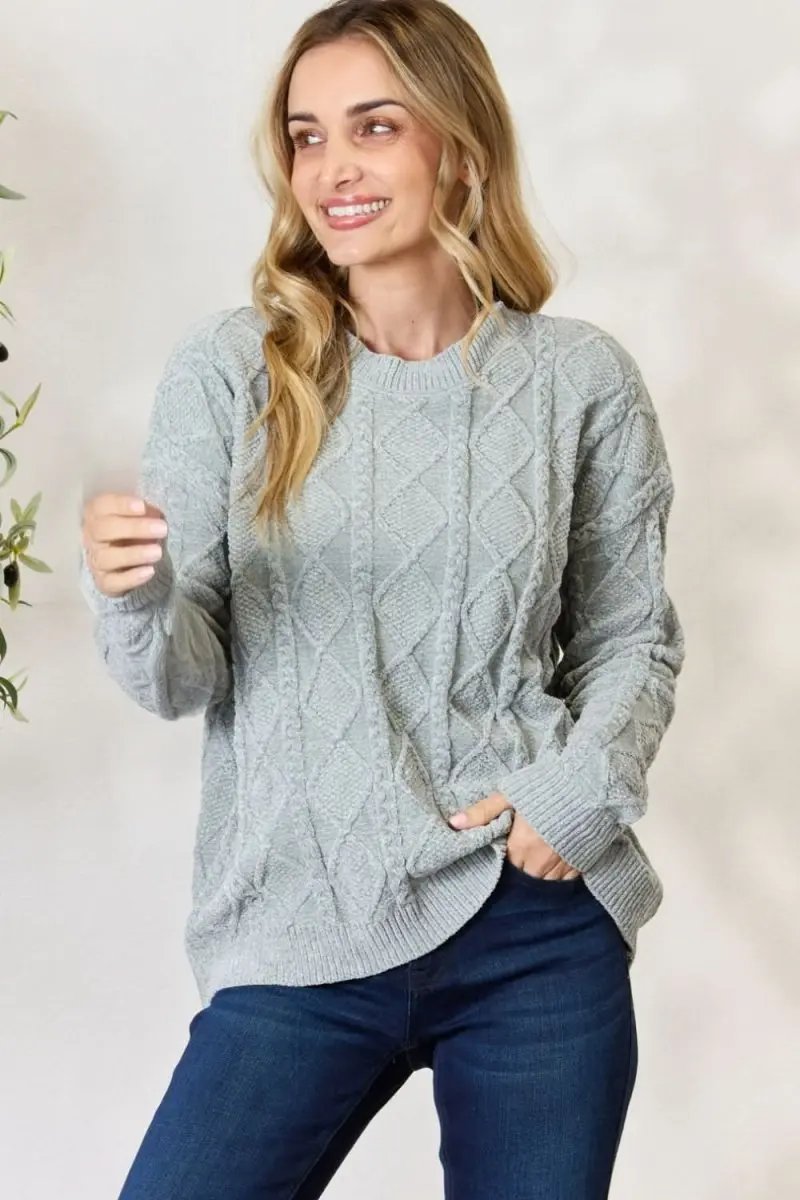


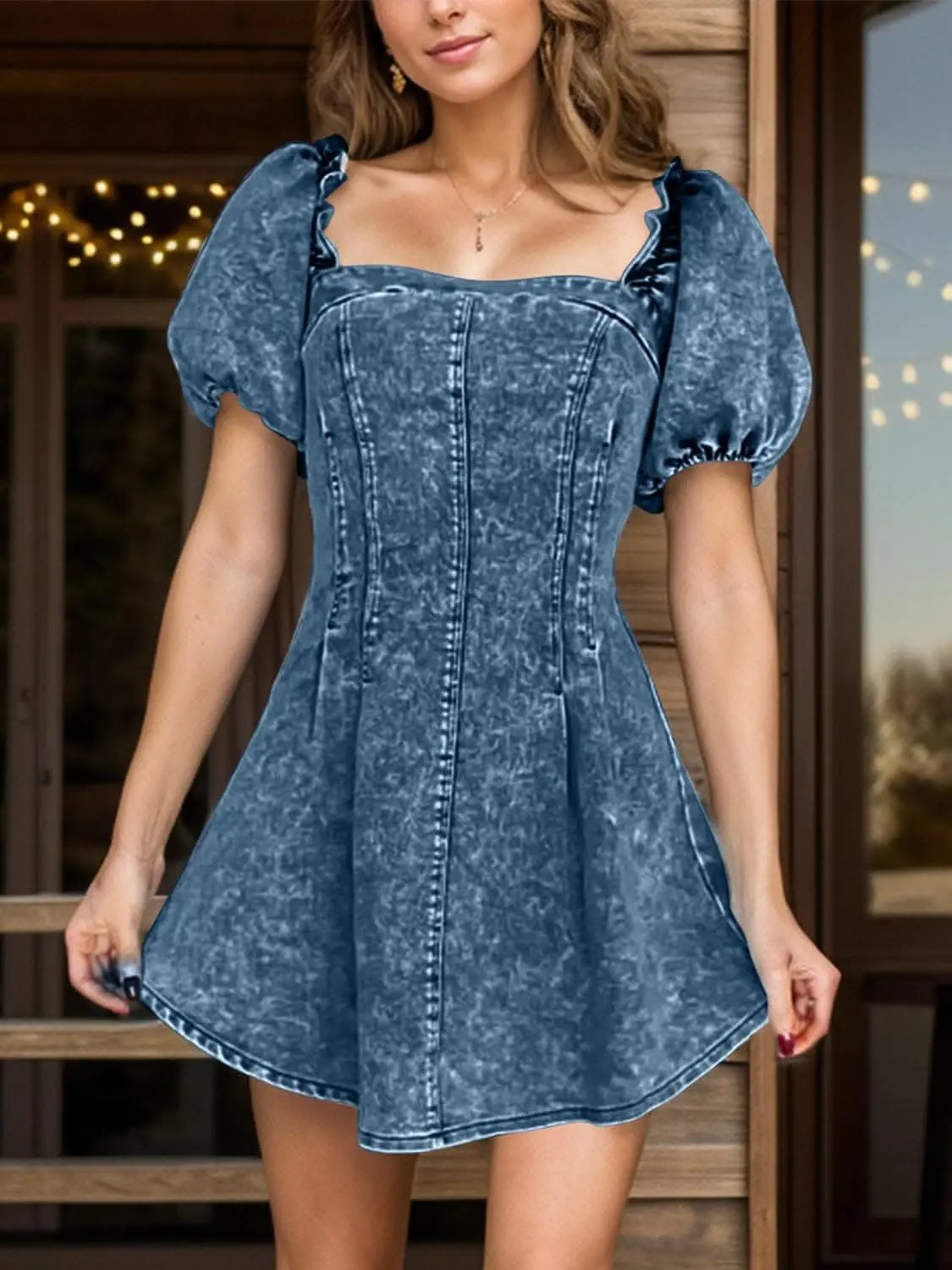

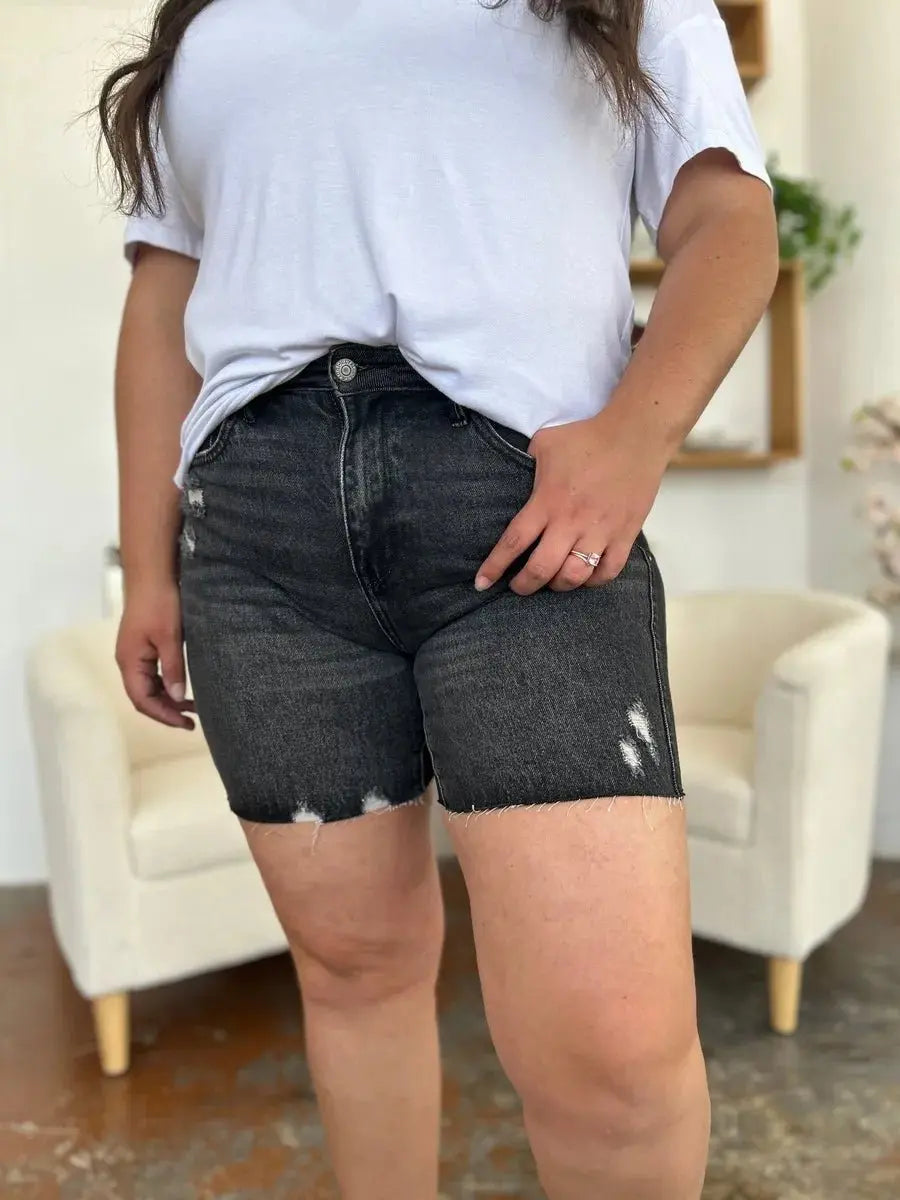










Introduction: A Deep-Dive 360° Audit for Flying Tomato Fans
If you love Flying Tomato for its playful prints, inclusive sizing, and often-unexpected silhouettes, this extended 360° capsule audit will help you transform a crowded plus-size closet into a sustainable, high-functioning wardrobe. This guide expands on editing, mending, and rewearing so you can reduce waste, save money, and get more joy from your clothes in 2025.
Why Do a 360° Capsule Audit?
A 360° audit is holistic: it covers selection, repair, fit modifications, outfit building, maintenance, and future purchases. The goal is not minimalism for its own sake, but to create a curated collection that reflects your lifestyle, fits well, and lasts longer.
- Reduce decision fatigue with ready-made outfit formulas
- Extend garment life via timely repairs and correct care
- Lower your wardrobe cost per wear and environmental footprint
- Keep the pieces that make you feel confident and donate or resell the rest
SEO Note: Keywords to Target in Your Content Strategy
- Flying Tomato plus-size capsule wardrobe
- plus-size sustainable fashion
- capsule wardrobe audit checklist
- how to mend clothing plus size
- repair and restyle printed dresses
Getting Ready: Time, Space, Tools and Mindset
Plan a full weekend for the first audit. Future mini-audits will be faster. Clear a large, comfortable space with full-length mirror and good lighting. Put on something neutral and comfortable so trying clothes is easy.
- Tools: basic sewing kit, spare buttons, fusible hem tape, heavy-duty needle, seam ripper
- Supplies: fabric glue, iron, steamer, lint roller, stain remover, garment bags
- Digital: camera or phone to photograph looks, notes app or spreadsheet to log decisions
- Mindset: be honest, compassionate, and curious. Keep emotion from blocking practical decisions
Step 1: The Complete Sort
Empty your closet and drawers. Seeing everything at once is pivotal. Sort by category first, then try on by pile. Use four piles: Keep, Maybe, Repair, Donate/Resell/Recycle.
- Keep: fits, flatters, and you feel great wearing it regularly
- Maybe: classic or sentimental pieces you need to test in full outfits
- Repair: pieces with small issues that are worth fixing
- Donate/Resell/Recycle: irreparable, heavily stained, or items you haven’t worn in 18 months
Try-on tips
- Try garments with the shoes or layers you would wear with them
- Move, sit, and raise your arms to test comfort and fit
- Take a quick photo from the front and side for later comparison
Decision Rules to Make Letting Go Easier
- 30 wears rule: if you won’t realistically wear something 30 times, reconsider
- One-year test: if you haven’t worn it in 12 months, you probably won’t
- Sentiment cap: keep a small set of sentimental items only
- Duplicates: keep the best-condition item and donate duplicates
Step 2: Building Your Purpose-Driven Capsule
Decide the main functions of your capsule: daily workwear, weekend casual, travel, event dressing, or mixed. For most people, 25 to 40 pieces plus accessories is a functional range for a plus-size capsule that balances variety with manageability.
- Start with core categories: tops, bottoms, dresses, outerwear, shoes, accessories
- Create a color story: 2–3 neutrals and 2–3 accents. Let Flying Tomato prints be the accent pieces
- Prioritize versatility: pieces that can be layered, dressed up or down, and tailored
Sample Capsule Composition for Different Lifestyles
Adjust totals by lifestyle and climate. All sets assume Flying Tomato prints as statement pieces.
- Office-focused capsule: 30 items including 6 blouses, 4 trousers, 5 dresses, 2 blazers, 4 shoes, 5 accessories
- Casual + creative work: 28 items including 8 tops, 3 jeans, 4 skirts/dresses, 3 jackets, 4 shoes
- Travel capsule: 20–25 items optimized for layering and neutral colors with 3 printed statement pieces
Step 3: Mending Essentials That Multiply Wear
Small repairs often revive garments. Prioritize fixes for items you wear frequently or that are costly to replace.
- Buttons: replace broken or missing buttons and reinforce button threads
- Hems: repair or shorten hems to suit your footwear and silhouette
- Seams: re-stitch weakened seams on armholes, side seams, and crotch areas
- Snags and pulls: carefully trim or weave snags back into the fabric
- Elastic: replace stretched-out waistband or sleeve elastic for improved fit
Advanced Mending: Visible Mending and Creative Patches
Visible mending is both a fashion statement and a sustainability choice. Use contrast thread, embroidery, or decorative patches to celebrate repair rather than hide it.
- Sashiko or running stitch to reinforce fabric with decorative patterning
- Iron-on or sewn fabric patches behind or over thin areas
- Decorative darning on knitwear to stabilize and add texture
Step 4: Tailoring and Fit Adjustments for Plus-Size Bodies
Tailoring is a high-return investment. Even inexpensive Flying Tomato items can look bespoke with a few targeted alterations.
- Take in side seams slightly for a more defined waist without losing comfort
- Add or remove darts to improve bust fit and reduce pooling at the back
- Adjust hems and sleeve lengths to better reflect your proportions
- Consider adding a single seam or belt loops to change proportions for a more flattering silhouette
Cost and timing examples
- Button replacement: under 10 minutes, low cost
- Simple hem: 15 to 45 minutes or 10 to 30 USD at a tailor
- Side-seam alterations: 30 to 90 minutes, 20 to 60 USD depending on complexity
- Major reshaping or re-lining: more expensive but transformative for high-value garments
Step 5: Restyling and Outfit Formulas
Turn your capsule into a working wardrobe by creating outfit formulas. Photograph each formula so you can recreate it quickly on busy mornings.
- The 5x4 matrix: combine 5 tops with 4 bottoms to create 20 base looks
- Three-layer formula: base layer + mid layer + outer layer = flexible outfit for changing weather
- Print anchoring: pick one printed Flying Tomato piece as the focal point and build outfits around its colors
- Accessory boost: swap scarves, belts, or jewelry to shift the same outfit from day to night
Practical Outfit Examples with Flying Tomato Pieces
- Print dress + long cardigan + ankle boots = weekend or casual office
- Printed skirt + solid bodysuit + structured blazer = polished meeting look
- Printed blouse + dark jeans + sneakers + statement earring = creative casual
- Layered travel: tee + printed midi + lightweight trench + comfortable sandals
Photographed Lookbook: How and Why to Make One
Creating a photographed lookbook saves time and preserves your best outfit combinations.
- Photograph each outfit in natural light from multiple angles
- Number or tag each look and save in folders by season
- Use a simple spreadsheet with item names, wear frequency, and a short note for tweaks
Care, Washing and Fabric-Specific Advice
Proper care prevents premature wear. Follow labels, but also use fabric-specific strategies to prolong life.
- Delicates and prints: cold wash or hand wash, avoid harsh detergents, reshape while damp
- Knitwear: wash inside out in a mesh bag, dry flat to preserve shape
- Cottons: pre-shrink with warm wash if expected, tumble dry low only if label allows
- Synthetics and activewear: wash in cool water and air dry to prevent microplastic shedding
- Linen: gentle wash and hang; use steam to reduce wrinkles without harsh ironing
Stain Removal Quick Guide
- Act fast: blot liquids before they set
- Oil-based stains: apply absorbent powder like cornstarch before washing
- Protein stains: soak in cool water with enzyme cleaner, avoid hot water which sets proteins
- Print-safe testing: always test stain removers on an inside seam or hem first
Storage Solutions to Preserve Fabrics
- Use padded or shaped hangers for dresses and structured tops to avoid shoulder bumps
- Fold knits and heavy sweaters to avoid stretching
- Store off-season items in breathable storage bins with cedar or lavender sachets to deter pests
- Avoid plastic bags long-term; they trap moisture and can yellow fabrics
Where to Mend, Tailor and Learn
Not everyone wants to do all repairs themselves. Here are options with pros and cons.
- Local tailors: fast and customizable; ask about plus-size experience
- Repair cafés: community events where volunteers help mend and you can learn skills
- Mail-in repair services: convenient for delicate or valuable garments you can’t fix at home
- Online classes and tutorials: learn visible mending, basic tailoring, and pattern alteration techniques
Reselling, Donating and Recycling Options
- Consignment shops: good for higher-value Flying Tomato or designer pieces
- Peer-to-peer resale apps: useful for tracking item history and pricing
- Donation centers: choose reputable local charities and present items clean and wearable
- Textile recycling: for irreparable garments, look for municipal or retailer take-back programs
Sustainable Shopping Rules to Prevent Closet Refill Guilt
- One-in, one-out policy to maintain capsule size
- Pause purchases for 48 hours to avoid impulse buys
- Shop secondhand for Flying Tomato prints to keep production footprint lower
- Buy quality fabrics you can tailor and repair easily
Budgeting Your Wardrobe Over Time
Think in cost-per-wear instead of sticker price. Use repairs and tailoring as part of your investment strategy.
- Track purchase price + repair cost divided by number of wears to calculate cost per wear
- Set an annual wardrobe maintenance budget for tailoring, new essentials, and repairs
- Plan to allocate 10 to 20 percent of new purchase cost to future repairs for items you want to keep
Tracking Metrics: Measure the Impact of Your Audit
Use simple metrics to prove the value of your capsule audit and inform future decisions.
- Wear rate: log which items you wore each day for 90 days
- Cost per wear: calculate for recently purchased and repaired items
- Repair ROI: compare repair cost to number of additional wears after repair
- Closet size reduction: count items removed or redirected to resale/donate
Creating a Seasonal Rotation Plan
- Make labeled bins for season-specific pieces and rotate every 3 months
- Do a mini-audit at each rotation to purge items that weren’t worn last season
- Re-tailor seasonal garments if body shape or style preferences have changed
Plus-Size Styling and Fit Notes
Plus-size dressing is about proportion, balance, and comfort. Flying Tomato prints can be especially flattering when combined with neutrals and tailored layering.
- Proportion: mix fitted and relaxed pieces to avoid visual bulk
- Vertical lines and V-necks: elongate the torso and create balance
- High-waist bottoms: support silhouette and allow printed tops to tuck or half-tuck stylishly
- Support: quality undergarments and the right bra fit improve garment drape
Travel Capsule: Pack Light, Look Put-Together
A travel capsule focuses on multi-use items, neutral base, and 2–3 printed Flying Tomato pieces as accents.
- Choose wrinkle-resistant fabrics and pieces that layer easily
- Plan outfits by day and evening to avoid over-packing
- Include a small sewing kit and stain pen in your travel bag for on-the-go fixes
Community and Social Sharing: Inspire Others
Share your photographed lookbook, repair wins, and capsule results to inspire others and grow community support for sustainable plus-size fashion.
- Post before-and-after photos of mends and alterations
- Host or join a local clothing swap focusing on inclusive sizes
- Create short reels showing 10 outfits from 20 pieces to demonstrate variety
Sample Audit Timeline and Checklist
Use this timeline for a full weekend audit.
- Day 1 morning: empty closet, sort into piles, try-on and photo each item
- Day 1 afternoon: curate keep pile and build initial capsule layout
- Day 1 evening: list repair and tailoring needs, schedule or start simple mends
- Day 2 morning: photograph capsule outfits and create lookbook
- Day 2 afternoon: bag donations, list items for resale, organize storage bins for season rotation
Common Pitfalls and How to Avoid Them
- Pitfall: keeping items out of guilt. Solution: apply the one-year and 30-wear rules
- Pitfall: over-reliance on alterations. Solution: prioritize items that will truly benefit from tailoring
- Pitfall: ignoring care labels. Solution: learn fabric-specific care to avoid accidental damage
Final Checklist: Your 360° Capsule Audit Summary
- Empty, sort, try-on and photograph your wardrobe
- Curate a capsule with a clear color story and purpose
- Complete mends and schedule tailoring for high-return items
- Create photographed outfit formulas and save them in a lookbook
- Implement care, storage and seasonal rotation plans
- Donate, recycle or resell items responsibly
- Track wear rate, cost per wear and repair ROI over the next 6 months
Parting Notes: Sustainable Style as a Continuous Practice
A 360° capsule audit is less a one-time project and more an evolving practice. With each repair, alteration, and creative restyle, your Flying Tomato plus-size pieces will last longer and work harder for you. Edit with intention, mend with pride, and rewear with confidence.
Next Steps: Make It Actionable
- Schedule your audit weekend right now in your calendar
- Assemble your sewing kit and book a tailor if needed
- Set up a simple spreadsheet to track wears and repairs
- Share your capsule and tag community groups to inspire others
Appendix: Printable Checklist and Spreadsheet Columns
Suggested spreadsheet columns
- Item name and brand
- Category (top, dress, etc.)
- Condition before audit
- Decision (keep, maybe, repair, donate, resell)
- Repair needed and estimated cost
- Tailor needed and estimated cost
- Date first worn after audit and wear count
- Notes on fit and styling
Encouragement
Transforming your Flying Tomato plus-size wardrobe into a sustainable capsule is practical, creative, and empowering. The more you practice mindful editing, timely mending, and confident restyling, the less you will need to buy and the more you will love what you already own. Ready to get started? Your weekend audit awaits.

