










Introduction
In 2025, the world of fashion continues to evolve rapidly, embracing principles of sustainability alongside a steadfast commitment to inclusivity. The convergence of eco-friendly textiles and plus-size fashion is not just a fleeting trend but a foundational shift that is reshaping industry standards, consumer perceptions, and design innovations. This comprehensive article explores how eco-conscious materials are empowering plus-size individuals with more versatile, comfortable, and stylish options while contributing to planetary health. Join us as we delve into the key drivers, innovative fabrics, leading brands, challenges, and future outlook of this exciting movement.
The Rise of Eco-Friendly Textiles in Fashion
Eco-friendly textiles, or sustainable fabrics, are derived from processes that minimize environmental impact, conserve natural resources, and promote ethical production practices. Over the past decade, their prevalence has surged as consumers become more environmentally conscious and demand transparency from brands. These textiles include organic and regenerative fibers such as organic cotton, Tencel (Lyocell), hemp, bamboo, recycled polyester, and bio-based innovative fibers. Their appeal lies not only in their reduced ecological footprint but also in their ability to deliver comfort, durability, and aesthetic versatility.
Driving Forces Behind Sustainable and Inclusive Fashion
- Consumer Awareness: Increased awareness of climate change, pollution, and ethical production practices has motivated shoppers to seek out brands that align with their values.
- Regulatory Changes: Governments and industry bodies are implementing stricter regulations on textile manufacturing, pushing brands toward sustainable alternatives.
- Technological Innovation: Advances in fiber production and recycling processes have made eco-friendly fabrics more accessible and affordable.
- Demand for Diversity: The cultural push for body positivity and inclusivity encourages brands to design for all sizes, integrating sustainable textiles to meet these needs.
The Intersection of Sustainability and Plus-Size Fashion
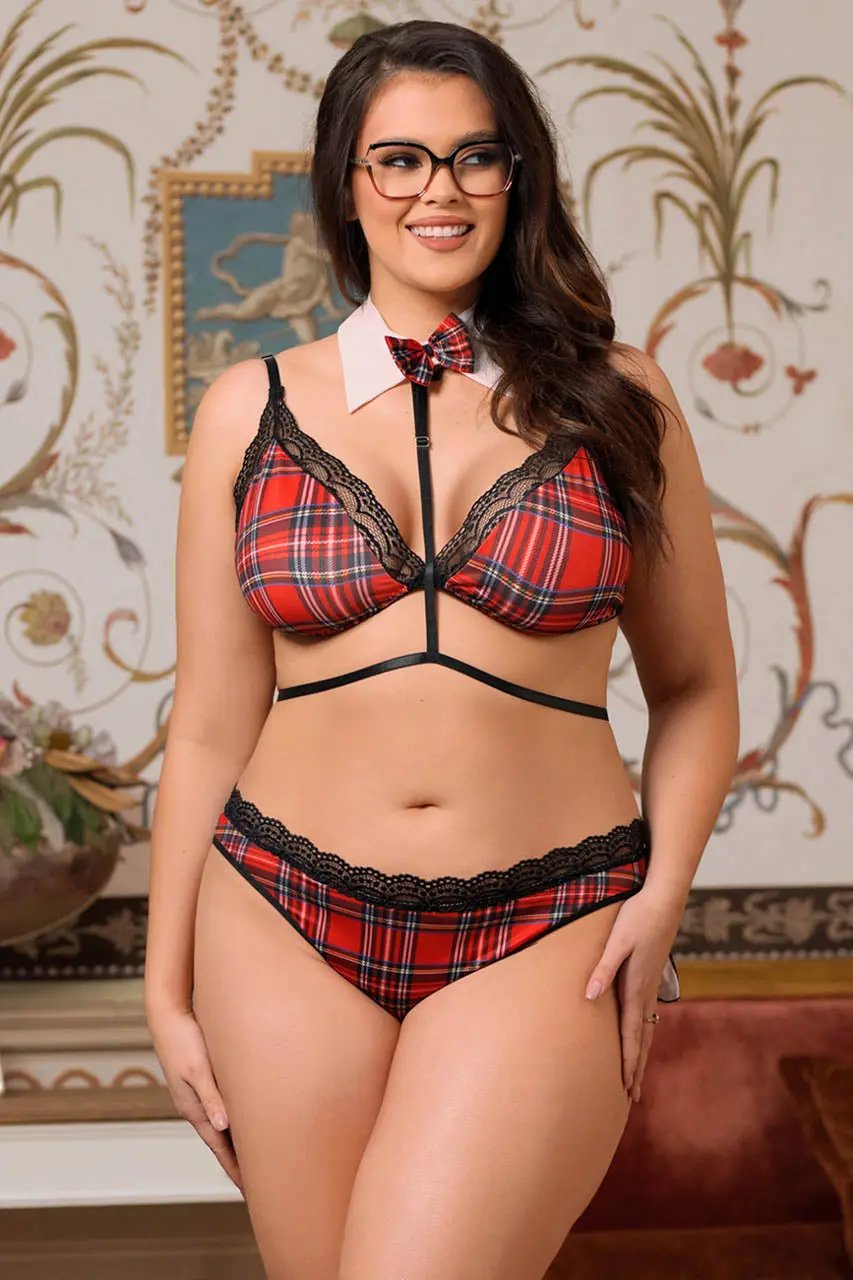
For years, plus-size consumers faced barriers to accessing fashionable clothing that was both inclusive and eco-conscious. However, the current landscape demonstrates a shift towards more diverse and sustainable offerings. This evolution impacts the fashion industry in several meaningful ways:
1. Expanding Design Possibilities
Eco-friendly fabrics often possess unique qualities—such as stretch, breathability, and softness—that enable designers to create flattering plus-size silhouettes that were previously difficult to achieve with traditional materials.
2. Increasing Accessibility
By utilizing scalable, sustainable production methods, brands are reducing costs and making plus-size eco-fashion more accessible to a broader audience.
3. Promoting Ethical Manufacturing
Sustainable textiles are frequently produced under fair labor conditions, ensuring that industry growth benefits workers and communities involved in fiber production.
Innovative Eco-Friendly Materials Shaping Plus-Size Fashion in 2025
Several groundbreaking textiles are at the forefront of this movement, each contributing unique benefits that cater to plus-size design and sustainable practices:
- Tencel (Lyocell): Derived from eucalyptus trees harvested sustainably, Tencel boasts a soft, silky feel and is biodegradable, making it ideal for breathable plus-size apparel.
- Recycled Polyester: Reclaimed from plastic waste, this fiber reduces landfill accumulation and lowers carbon emissions compared to virgin polyester, used in everything from activewear to casual wear.
- Hemp: Known for its strength and durability, hemp is a fast-growing crop that requires minimal water and no pesticides, producing lightweight yet resilient fabrics perfect for inclusive fashion lines.
- Bamboo: Naturally antibacterial and soft, bamboo fibers are becoming popular in sustainable clothing, offering comfort and eco-conscious appeal.
- Bio-based and Regenerative Fibers: Emerging in labs worldwide, these fibers are engineered to mimic traditional textiles with a reduced environmental footprint, opening new design possibilities for inclusive fashion.
Fashion Brands Leading the Sustainable and Inclusive Movement
Transformation in fashion is driven by brands committed to integrating sustainability with inclusivity. Some of the trailblazers include:
- Inclusive Eco Styles: Specializing exclusively in plus-size sustainable collections, this brand uses only eco-conscious fabrics to ensure environmental responsibility and body positivity.
- GreenCurve Fashion: Known for innovative fabric blends, GreenCurve offers a versatile range of eco-friendly plus-size garments designed with both style and comfort in mind.
- EcoMosaic: Emphasizing transparency, EcoMosaic sources sustainable textiles from local producers, fostering community growth and reducing transportation emissions.
- PlanetPlus: Combining fashion-forward designs with recycled fabrics, PlanetPlus aims to democratize sustainability in plus-size fashion.
Challenges Facing the Industry
Despite remarkable progress, the integration of sustainability and inclusivity faces several hurdles:
- Sourcing and Scalability: Procuring high-quality, certified eco-friendly textiles at scale can be difficult and costly.
- Cost Barrier: Sustainable fabrics often carry higher price points, which can limit access for some consumers.
- Consumer Education: Educating buyers about the benefits and value of eco-friendly fabrics is essential to foster demand.
- Design Constraints: Some eco-materials have limitations in dyeing or stretchability, requiring innovative design solutions.
The Future Outlook: Trends and Innovations
The future of inclusive fashion is intertwined with ongoing technological advancements and societal shifts toward sustainability. Some key trends to watch in 2025 and beyond include:
- Zero-Waste Design: Using digital patterning and advanced cutting techniques to minimize fabric waste.
- Bioengineered Textiles: Lab-grown materials that mimic or surpass traditional fibers in sustainability and performance.
- Blockchain for Transparency: Tracking supply chains via blockchain to ensure ethical and sustainable sourcing.
- Collaborative Innovation: Partnerships between designers, technologists, and environmental scientists to create breakthrough textiles tailored for plus-size fashion.
Conclusion
The ongoing evolution of inclusive fashion through eco-friendly textiles signifies a profound shift towards a more ethical, sustainable, and diverse industry. Consumers wield significant influence through their choices, supporting brands that prioritize environmental responsibility and body positivity. As technology advances and awareness grows, the lines between sustainability and fashion will continue to blur, driving further innovation and inclusivity.
In 2025, the future of plus-size style is brighter, greener, and more inclusive than ever before. Together, designers, brands, and consumers can create a fashion landscape where ethical principles and love for self-expression coexist harmoniously. Embrace this movement—your wardrobe, the environment, and society will thank you.