















Introduction
In 2026, the fashion industry is experiencing a groundbreaking transformation centered around inclusivity and sustainability. Among the most significant shifts is the evolution of plus-size fashion, driven by innovative, eco-friendly textile technology. This movement not only challenges traditional manufacturing methods but also paves the way for a more diverse, ethical, and environmentally responsible industry. As consumers become increasingly conscious of their purchasing choices, brands are embracing these advancements to meet the demand for stylish, sustainable plus-size clothing that celebrates body positivity and ecological integrity. This article dives deep into how eco-driven textile innovation is reshaping the future of plus-size fashion and the profound impact it has on promoting diversity and sustainable practices across the industry.
The Surge of Eco-Driven Textile Technologies
The early 2020s witnessed a surge in sustainable textile development as a response to the climate crisis and mounting consumer awareness. In 2026, this trend has matured into a sophisticated array of fabrics that significantly reduce environmental impact while offering enhanced performance and aesthetic appeal. Key innovations include:
- Bio-based and plant-derived fabrics: Materials grown from algae, hemp, organic cotton, and other renewable plant sources are replacing synthetic fibers. These textiles boast biodegradability, high durability, and lower water and chemical usage during production.
- Recycled fibers and plastics: Advanced recycling techniques now enable the conversion of post-consumer plastics, fishing nets, and textile waste into high-quality yarns. This closed-loop approach reduces oceanic plastic pollution and landfill waste.
- Natural dyeing and finishing techniques: Digital printing and plant-based dyes minimize toxic chemical use and water consumption, further aligning textile production with ecological standards.
- Smart and functional textiles: Incorporating biodegradable sensors and performance-enhancing features that are environmentally friendly, providing both functionality and sustainability.
Advances in Plus-Size Textile Design
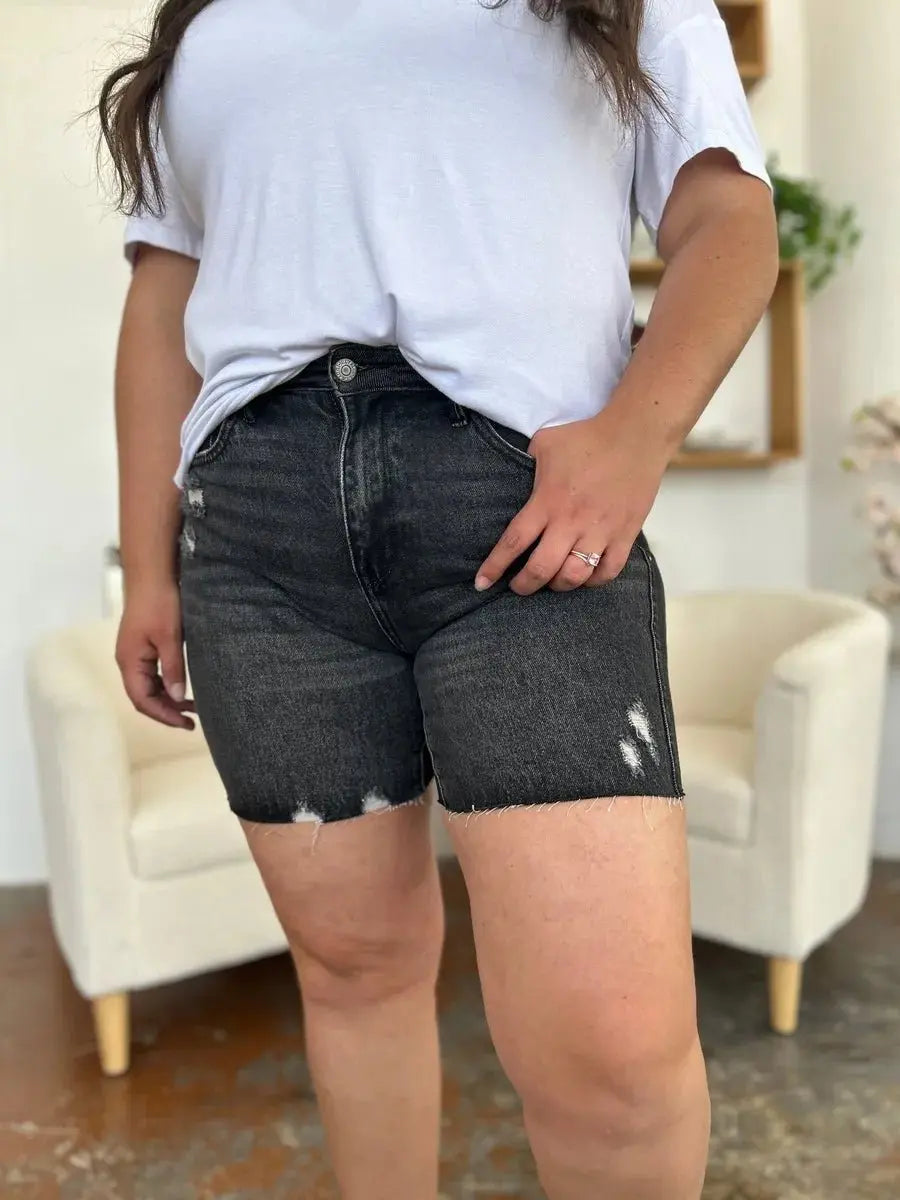
The incorporation of eco-innovative textiles directly benefits plus-size fashion, creating clothing that is not only sustainable but also empowering for diverse body types. These advances are evident in several key areas:
- Superior stretch and flexibility: Eco-fabrics infused with natural elastomers and innovative weaving techniques accommodate a range of sizes comfortably without compromising style.
- Enhanced durability and quality: Recycled and bio-based textiles offer longevity, reducing the need for frequent replacement and decreasing the fashion industry's environmental footprint.
- Improved breathability and comfort: Innovative fabrics provide better moisture-wicking and ventilation properties, essential for larger body types seeking all-day comfort.
- Customized and adaptive fabrics: Materials that change properties based on temperature or body needs, promoting both sustainability and user comfort.
Fostering Diversity and Promoting Inclusion in Fashion
Modern textile innovations are enabling brands to champion inclusivity on multiple fronts. The development of flexible, eco-friendly fabrics supports a broader range of sizes and body shapes, challenging outdated standards of beauty. These strides in textile technology facilitate:
- Extended size ranges: Using stretchable, biodegradable fabrics, brands can expand their size offerings without sacrificing style or sustainability.
- Body-positive designs: Creating apparel that fits and drapes beautifully on diverse body types, encouraging greater self-confidence and acceptance.
- Representation and visibility: Showcasing plus-size models in eco-conscious, fashionable collections to normalize size diversity in marketing and branding.
- Community engagement: Collaborating with diverse designers and influencers to promote inclusive fashion narratives rooted in sustainability.
Sustainable Production and Circular Economy Models
The combination of innovative textiles with circular manufacturing principles is redefining the supply chain for plus-size fashion. Leading brands are investing in local, eco-friendly production facilities and embracing closed-loop systems where garments are designed with their end-of-life in mind. Key components include:
- Local sourcing: Reducing transportation emissions by sourcing raw materials and manufacturing locally, often using renewable energy sources.
- Clothing recycling programs: Encouraging consumers to return end-of-life garments for recycling or repurposing using eco-friendly processes. li>Modular and upgradable designs: Creating apparel that can be altered, repaired, or customized, extending the lifespan of garments.
- Transparency and eco-labeling: Providing consumers with clear information about sourcing, manufacturing practices, and environmental impacts.
Future Trends Shaping Plus-Size Fashion in 2026 and Beyond
The ongoing technological advancements and shifting societal values suggest that plus-size fashion will continue to evolve along sustainable, inclusive lines. Emerging trends include:
- Smart textiles: Biodegradable sensors integrated into clothing for health, environmental monitoring, and personalized comfort, all produced using eco-friendly techniques.
- Bio-engineered fabrics: Customizable, lab-grown textiles that reduce resource demands and eliminate the need for farming or chemical dyeing processes.
- Decentralized manufacturing: Small-batch, localized production hubs that allow for rapid response to size diversity and reduce carbon footprints.
- Eco-conscious branding and transparency: Increased consumer demand for brands that openly share sustainability metrics and transparent supply chains.
Challenges and Opportunities
While the potential of eco-driven textile innovation is immense, several challenges remain:
- Cost barriers: High initial costs for sustainable materials and advanced manufacturing techniques can limit widespread adoption.
- Scalability: Scaling innovative textiles to meet mass production demands remains a technical hurdle.
- Consumer education: Encouraging consumers to prioritize sustainability alongside style and comfort requires ongoing effort.
- Supply chain adaptation: Existing supply chains need to evolve to incorporate these new materials and processes effectively.
Nevertheless, these challenges present opportunities for innovation, collaboration, and leadership within the industry to foster a more sustainable and inclusive future for plus-size fashion.
Conclusion: A New Era for Plus-Size Fashion in 2026
The integration of eco-driven textile innovation in plus-size fashion signifies a pivotal moment in industry history. It exemplifies how sustainability and diversity can coexist, driving brands to develop apparel that respects both the planet and body positivity. As technology advances and consumer preferences evolve, the plus-size fashion industry in 2026 is poised to become more inclusive, environmentally responsible, and innovative than ever before. This revolution not only benefits individual consumers but also contributes fundamentally to a more ethical and sustainable global fashion ecosystem. The future of fashion is not just about style—it’s about creating positive change through conscientious, innovative practices that celebrate diversity at every size point.