



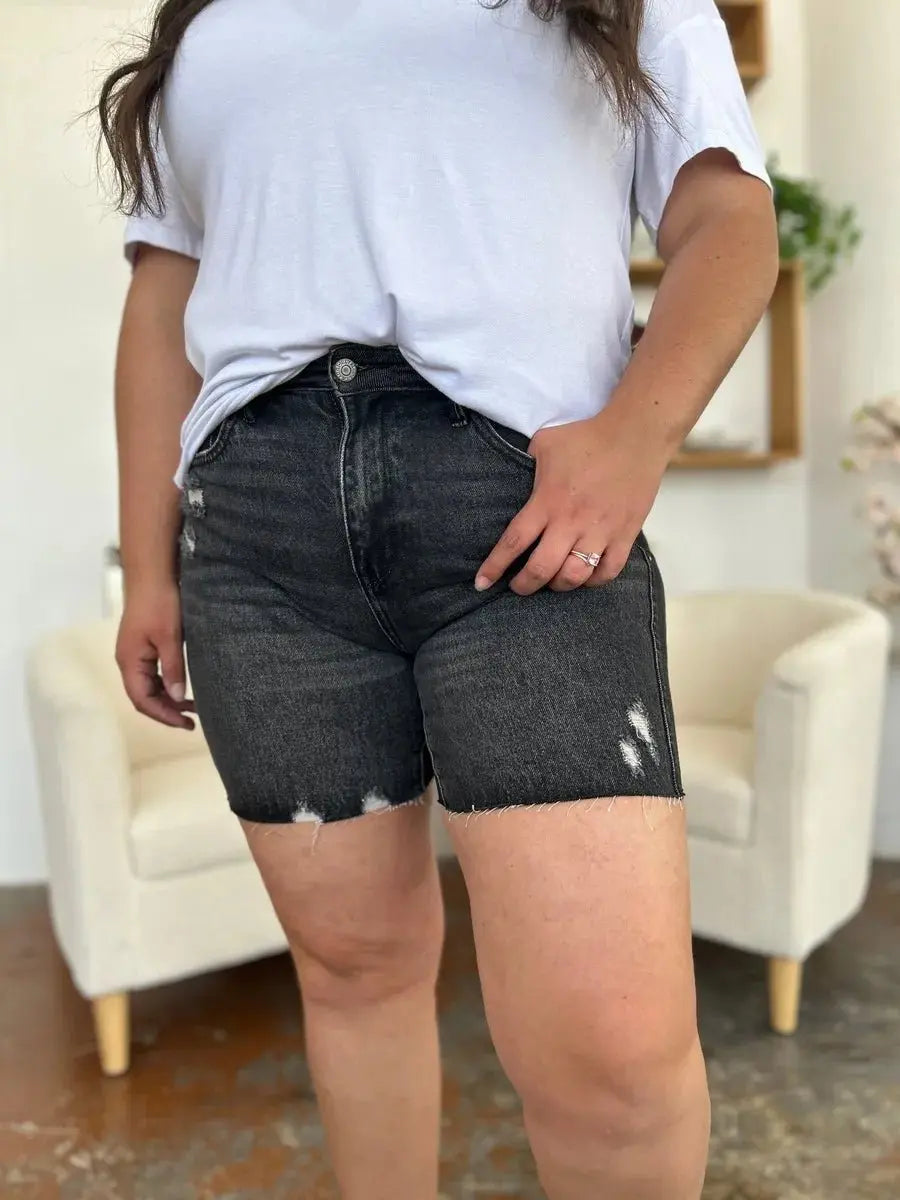





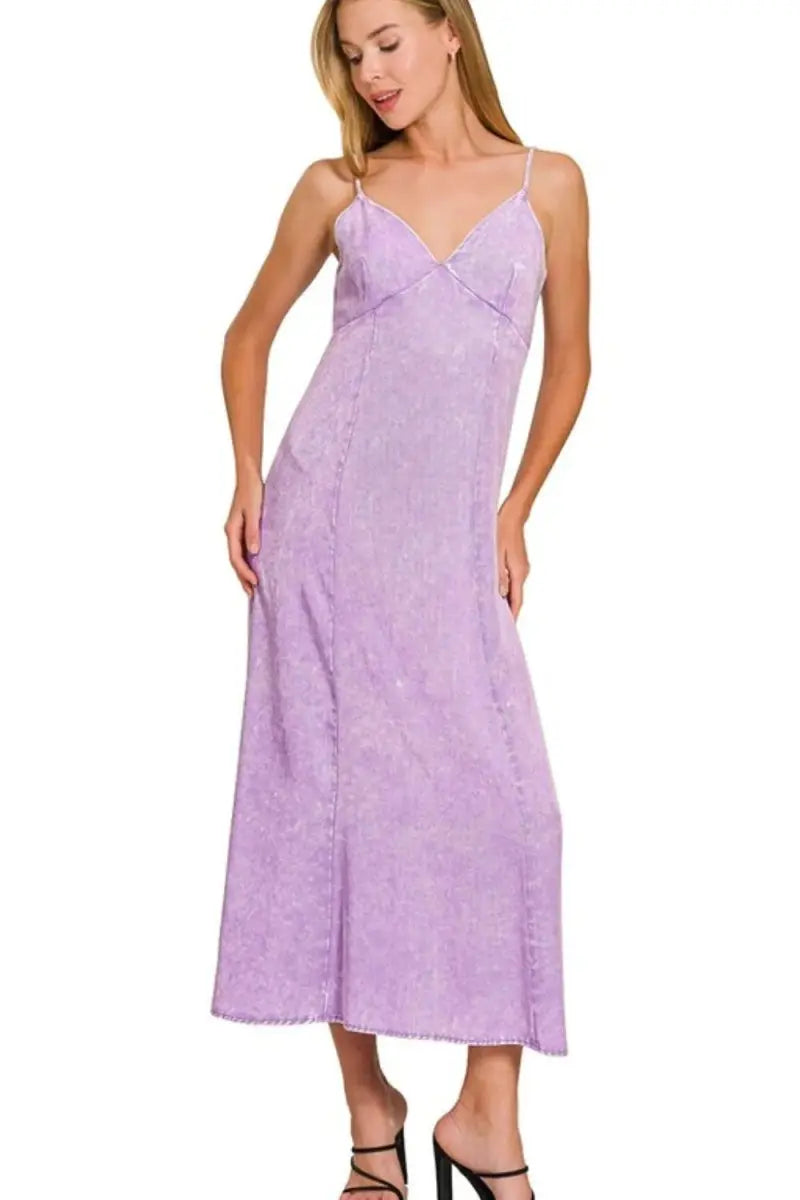


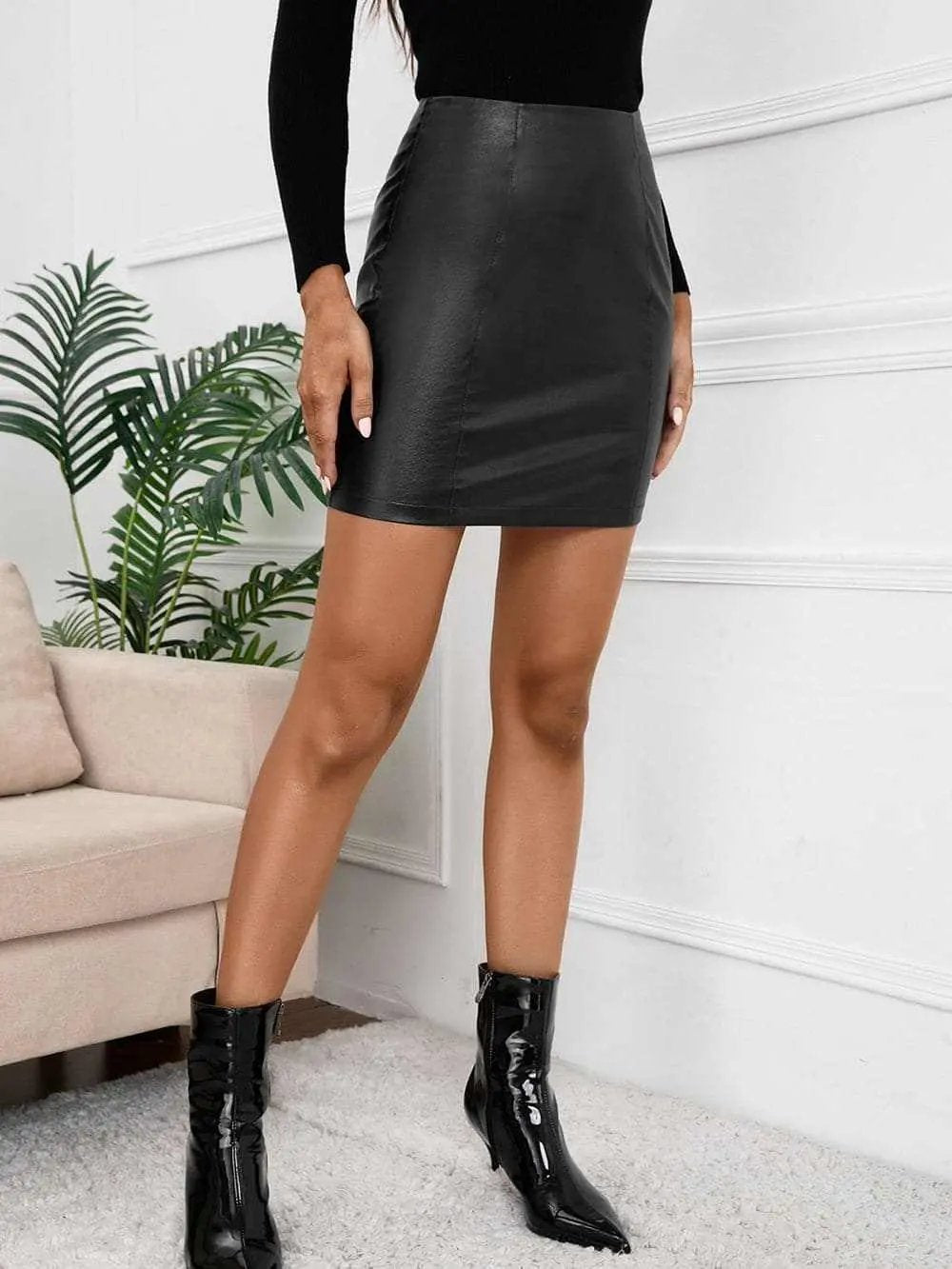


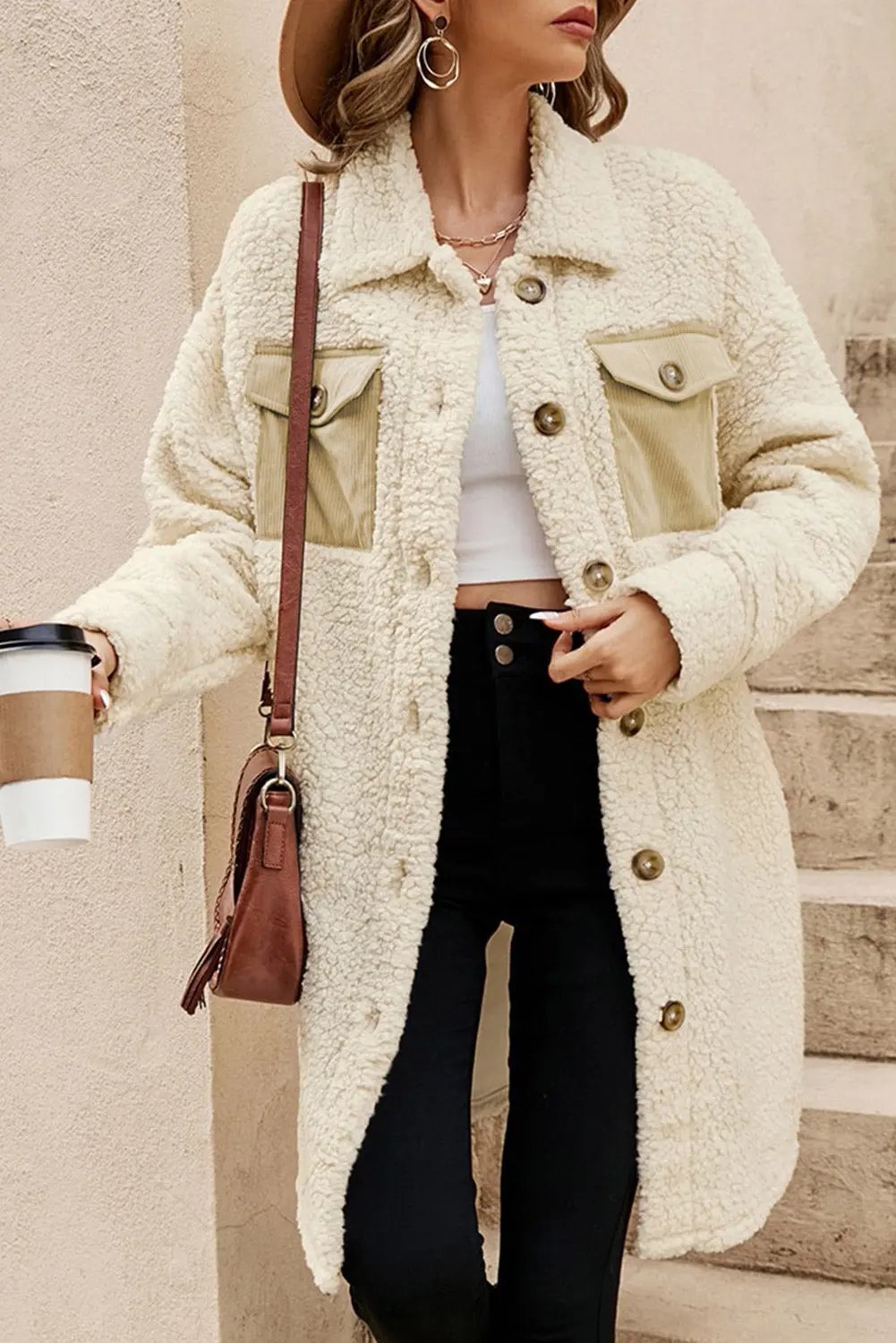

Introduction
In the dynamic landscape of 2026, the fashion industry stands at a crossroads where sustainability and inclusivity are no longer optional but essential. Among the most influential trends shaping this new era is the integration of sustainable eco-textiles into plus-size fashion. This transformation is more than just a design choice; it represents a profound shift toward ethical production, environmental responsibility, and societal acceptance. This article explores the multifaceted impact of eco-textiles on plus-size fashion, highlighting how this intersection is revolutionizing perceptions of beauty, promoting diversity, and driving industry innovation.
The Evolution of Eco-Textiles in Fashion
Eco-textiles, or sustainable fabrics, have experienced exponential growth over the past decade. They embody a commitment to reducing ecological footprints through the use of renewable, biodegradable, and recycled materials. Innovations in textile science have expanded options, making eco-textiles more versatile and affordable than ever before. Common types of eco-textiles include:
- Organic Cotton
- Hemp and Jute
- Tencel and Modal (made from sustainably farmed wood pulp)
- Recycled Polyester and Nylon
- Piñatex (made from pineapple leaf fibers)
The shift toward eco-textiles is driven not only by environmental concerns but also by consumer demand for transparency and sustainability in fashion supply chains. Brands that embrace these fabrics demonstrate social responsibility and innovate beyond traditional manufacturing methods.
The Historical Context of Plus-Size Fashion and Its Challenges
For decades, plus-size fashion has battled societal stigmas, limited options, and a lack of representation. The industry has often marginalized larger bodies, equating beauty with narrow standards that exclude diversity. Plus-size consumers frequently faced:
- Limited availability of stylish, high-quality clothing
- High prices due to niche markets
- Lack of representation in campaigns and runway shows
Traditional manufacturing practices further compounded these issues, with mass production often neglecting sustainability and ethical labor considerations. The emergence of eco-textiles offers a pathway to address both these critical dimensions, fostering a more inclusive and responsible industry.
Role of Sustainable Eco-Textiles in Fostering Diversity and Inclusion
By 2026, eco-textiles are undeniably transforming plus-size fashion in several impactful ways:
1. Expanding Size Inclusivity through Sustainable Production
Manufacturers are now producing inclusive sizing lines using eco-textiles, ensuring that style and sustainability go hand-in-hand. This development allows for:
- More eco-conscious plus-size collections
- Better fitting garments that promote body positivity
- Reduced waste through durable fabrics capable of withstanding frequent use
2. Celebrating Cultural and Body Diversity
Designers leverage sustainable fabrics to create diverse collections that reflect different cultures, styles, and body types. This cultural inclusivity is supported by:
- Collaborations with marginalized communities to incorporate traditional patterns using eco-friendly dyes
- Creating versatile pieces that cater to various cultural expressions
- Promoting stories of authenticity and representation in marketing campaigns
3. Ethical Manufacturing and Fair Labor Practices
Eco-textile production often involves transparent supply chains, emphasizing fair wages and safe working conditions. This ethical dimension fosters social equity and amplifies the message that fashion can be both beautiful and just.
The Societal and Environmental Benefits
The convergence of sustainability and inclusivity in plus-size fashion yields profound benefits for society and the planet:
Empowerment and Self-Expression
- Plus-size consumers experience increased confidence when finding fashionable, eco-friendly clothing options that authentically represent their identity.
- Fashion becomes a medium for storytelling, promoting diversity and normalizing various body types and cultural backgrounds.
Environmental Impact
- Reduced reliance on synthetic, polluting textiles minimizes environmental damage.
- Use of biodegradable fabrics decreases landfill waste.
- Manufacturing processes often adopt energy-efficient methods, lowering carbon emissions.
Market Growth and Industry Innovation
- Sustainable plus-size lines are experiencing rapid growth, encouraging mainstream brands to prioritize inclusivity and eco-consciousness.
- Emergence of new startups and designers specializing in eco-friendly plus-size collections fuels competition and innovation.
- Consumers increasingly seek brands that align with their values, influencing market trends.
Technological Advances and Industry Challenges
Despite these positive developments, challenges persist that require ongoing innovation and commitment:
- Higher costs associated with eco-friendly materials remain a barrier, especially for larger production runs.
- Limited awareness about eco-textiles among consumers necessitates ongoing education and transparency.
- Supply chain complexities make it difficult to ensure full transparency and traceability of sustainable practices.
To overcome these hurdles, many brands are investing in research, partnering with eco-textile innovators, and adopting blockchain technology for supply chain transparency.
The Future of Plus-Size Fashion in 2026 and Beyond
Looking ahead, the role of eco-textiles in plus-size fashion is poised to expand further through:
- Advancements in sustainable textile technologies, such as lab-grown fabrics and biodegradable blends
- Greater investment in circular fashion models, encouraging recycling and upcycling
- Enhanced consumer education campaigns promoting sustainability and diversity as intertwined values
- Broader industry collaborations to set sustainability standards and diversify representation
Ultimately, the fusion of sustainability and diversity in plus-size fashion is leading toward a more compassionate, responsible, and inclusive industry—one that celebrates all bodies and protects the planet for future generations.
Conclusion
By 2026, sustainable eco-textiles are transforming plus-size fashion from marginalized niche to mainstream movement rooted in ethics, diversity, and innovation. This revolution empowers consumers to make conscious choices, encourages brands to prioritize inclusivity, and promotes environmental stewardship. As the industry continues to evolve, it is clear that the future of fashion lies in embracing sustainability and embracing every body—paving the way for a more equitable, beautiful, and sustainable world.