











Introduction
As we journey through 2026, the fashion industry stands at a pivotal crossroads where sustainability and inclusivity are no longer optional—they are essential. A remarkable transformation driven by next-generation eco-textiles is redefining what it means to be fashionable, particularly within the realm of plus-size fashion. These innovative fabrics are breaking down barriers, promoting diversity, and reducing environmental impact. This comprehensive analysis delves into how these new textiles are shaping a more inclusive and sustainable future for fashion—one that celebrates all body types while respecting our planet.
The Evolution of Eco-Textiles in Fashion
Eco-textiles have been steadily gaining popularity over the past decade, but in 2026, technological advancements have propelled them into the mainstream. These textiles are produced through environmentally conscious processes, utilizing sustainable materials, ethical manufacturing standards, and innovative technology. They are designed not just for aesthetic appeal but also for durability, comfort, and environmental resilience. The convergence of fashion, science, and sustainability is leading to a new era where eco-conscious fabrics play a pivotal role in shaping the industry’s future.
Technological Breakthroughs in Eco-Textile Development
Recent innovations have revolutionized the way textiles are produced, making eco-versions more versatile, affordable, and appealing:
- Lab-Grown and Bio-Engineered Fabrics: These fabrics are created using biotechnological methods that reduce water, chemical, and energy use. They include lab-grown silk, bioengineered wool, and other synthetic-natural hybrids that mimic traditional materials while being more sustainable.
- Recycled and Upcycled Fibers: Circular fashion has gained momentum, with fabrics made from recycled plastic bottles, discarded fishing nets, and textile waste. These materials significantly reduce landfill waste and ocean pollution.
- Organic and Regenerative Materials: Growing methods for organic hemp, bamboo, and organic cotton avoid pesticides and chemicals, while regenerative agriculture practices restore soil health and promote biodiversity.
- Algae and Marine-Based Textiles: Innovations include textiles derived from algae, seaweed, and other marine plants which are fast-growing, require minimal resources, and actively contribute to marine ecosystem health.
The Nexus Between Eco-Textiles and Plus-Size Fashion
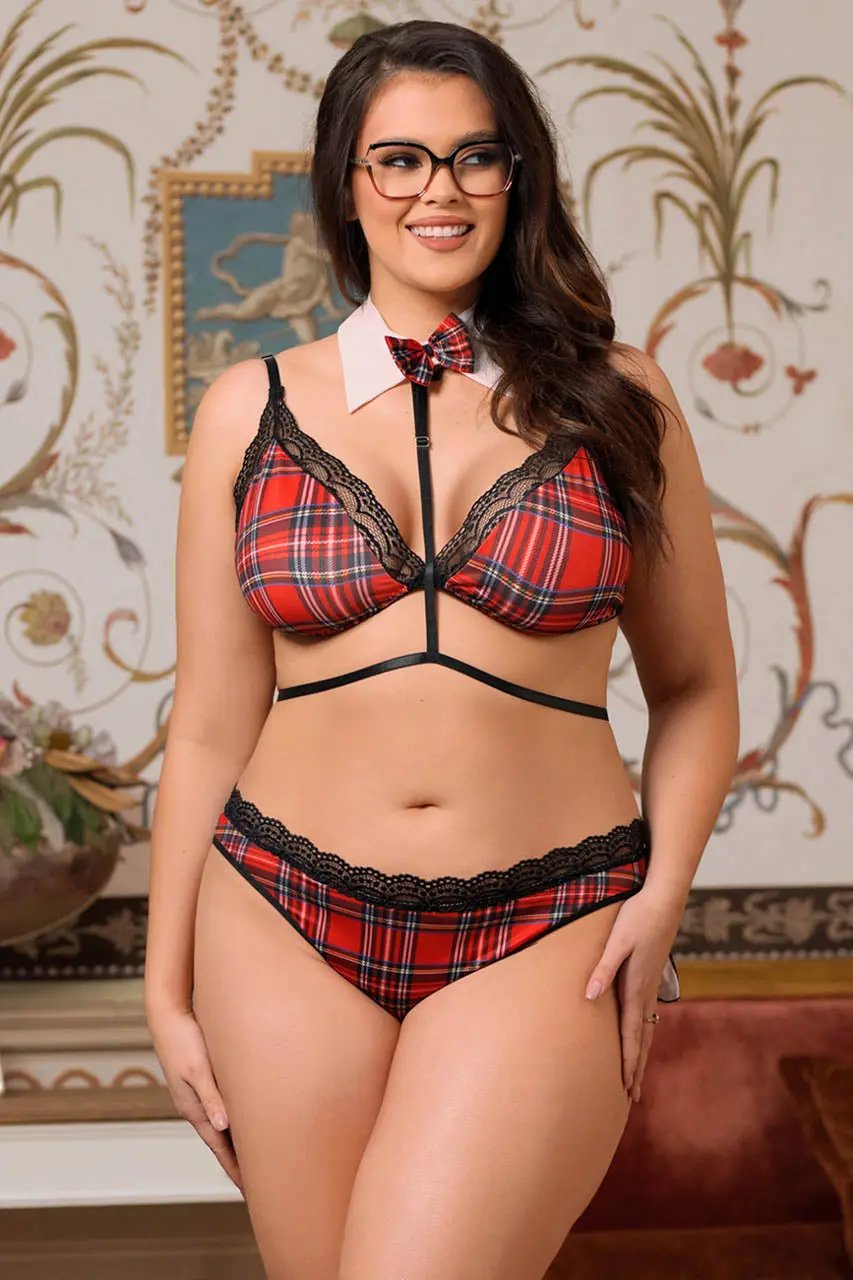
The integration of these next-gen fabrics into plus-size fashion has profound implications, breaking stereotypes and fostering inclusivity. Here's how:
- Enhanced Comfort and Durability: High-quality eco-textiles offer better comfort, stretch, and durability—critical features for plus-size clothing that needs to accommodate diverse body shapes and activity levels.
- Design Freedom and Innovation: New fabrics allow designers to craft bold, stylish, and flattering apparel that celebrates body positivity. They enable experimentation with textures, silhouettes, and innovative details.
- Sustainable Fashion Choices for Consumers: Consumers seeking plus-size options can now choose products made from environmentally friendly fabrics, aligning fashion choices with green values.
- Supporting Ethical Practices: Eco-textiles often come from transparent supply chains, supporting fair labor practices and reducing exploitation in the fashion industry.
Impact on Diversity and Representation
Inclusion in fashion extends beyond size to encompass diversity in ethnicity, gender, and body representation. Eco-textiles facilitate this shift through:
- Size-Inclusive Collections: Brands now develop extensive size ranges using eco-fabrics, removing barriers to access and representation.
- Collaborative Designs: Partnerships between eco-textile innovators and diverse designers create collections that authentically reflect varied cultures, identities, and styles.
- Reducing Fast Fashion Waste: Sustainable fabrics encourage slow fashion practices, allowing for quality, timeless pieces that transcend trends and support body positivity.
Major Brands Leading the Charge
Several global brands are pioneering this green and inclusive movement in 2026:
- Eco-Fashion Giants: Major brands are investing in eco-textile R&D, launching plus-size lines composed entirely of sustainable fabrics.
- Startups and Niche Labels: Smaller brands leverage innovative eco-materials to create distinct, inclusive, and environmentally responsible collections.
- Collaborative Projects: Partnerships between eco-fabric producers and designers focus on developing plus-size collections that prioritize both style and sustainability.
Consumer Trends and Market Dynamics
The market's appetite for sustainable and inclusive fashion is growing exponentially. Key trends include:
- Green Consumerism: Consumers are actively seeking brands that demonstrate environmental responsibility and inclusivity, influencing purchasing decisions.
- Transparency and Storytelling: Brands sharing stories about sustainable sourcing and eco-friendly practices build trust and loyalty.
- Flexibility and Versatility: Eco-textiles enable the creation of versatile plus-size clothing suitable for various occasions, promoting longevity and reducing waste.
- Economic Incentives: As eco-textile production becomes more cost-effective, brands are able to offer affordable options, expanding access to sustainable plus-size fashion.
The Road Ahead: Future of Eco-Textiles in Plus-Size Fashion
Looking forward, technological innovations will continue to drive growth in sustainable fabrics, including:
- Fully Biodegradable Textiles: Fabrics designed to decompose naturally at end-of-life, reducing long-term environmental impact.
- Recycling and Circular Systems: Closed-loop production cycles where textiles are constantly recycled and repurposed.
- Smart Fabrics: Integration of technology for enhanced comfort, adaptability, and functionality, such as temperature regulation or moisture-wicking properties, designed with sustainability in mind.
- Artificial Intelligence and Material Innovation: Using AI to design new eco-friendly fabrics and optimize manufacturing processes for minimal waste.
Conclusion
By 2026, the synergy between innovation in eco-textiles and plus-size fashion is creating a paradigm shift—one that champions diversity, environmental sustainability, and ethical responsibility. These fabrics are empowering designers to craft inclusive, stylish, and sustainable collections that cater to all body types and uphold the health of our planet. Consumers play a crucial role in supporting this movement by prioritizing eco-friendly and inclusive brands. As technology and awareness grow, the future of fashion looks more vibrant, resilient, and equitable—enabling everyone to express their individuality sustainably and confidently.