












Introduction
In the rapidly evolving landscape of 2026, the fashion industry is experiencing a profound transformation driven by a growing commitment to sustainability and inclusivity. Eco-textiles, which encompass innovative fabrics created with a minimal environmental footprint, are now spearheading this change. Particularly in plus-size fashion, these innovations are redefining standards, expanding possibilities, and fostering a more inclusive and environmentally responsible industry. This comprehensive exploration delves into the latest developments in sustainable textiles, their influence on plus-size fashion, and the broader implications for society, the environment, and industry practices.
The Growing Significance of Eco-Textiles in Modern Fashion
Eco-textiles, once considered niche or specialty fabrics, have become mainstream due to advances in material science and a global shift towards sustainability. Consumers today are more conscious of their environmental impact and are demanding accountability from brands. As a result, the development and adoption of eco-friendly fabrics are accelerating, resulting in numerous sustainable innovations, ranging from recycled fibers to innovative plant-based dyes.
This shift impacts not only production processes but also the aesthetic possibilities for designers, allowing them to craft collections that are both stylish and environmentally conscious. The focus is on creating durable, comfortable, and versatile garments that meet the demands of diverse consumers, including those who wear plus-size clothing. Eco-textiles are proving to be a crucial component in achieving this sustainable and inclusive vision.
Breakthrough Sustainable Innovations in 2026
By 2026, the textile industry has seen remarkable technological advancements that have revolutionized sustainable fabric production. Some of these innovations include:
- Recycled and Upcycled Fabrics: The transformation of ocean plastics, discarded fishing nets, and post-consumer textiles into high-quality, durable fabrics is now commonplace. Brands leverage this technology to produce eco-versions of popular clothing styles, ensuring that sustainability doesn't compromise style or durability.
- Biodegradable and Compostable Materials: New fibers made from natural sources, such as mycelium, cork, and hemp, are designed to decompose fully after use. These materials are especially important for reducing landfill waste and creating a closed-loop cycle in fashion production.
- Natural and Plant-Based Dyes: Traditional synthetic dyes are replaced with eco-friendly alternatives derived from plants, minerals, and even bacteria. These dyes eliminate the use of toxic chemicals, reducing water pollution and making textile processing safer for workers and consumers alike.
- Advanced Manufacturing Technologies: Techniques such as 3D knitting, digital printing, and laser cutting have minimized fabric waste during production. This is particularly impactful in plus-size fashion, where fabric efficiency is essential to avoid excess material and waste.
- Bioengineering and Smart Fibers: Ongoing research into bioengineered fibers aims to create textiles that are not only sustainable but also functional—such as moisture-wicking, temperature regulation, or antimicrobial properties—enhancing comfort and longevity for plus-size wearers.
How Eco-Textiles Are Reinventing Plus-Size Fashion
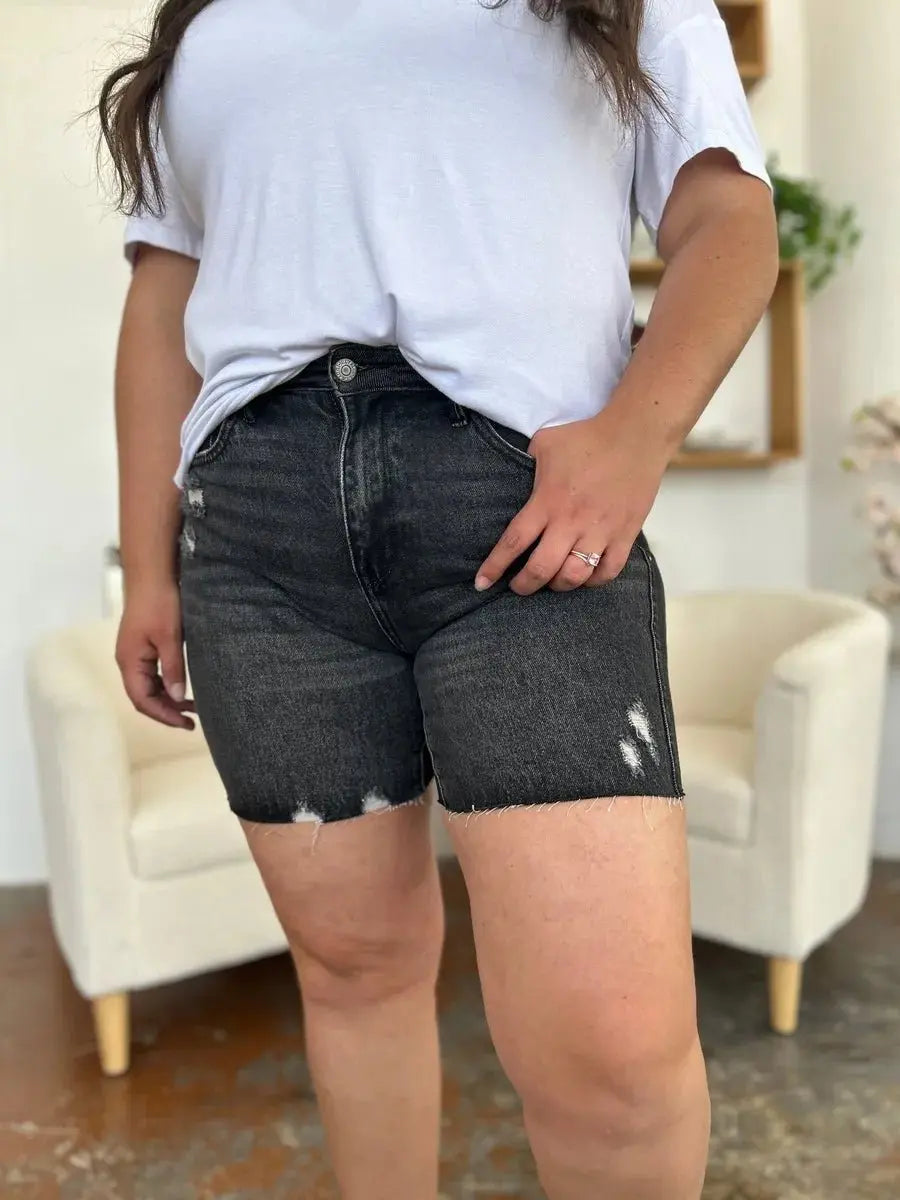
Plus-size fashion has traditionally faced challenges related to limited options, material availability, and societal stereotypes. The emergence of eco-textiles offers a unique opportunity to address these issues by fostering greater inclusivity and diversity. Here's how:
- Expanding Sizing Range with Sustainable Approaches: Brands are developing inclusive sizing lines with fabrics that are stretchable, durable, and comfortable—qualities enhanced by eco-friendly fibers. Natural elastic fibers like Tencel or modal, combined with recycled spandex, enable designers to create versatile and comfortable plus-size garments.
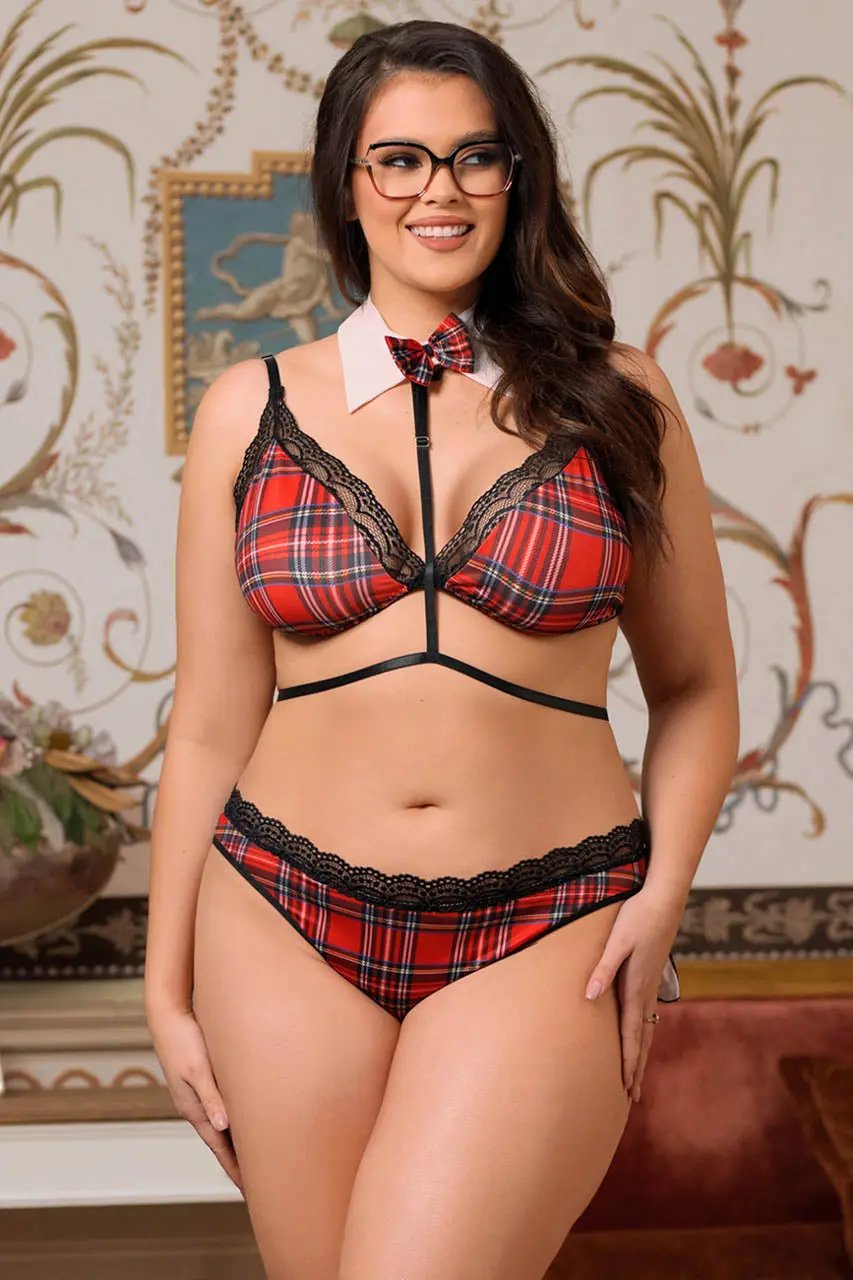
- Diverse Representation and Campaigns: Eco-conscious brands actively featuring plus-size models in their marketing campaigns challenge conventional beauty standards. These representations are creating broader acceptance and empowering consumers of all sizes.
- Inclusive Design Philosophy: Designers are now more aware of the importance of designing garments that fit, flatter, and celebrate diverse body types. Utilizing sustainable fabrics allows for innovative cuts and styles that provide comfort and confidence.
- Community-Driven Sustainability Initiatives: Collaboration with plus-size influencers and community groups helps ensure that eco-friendly practices align with diverse needs and preferences, fostering authenticity and trust.
The Societal and Environmental Impact
The integration of eco-textiles into plus-size fashion has profound implications, both environmentally and socially:
- Environmental Benefits: Reduced reliance on virgin materials decreases deforestation, water consumption, and pollution. The shift to biodegradable and recycled fabrics reduces textile waste and supports a circular economy.
- Empowering Diversity: Inclusive sizing and representation challenge harmful stereotypes, promoting body positivity and mental health. These shifts encourage societal acceptance of diverse identities and foster a culture that values all body types.
- Economic Opportunities: Eco-fashion markets are expanding, creating opportunities for entrepreneurs, designers, and manufacturers committed to sustainable and inclusive practices.
- Policy and Regulation Evolution: Governments and industry watchdogs increasingly promote sustainable standards, influencing practices across the entire supply chain and encouraging brands to be more transparent and responsible.
The Future Trajectory of Eco-Textiles and Plus-Size Fashion
Looking ahead, the synergy between sustainability and inclusivity will only strengthen. Several emerging trends and innovations suggest a promising future:
- Smart and Responsive Textiles: Fabrics that adapt to environmental conditions and wearer needs will enhance comfort for plus-size consumers, offering features like temperature regulation or self-cleaning capabilities.
- Zero Waste Supply Chains: Fully cyclic systems utilizing biodegradable or recycled textiles that can be broken down and remade into new garments, aligning with circular economy principles.
- Global Collaboration and Standards: International initiatives to develop sustainable and inclusive fashion standards will promote consistency, transparency, and innovation on a worldwide scale.
- Consumer-Driven Demands: As awareness grows, consumers will increasingly prioritize brands that demonstrate authentic commitments to eco-friendly and inclusive practices—driving further innovations in material science and design.
Conclusion
In 2026, the evolution of eco-textiles is reshaping the landscape of plus-size fashion, creating a space where sustainability and body positivity coexist. Through technological advancements, innovative materials, and a commitment to inclusivity, the industry is moving towards a future where fashion is not only environmentally responsible but also celebrates diversity in all its forms. As brands, designers, and consumers embrace these changes, they are collectively forging a more equitable, sustainable, and beautiful future—proof that fashion can be a force for good, positively impacting both people and the planet.