














Introduction
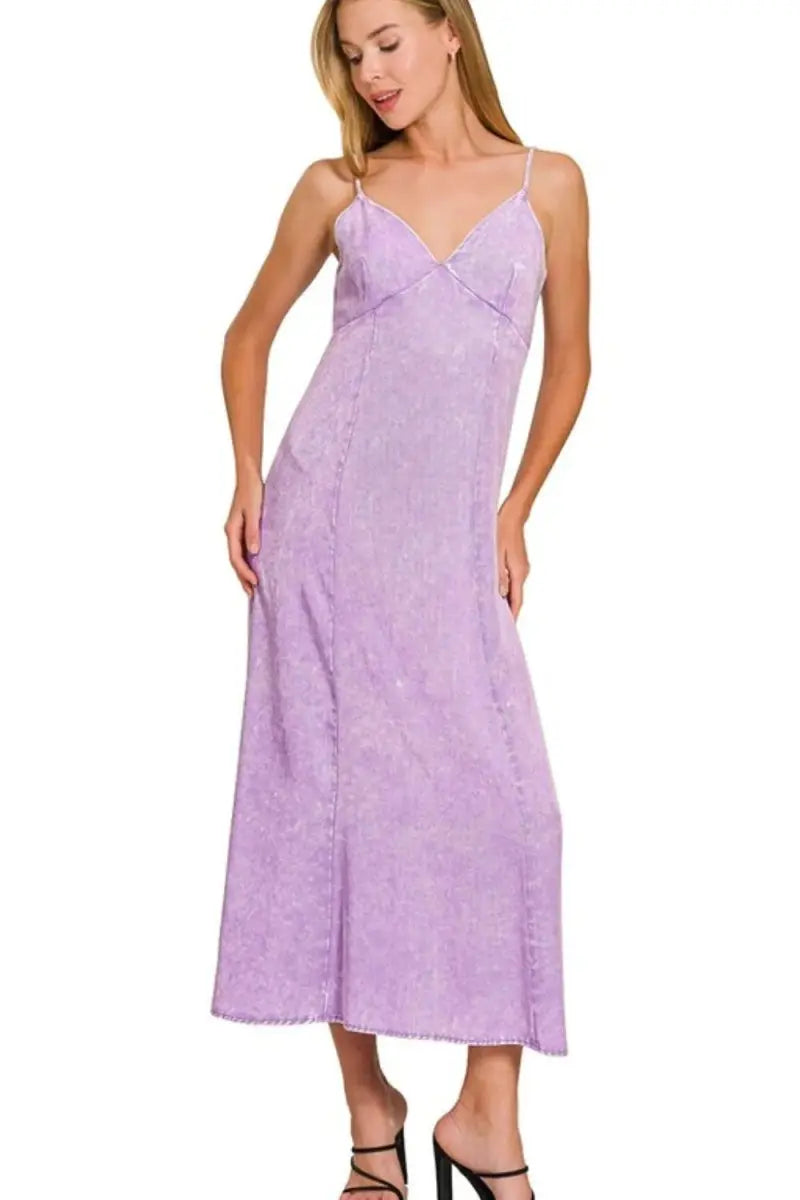
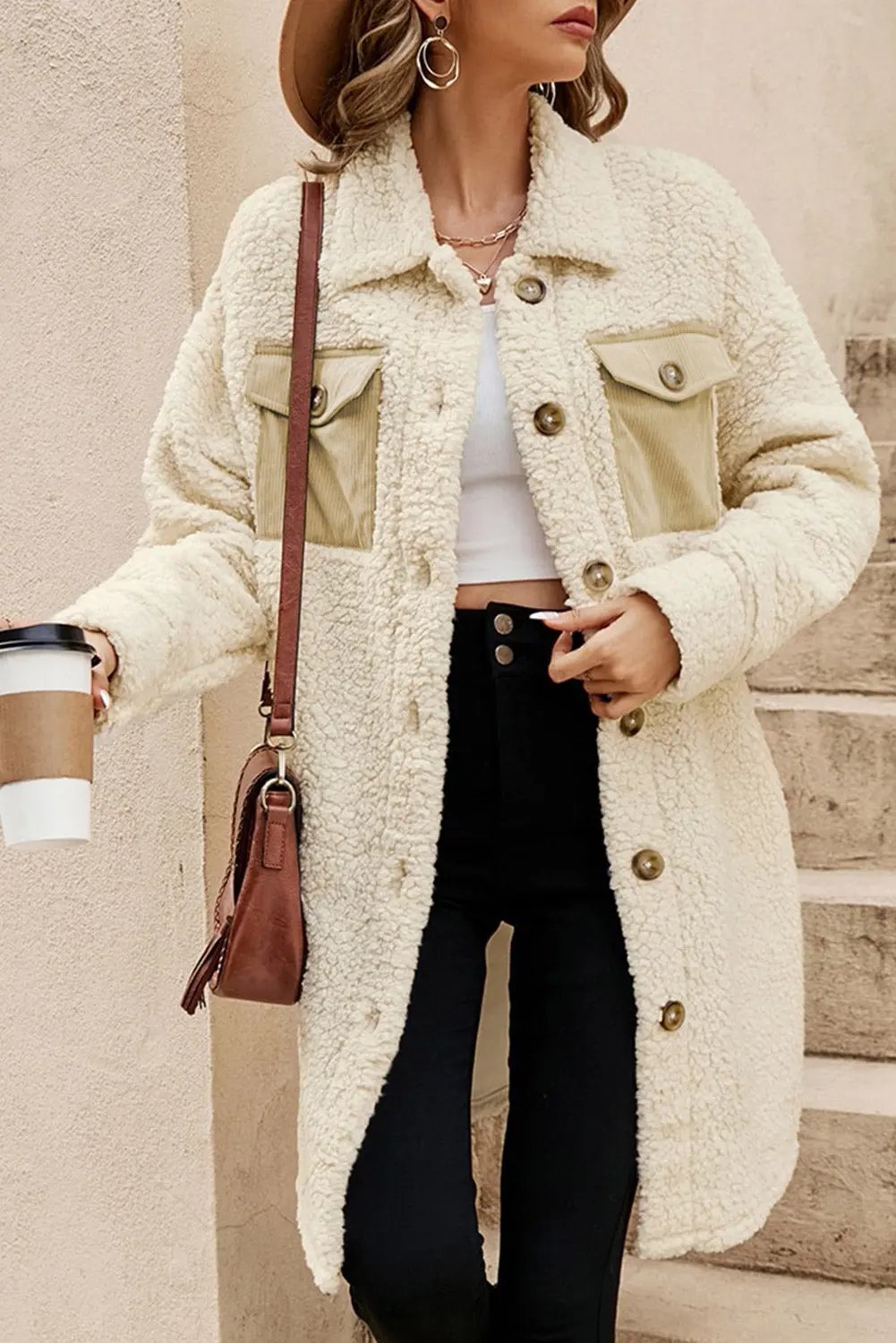
In the ever-evolving landscape of fashion, two trends have gained significant momentum and are now fundamentally transforming the industry: sustainability and inclusivity. Specifically, in the realm of plus-size fashion, eco-friendly textiles have emerged as a critical catalyst for change. As of 2026, we observe a powerful convergence where environmentally conscious fabrics are not only reducing the ecological footprint of clothing but also promoting a broader spectrum of body diversity. This comprehensive shift toward eco-aware and inclusive fashion is reshaping how brands create, market, and perceive plus-size apparel.
The Growing Importance of Sustainability in Fashion
Sustainable fashion focuses on reducing environmental impact through responsible sourcing, manufacturing, and lifecycle management of garments. The urgency stems from the fashion industry’s significant contribution to pollution, water waste, and carbon emissions. According to recent studies, the industry accounts for approximately 10% of global carbon emissions and is the second-largest consumer of water worldwide. Consumers are increasingly demanding transparency, eco-conscious practices, and ethically produced apparel, prompting brands to adopt more sustainable materials.
Eco-Friendly Textiles: An Overview
Eco-friendly textiles are fabrics produced with minimal adverse environmental impacts. They encompass a broad range of materials, each with unique benefits:
- Organic Cotton: Cultivated without synthetic pesticides or fertilizers, organic cotton reduces soil and water pollution.
- Hemp: A highly sustainable crop requiring little water and pesticides — durable and comfortable for clothing.
- Tencel (Lyocell): Made from sustainably harvested eucalyptus trees, processed in a closed-loop system that recycles chemicals and water.
- Recycled Polyester: Sourced from plastic waste, such as bottles, repurposed into soft, durable fabrics.
- Bio-based Fibers: Innovative materials derived from renewable biological resources, including Piñatex (pineapple leaf Fiber) and mycelium (mushroom-based leather substitutes).
How Eco-Friendly Textiles Promote and Support Diversity
Beyond environmental benefits, eco-textiles serve as a powerful tool in fostering diversity within plus-size fashion. Several key factors contribute to this positive impact:
1. Expanding Material and Design Options
Innovations in sustainable fabrics enable designers to push creative boundaries, producing inclusive styles that cater to a wide range of body types. Flexible, breathable, and resilient textiles allow for garments that accommodate diverse sizes and shapes without sacrificing sustainability or style.
2. Ethical Production and Fair Wages
Many eco-textile brands are committed to fair labor practices, ensuring that workers involved in the manufacturing process are paid fairly and operate in safe conditions. This ethical approach supports social diversity by uplifting marginalized communities.
3. Inclusivity in Size and Style
Eco-conscious brands are increasingly embracing inclusive sizing, providing options from XL to 5X and beyond. Moreover, these brands often emphasize designs that celebrate body positivity, offering fashionable, comfortable, and sustainable clothing for all shapes and sizes.
4. Challenging Industry Norms
Historically, fashion has favored a narrow standard of beauty. The adoption of eco-friendly textiles paired with inclusive sizing is challenging this paradigm, promoting a broader representation of diverse bodies and fostering a culture of acceptance and self-love.
Sustainability Benefits of Eco-Friendly Textiles
The environmental advantages of adopting eco-textiles extend beyond individual garments. They contribute to a larger movement towards sustainable production and consumption patterns, including:
- Reduced Carbon Footprint: Sustainable fabrics generally consume less energy during production, often involving renewable energy sources and efficient processes.
- Conservation of Water and Land: Organic cotton and hemp are cultivated with significantly less water than conventional counterparts, conserving vital resources.
- Minimized Chemical Pollution: Eco-textile processing avoids harmful chemicals and dyes that pollute waterways and threaten ecosystems.
- Encouragement of Circular Economies: Recycled fibers and biodegradable textiles facilitate recycling, upcycling, and Composting, thereby reducing textile waste.
The Intersection of Sustainability and Beauty Standards
As eco-friendly fabrics gain popularity, they challenge traditional beauty standards by emphasizing imperfections, natural textures, and authenticity. This shift helps promote a more inclusive view of beauty — celebrating diverse body sizes, skin tones, and unique features. Plus-size fashion brands utilizing eco textiles often champion messaging that emphasizes sustainability and self-acceptance simultaneously, resonating with a generation seeking authenticity and social responsibility.
Technological Innovations Supporting Eco and Inclusive Fashion
Recent advancements in textile technology are making eco-friendly plus-size fashion increasingly viable:
- Smart Manufacturing: Automation and digital design tools reduce waste and streamline production processes.
- New Fibers and Blends: Development of sustainable blends that enhance flexibility, durability, and comfort, tailored for larger sizes.
- Improved Dyeing Techniques: Waterless and low-impact dyeing methods make vibrant colors more eco-friendly.
- 3D Printing and Customization: Allows for on-demand production, reducing excess inventory and waste.
Case Studies and Leading Brands
Several brands are leading the charge in integrating eco-friendly textiles into their plus-size collections:
- Ecoluxe: Known for using recycled fabrics and promoting body-positive designs.
- GreenCurve: Focuses on organic cotton and hemp garments made for larger sizes with a focus on sustainable ethics.
- Sustainable Chic: Combines biodegradable textiles with inclusive sizing to redefine plus-size fashion standards.
The Role of Consumers and Industry Stakeholders
Consumer awareness and demand are pivotal. Supporting eco-friendly and inclusive brands encourages wider adoption. Industry stakeholders, including designers, manufacturers, and policymakers, must collaborate to foster innovations and establish standards that prioritize environmental sustainability and diversity.
Conclusion
By integrating eco-friendly textiles into plus-size fashion, the industry is witnessing a powerful transformation that promotes environmental sustainability, social diversity, and body positivity. As of 2026, this movement is gaining unstoppable momentum, fostering a future where fashion is inclusive, responsible, and reflective of our collective values. Embracing these fabrics is essential not just for a healthier planet, but also for celebrating and empowering the diverse beauty of all individuals — making fashion truly inclusive and sustainable for generations to come.