












Introduction
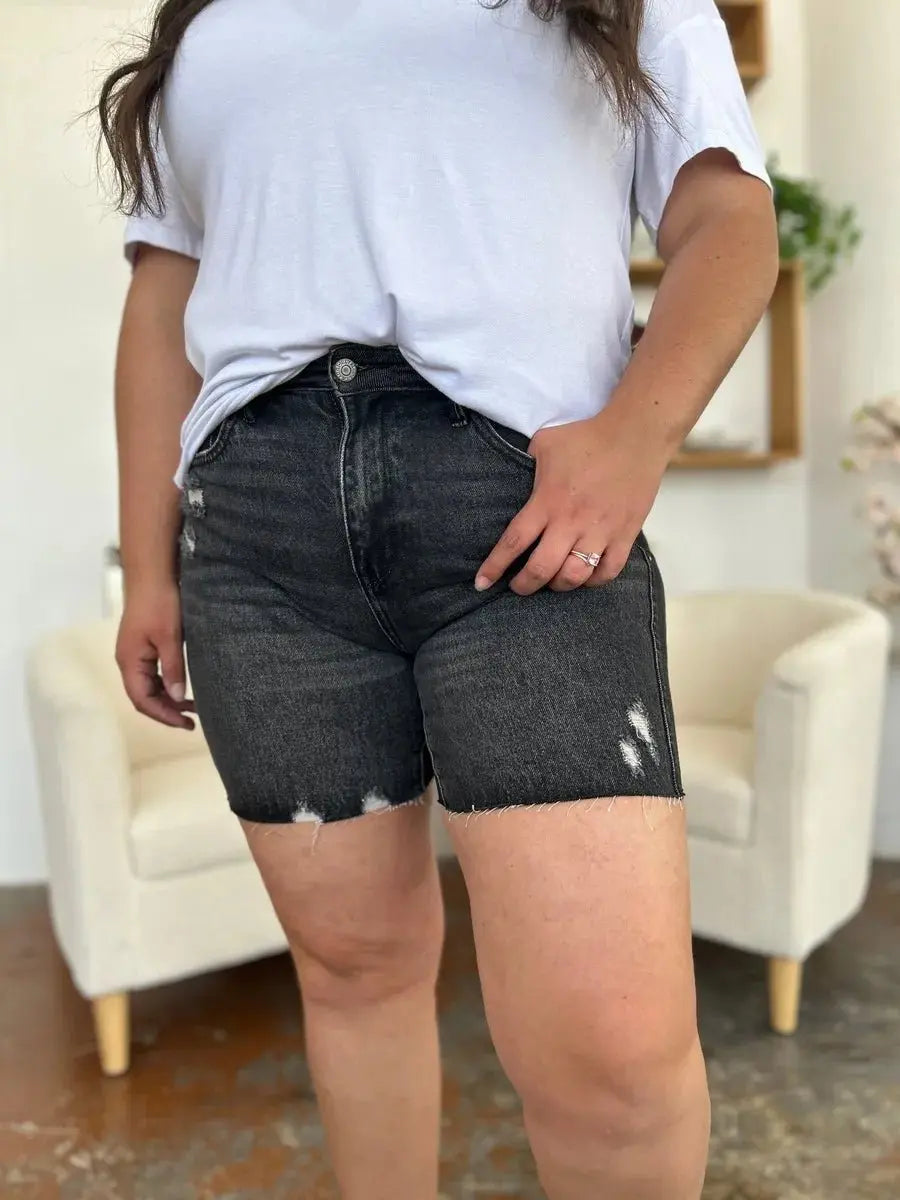
In a rapidly evolving fashion landscape, the push for sustainability and inclusivity has gained unprecedented momentum. The plus-size fashion segment, historically marginalized, is now at the forefront of this transformation. By integrating eco-friendly textiles into plus-size clothing lines, designers and brands are not only making a statement about environmental stewardship but also championing diversity and body positivity. This comprehensive approach addresses contemporary consumer values, combining ethical manufacturing with design that celebrates all shapes and sizes. In this article, we delve into how eco-friendly textiles are revolutionizing plus-size fashion, fostering greater diversity, and paving the way for a sustainable future.
The Significance of Eco-Friendly Textiles in Modern Fashion
Traditional textile manufacturing is one of the most resource-intensive industries, contributing significantly to global water consumption, chemical pollution, and greenhouse gas emissions. In contrast, eco-friendly textiles are produced using sustainable practices that minimize environmental impact. Their significance extends beyond environmental factors, encompassing health benefits and social responsibility.
For consumers, choosing garments made from sustainable fabrics means reducing exposure to harmful chemicals and supporting ethical labor practices. Meanwhile, brands that adopt eco-friendly textiles position themselves as socially conscious leaders capable of influencing industry standards.
Key Benefits of Using Eco-Friendly Textiles in Plus-Size Fashion
- Environmental Conservation: Reduced water usage, decreased chemical runoff, and lower carbon emissions.
- Healthier Products: Fewer toxins in fabrics, making clothing safer for skin and overall wellbeing.
- Ethical Manufacturing: Encourages fair labor practices and supports environmentally conscious supply chains.
- Brand Differentiation: Attracts eco-conscious consumers seeking sustainable and inclusive fashion options.
- Enhanced Durability: Many sustainable textiles are more durable, promoting longer-lasting clothing and less waste.
Popular Eco-Friendly Textiles in Plus-Size Fashion
As the demand for sustainable fabrics grows, several eco-friendly materials are becoming staples in plus-size fashion lines. These fabrics offer versatility, comfort, and environmental benefits:
- Tencel/Lyocell: Made from sustainably sourced eucalyptus trees, Tencel fibers are produced via a closed-loop process that recycles water and chemicals, resulting in biodegradable fabrics that are soft and breathable.
- Organic Cotton: Grown without synthetic pesticides or fertilizers, organic cotton reduces chemical runoff and water usage, creating soft and durable textiles ideal for plus-size clothing.
- Hemp: Known for its rapid growth and minimal resource needs, hemp fabric is strong, antimicrobial, and highly sustainable, suitable for everyday wear and statement pieces alike.
- Bamboo: When sustainably processed, bamboo fabric offers a silky texture, excellent breathability, and biodegradability, making it a popular choice for eco-conscious fashion brands.
- Recycled Polyester: Derived from plastic waste such as PET bottles, recycled polyester helps reduce plastic pollution while offering the same durability and versatility as conventional polyester.
Inclusivity and Diversity in Plus-Size Fashion Design
While sustainable textiles are a key component, genuine diversity requires inclusive design principles. This involves rethinking traditional sizing, silhouette options, and marketing strategies:
- Implementing comprehensive size ranges (from XS to 5X or higher) to ensure all body types are accommodated.
- Designing adjustable, stretchable, or modular garments that can adapt for various shapes and sizes.
- Using diverse models in marketing to reflect real-world body variations and foster a sense of relatability.
- Incorporating cultural, gender, and age diversity into designs to appeal to a broad demographic.
- Fostering community engagement and feedback loops to understand the needs and preferences of plus-size consumers.
Challenges in Merging Eco-Friendly Practices with Plus-Size Fashion
Despite the promising outlook, integrating sustainability into plus-size fashion presents several hurdles:
- Cost Implications: Eco-friendly fabrics often come at a higher price point, impacting retail pricing and accessibility.
- Limited Availability: Sustainable textiles in larger sizes and innovative shapes can be limited or less readily available.
- Design Constraints: Eco-friendly fabrics may have specific properties (e.g., stiffness, shrinkage) that necessitate innovative pattern-making or construction techniques.
- Consumer Education: Convincing consumers to pay a premium for sustainable plus-size clothing requires effective marketing and education about value and impact.
- Supply Chain Complexity: Maintaining transparency and ethical sourcing in larger sizes and diverse designs demands robust supply chain management.
Opportunities for Innovation and Industry Growth
These challenges also open avenues for growth and innovation:
- Development of new, affordable sustainable textiles tailored for plus-size garments.
- Technological advancements in fabric production that reduce costs and improve fabric properties.
- Partnerships between sustainable textile producers and plus-size fashion brands to expand product offerings.
- Consumer education campaigns emphasizing the benefits of eco-friendly plus-size fashion.
- Implementation of circular fashion principles—such as take-back schemes and upcycling—to extend product lifespans.
The Future of Plus-Size Fashion with Eco-Friendly Textiles
The trajectory of fashion in 2026 and beyond suggests an industry increasingly committed to sustainability and diversity. Anticipated trends include:
- Broader availability and innovation in eco-friendly fabrics specifically designed for plus-size garments.
- Greater emphasis on transparent supply chains and certifications verifying sustainability claims.
- Use of digital tools such as 3D virtual fitting and AI-driven design to minimize waste.
- Growing consumer demand for brands that align with values of environmental responsibility and body positivity.
- Collaborations across industries—fashion, technology, activism—to co-create inclusive and sustainable collections.
Conclusion
The integration of eco-friendly textiles into plus-size fashion is not just a trend but an essential movement towards a more inclusive, responsible, and sustainable industry. By leveraging innovative materials and focusing on inclusive design, brands can serve a diverse customer base while reducing their environmental footprint. The future of fashion depends on our collective ability to embrace sustainability and diversity, ensuring that all individuals are represented and protected by responsible, thoughtful apparel choices. The products we wear tell a story—one of respect for the planet and recognition of every body. Together, we can shape a more equitable and environmentally conscious fashion landscape that celebrates all forms of beauty and champions a healthier planet for future generations.