












Introduction
As we progress into 2025, the fashion industry is witnessing a remarkable transformation driven by a deep-seated commitment to sustainability and inclusivity. Central to this movement is the rise of innovative eco-friendly fabrics that are redefining how plus-size fashion is designed, produced, and experienced. These fabrics are not only environmentally conscious but also cater to a more diverse range of body types, promoting a future where fashion is both ethical and inclusive. In this comprehensive guide, we explore the latest developments in sustainable textiles, their integration into plus-size fashion, and the profound impact they are having on the industry’s trajectory.
The Growing Demand for Sustainable and Inclusive Plus-Size Fashion
The global push towards sustainability has intensified scrutiny on the environmental footprints of traditional textile manufacturing, which consumes vast amounts of water, energy, and chemicals. Simultaneously, the movement for body positivity and diversity has gained momentum, demanding that brands create apparel that genuinely fits and celebrates every body shape. These dual forces are converging, compelling designers, manufacturers, and consumers to seek out fabrics that honor both principles.
Consumers, especially in the plus-size segment, are becoming increasingly aware of the ecological and ethical implications of their purchasing choices. They favor brands that prioritize transparency, ethical sourcing, and sustainability, reshaping market dynamics and encouraging innovation in textile production. This synergy of environmental consciousness and inclusivity is fostering a new paradigm in fashion—one that champions diversity through sustainable innovation.
Breakthroughs in Eco-Friendly Fabrics for Plus-Size Fashion
The rising demand has fueled remarkable innovations in textiles, resulting in a broad spectrum of eco-friendly fabrics tailored for plus-size fashion. These fabrics are designed to be not only sustainable but also comfortable, durable, and adaptable to various styles and body shapes. Below are some of the most influential and promising materials leading the way in 2025:
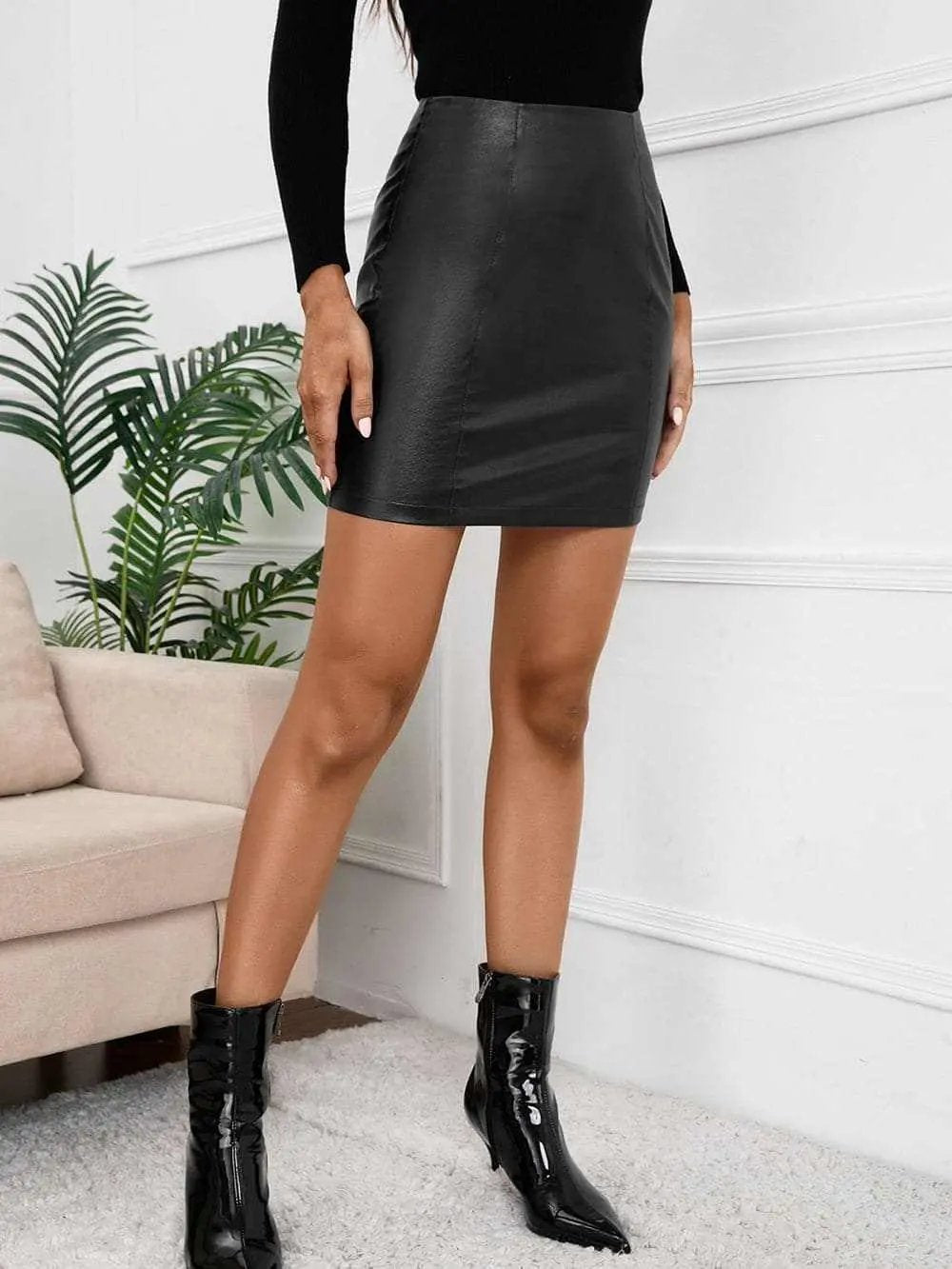
- Piñatex: Derived from pineapple leaf fibers, Piñatex is transforming animal-based leather alternatives. Its textured surface offers a premium look suitable for plus-size outerwear, handbags, and footwear, exemplifying waste valorization and supporting agricultural communities.
- Mycelium Leather: Grown from fungi, mycelium leather is biodegradable and requires significantly less water and energy during production. Its flexibility and toughness make it ideal for plus-size accessories, jackets, and shoes, aligning with cruelty-free and ecological principles.
- Tencel Lyocell: Produced from sustainably harvested eucalyptus trees via a closed-loop process, Tencel Lyocell is renowned for its softness, breathability, and moisture-wicking properties. It is highly adaptable for plus-size garments needing comfort and stretch, such as dresses, activewear, and loungewear.
- Cork Fabric: Entirely renewable and biodegradable, cork fabric offers a lightweight, waterproof material perfect for plus-size bags, wallets, and accessories. Its natural texture adds a unique aesthetic appeal while ensuring eco-responsibility.
- Recycled PET Fabrics: Made from post-consumer plastic bottles, these fabrics are versatile enough for creating resilient, colorful plus-size garments like leggings, shirts, and outerwear. Their durability and eco-friendly origin appeal to environmentally conscious consumers.
- Bamboo Fabric: Bamboo is a fast-growing, renewable resource that requires minimal water and pesticides. Its fabric is soft, antibacterial, and flexible, making it suitable for plus-size particularly stretchy and comfortable clothing.
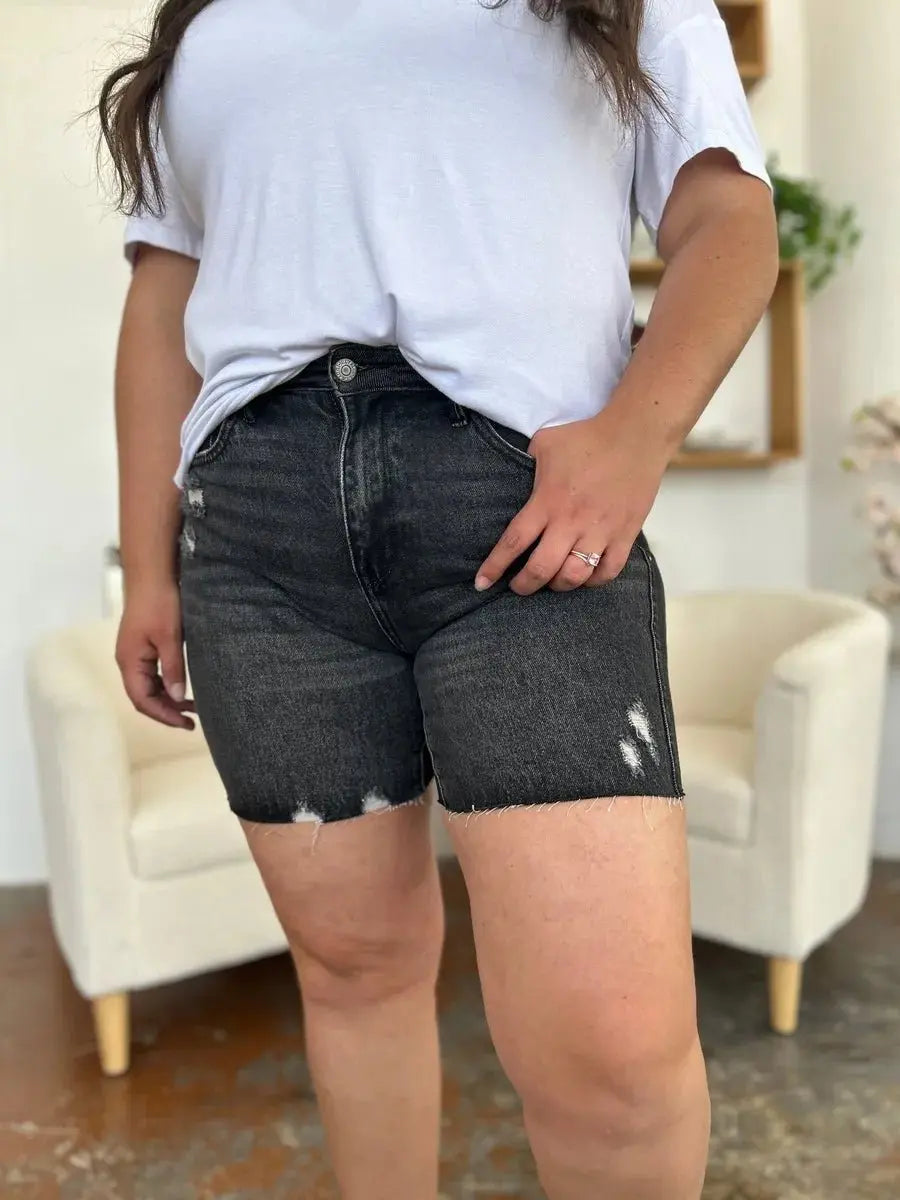
- Hemp: Known for its durability and strength, hemp fabric is a sustainable fiber that improves soil health and reduces environmental impact. It is increasingly used in plus-size denim, outerwear, and utility wear.
Innovative Manufacturing Processes Supporting Sustainability
These textiles are being produced through cutting-edge methods that mitigate environmental impact. Techniques such as closed-loop processing, waterless dyeing, and low-impact chemical use are becoming standard in the industry. Advancements in digital printing enable vibrant designs without excessive dye usage, preserving water and reducing chemical runoff. Additionally, innovations like bio-based finishes and non-toxic treatments ensure garments maintain high quality while remaining eco-friendly.
Driving Diversity: How Sustainable Fabrics Enhance Inclusivity
Beyond environmental benefits, these fabrics are instrumental in embracing and celebrating diversity in fashion. Their inherent qualities—such as stretchiness, softness, and durability—allow for inclusive design that accommodates different body shapes, sizes, and preferences. Here’s how sustainable textiles foster inclusivity:
- Enhanced Comfort and Fit: Eco-friendly fabrics like Tencel and bamboo are naturally soft and breathable, improving wearability for all body types.
- Versatility in Design: Durable and flexible materials allow designers to create a broader array of styles that flatter various figures.
- Empowerment through Ethical Fashion: When consumers see brands prioritizing sustainability alongside inclusivity, it fosters a sense of empowerment and connection to ethical practices.
- Body Positivity Support: Sustainable textiles that require less chemical processing and are gentle on skin promote self-confidence and body positivity among plus-size individuals.
Challenges in Sustainable Plus-Size Fashion and Future Opportunities
While progress is impressive, hurdles remain. The higher cost of eco-friendly fabrics compared to conventional textiles can limit accessibility. Scaling production to meet global demand while maintaining quality presents logistical challenges. Furthermore, misinformation and lack of awareness can hinder broader adoption of sustainable materials.
However, ongoing research, investment, and policy support are paving the way for solutions. As technology advances, the cost of sustainable fabrics is expected to decrease, making eco-conscious plus-size fashion more affordable. Increasing collaboration among brands, suppliers, and innovators will drive supply chain efficiencies, while consumer education campaigns will raise awareness about the benefits of sustainable textiles.
The Future of Plus-Size Fashion in 2025 and Beyond
Looking ahead, the trajectory of plus-size fashion is one of integration—merging sustainability with inclusivity seamlessly. Major brands are already incorporating eco-friendly fabrics into their collections, signaling a paradigm shift. Customizable, ethically produced garments that cater to diverse needs and preferences are on the horizon, supported by technological innovations such as 3D body scanning and AI-driven design.
The future also holds the promise of circular fashion systems, where textiles are reused, recycled, and repurposed continuously, minimizing waste and maximizing resource efficiency. Consumer demand for transparency and ethical sourcing will continue to shape industry standards, fueling further development of sustainable fabrics tailored for inclusive fashion.
Conclusion
In 2025, the fashion industry stands at a pivotal crossroads—embracing innovative, eco-friendly fabrics that are transforming plus-size fashion into a beacon of sustainability and diversity. These textiles are redefining what it means to create fashionable, comfortable, and ethically responsible clothing for all bodies. As technology advances and consumer awareness grows, the harmony between sustainability and inclusivity promises a brighter, more equitable future for fashion—one where every individual can express themselves confidently while caring for the planet.
By supporting brands that prioritize eco-friendly fabrics, consumers are helping to accelerate this vital shift and foster a fashion industry that truly celebrates diversity and environmental stewardship. The journey towards a sustainable and inclusive fashion future is ongoing, but with innovative fabrics leading the way, the best is yet to come.