












Introduction
In 2025, the fashion industry is undergoing a transformative shift, emphasizing environmentally sustainable practices and embracing diversity at every level. Among the various segments that are experiencing this evolution, plus-size fashion stands out as a beacon of inclusivity and innovation. The integration of eco-friendly textiles has become a cornerstone of this movement, enabling brands to create fashionable, comfortable, and environmentally responsible clothing for a broader range of body sizes. This comprehensive article dives deep into how leveraging eco-friendly fabrics is not only changing the design landscape but also fostering a more inclusive and sustainable future for plus-size fashion.
The Evolution of Eco-Friendly Textiles in Fashion
Eco-friendly textiles refer to fabrics that are produced with minimal environmental impact, emphasizing renewable resources, reduced water and energy consumption, and ethical manufacturing practices. These materials challenge the traditional fast-fashion paradigm by promoting durability, biodegradability, and waste reduction. Over the past few years, the surge in eco-textiles has been driven by consumer demand for transparency, accountability, and more sustainable options in their wardrobe choices.
Some of the most prominent eco-friendly textiles gaining popularity in 2025 include:
- Organic Cotton: Grown without synthetic pesticides or fertilizers, organic cotton requires significantly less water and energy.
- Bamboo and Tencel Lyocell: Derived from sustainably harvested bamboo and eucalyptus trees, these fibers are biodegradable and produced through closed-loop processes, minimizing waste and chemical use.
- Recycled Polyester and PET Fibers: Made from post-consumer plastic waste, these fabrics help divert plastic from landfills and oceans while reducing reliance on virgin petroleum-based fibers.
- Hemp: A fast-growing crop that requires minimal water and pesticides, hemp is durable and versatile for various fashion applications.
- Piñatex (Pineapple Leather): An innovative plant-based leather alternative created from pineapple leaf fibers, reducing agricultural waste and offering a cruelty-free material for accessories and footwear.
The widespread adoption of these materials marks a significant step toward a more sustainable and responsible fashion ecosystem, particularly in the plus-size apparel sector where comfort, durability, and ethical sourcing are increasingly prioritized.
Connecting Sustainability with Diversity: The Impact on Plus-Size Fashion
Fostering diversity in fashion involves creating clothing options that cater to various body shapes, sizes, and cultural backgrounds. When combined with ecological sustainability, this approach amplifies the overall positive impact on society and the environment. Here's how eco-friendly textiles are enabling this revolution:
- Enhancing Accessibility: Sustainable fabrics tend to be more affordable due to advancements in production and increased efficiency. This makes inclusive plus-size clothing more accessible to a diverse demographic.
- Encouraging Innovative Design: Eco textiles open up new opportunities for innovative and adaptive designs. Stretchy, breathable, and biodegradable fabrics allow for plus-size collections that are both fashionable and environmentally responsible.
- Promoting Ethical Consumerism: Brands that prioritize sustainability signal their commitment to social responsibility, attracting diverse consumers who value environmental ethics and inclusivity.
- Supporting Representation and Inclusion: Using eco-conscious practices aligns brands with the values of authenticity and social justice, fostering a culture of respect and representation for all body types.
Innovative Use of Eco-Friendly Textiles in Plus-Size Fashion (2025)
In the year 2025, numerous forward-thinking brands are pushing the boundaries of eco-friendly plus-size fashion through creative material use and innovative design. Some notable examples include:
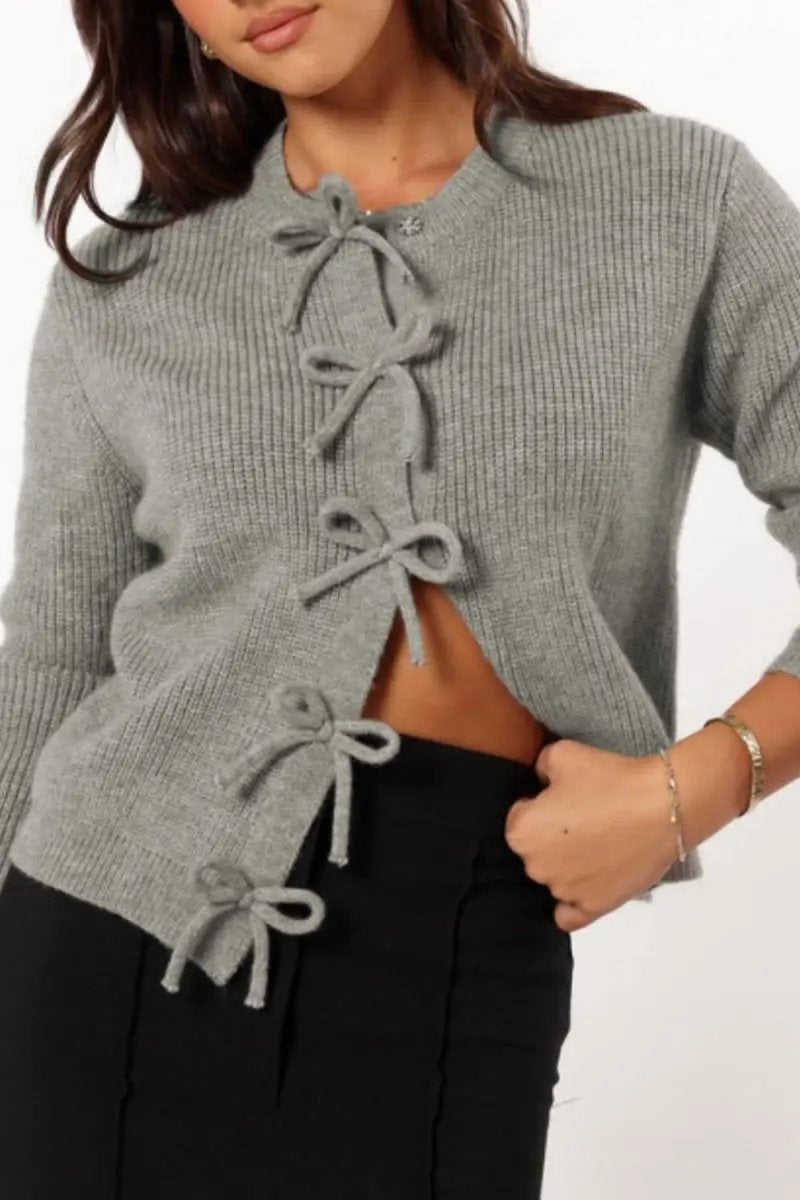
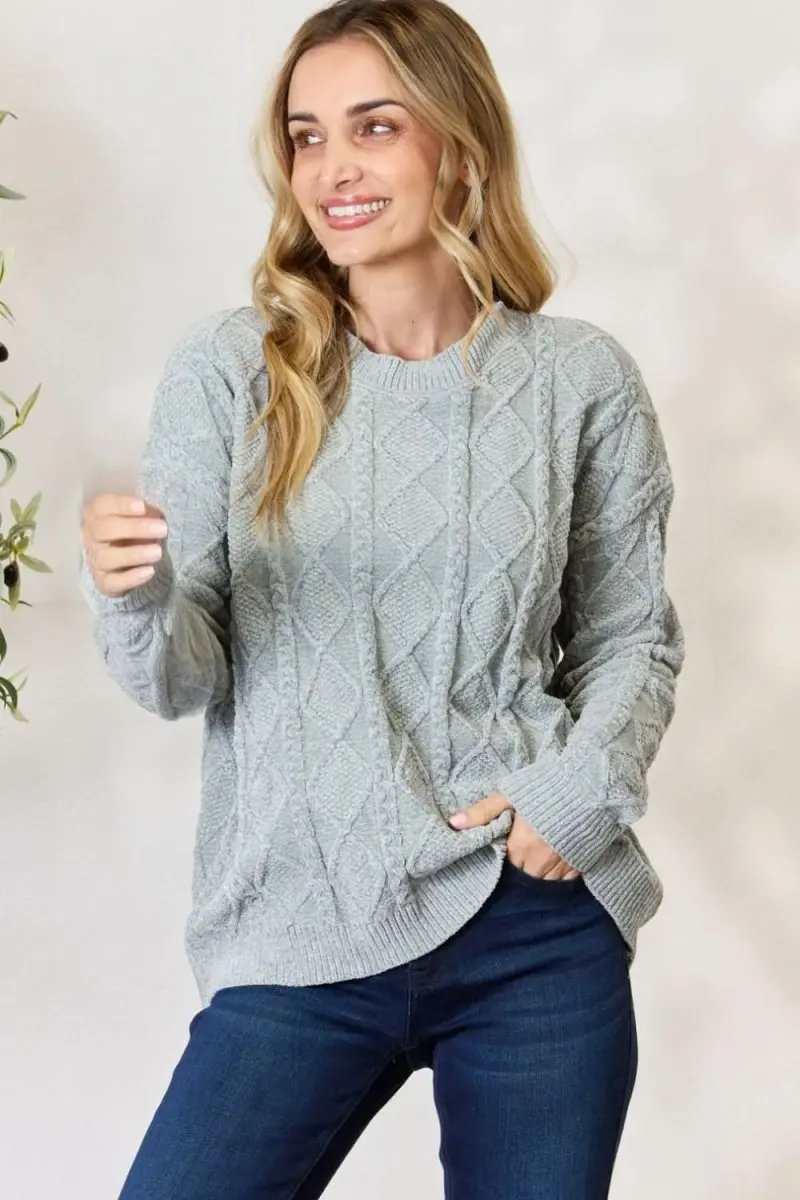
- Recycled Knitwear and Outerwear: Brands are developing plus-size sweaters, dresses, and coats using recycled polyester and organic fibers. These pieces focus on comfort, style, and sustainability, often incorporating natural dyes for vibrant colors.
- Plant-Based Leather and Alternatives: Piñatex, mushroom leather, and cork are used in plus-size accessories, footwear, and outerwear, offering cruelty-free, biodegradable options that align with environmental goals.
- Biodegradable and Compostable Fabrics: Researchers are creating fabrics that decompose naturally, reducing waste associated with discarded clothing, especially vital in fast-fashion cycles.
- Natural Dyes and Non-Toxic Colorants: Using sustainably sourced dyes enhances the eco-credentials of plus-size collections, while offering diverse color palettes that appeal to various fashion tastes.
- Memory and Bi-stretch Fabrics: These materials adapt to different body types, providing a perfect fit while utilizing biodegradable or recycled components, thus combining comfort with sustainability.
The Challenges Facing Eco-Friendly Plus-Size Fashion
Despite the numerous advantages, significant hurdles remain that could hinder the widespread adoption of eco-friendly textiles in plus-size fashion:
- Cost Barriers: Sustainable fabrics often involve higher production costs, which can translate into higher retail prices, potentially limiting accessibility.
- Supply Chain Limitations: Ensuring transparency and ethical sourcing throughout the supply chain is complex and requires considerable effort and investment.
- Consumer Education: Many consumers are still unfamiliar with eco-textiles and their benefits, necessitating effective communication and transparency from brands.
- Durability and Performance: Developing eco-fabrics that meet the durability, stretch, and washability standards expected in plus-size clothing is an ongoing challenge.
Future Opportunities: A Sustainable and Inclusive Fashion Industry
Looking ahead, there are exciting opportunities to further integrate eco-friendly textiles into plus-size fashion:
- Collaborations: Partnerships between textile innovators, fashion brands, and ethical organizations can accelerate sustainable product development.
- Technological Advances: Innovations in biotechnologies and material science are expected to produce even more sustainable, high-performance fabrics.
- Consumer Engagement: Educating consumers on the benefits of eco-friendly fashion will foster demand, encouraging brands to prioritize sustainability.
- Legislative Support: Policies promoting sustainable manufacturing practices and providing incentives for eco-friendly textiles can drive industry-wide change.
Conclusion
Harnessing eco-friendly textiles is more than a trend; it is a fundamental shift toward a more sustainable and inclusive fashion industry in 2025. By integrating innovative, environmentally responsible materials into plus-size fashion, brands are not only meeting the needs of a diverse consumer base but also contributing positively to the health of our planet. As technology advances and consumer awareness grows, the future of plus-size fashion looks brighter, greener, and more inclusive than ever before. Embracing these sustainable practices paves the way for a fashion industry rooted in respect for both human diversity and ecological integrity.