













Introduction
In 2026, the fashion industry is undergoing a remarkable transformation driven by the twin imperatives of sustainability and inclusivity. Consumers are increasingly demanding environmentally responsible products that also celebrate diversity in body sizes and styles. At the heart of this evolution are biodegradable and recycled textiles, which are revolutionizing how designers and brands approach plus-size fashion. This comprehensive exploration delves into how these sustainable materials are fostering a more inclusive future, redefining beauty standards, and promoting environmental stewardship in an increasingly conscious marketplace.
The Evolution of Sustainable Textiles in Fashion
Sustainable textiles have emerged as pivotal in combating climate change and reducing water, chemical, and energy consumption. Innovative fibers such as Tencel (Lyocell), hemp, organic cotton, and apparels made from recycled plastics have gained prominence. The shift towards these materials stems from a global movement to lessen the environmental footprint of fashion, which is historically one of the most polluting industries.
Recycled textiles utilize waste streams like plastic bottles, discarded garments, and industrial scraps, transforming waste into fashionable fabrics. Meanwhile, biodegradable textiles are crafted from natural or sustainably farmed fibers that break down harmlessly after disposal, reducing long-term waste accumulation.
The Intersection of Sustainability and Inclusivity in Plus-Size Fashion
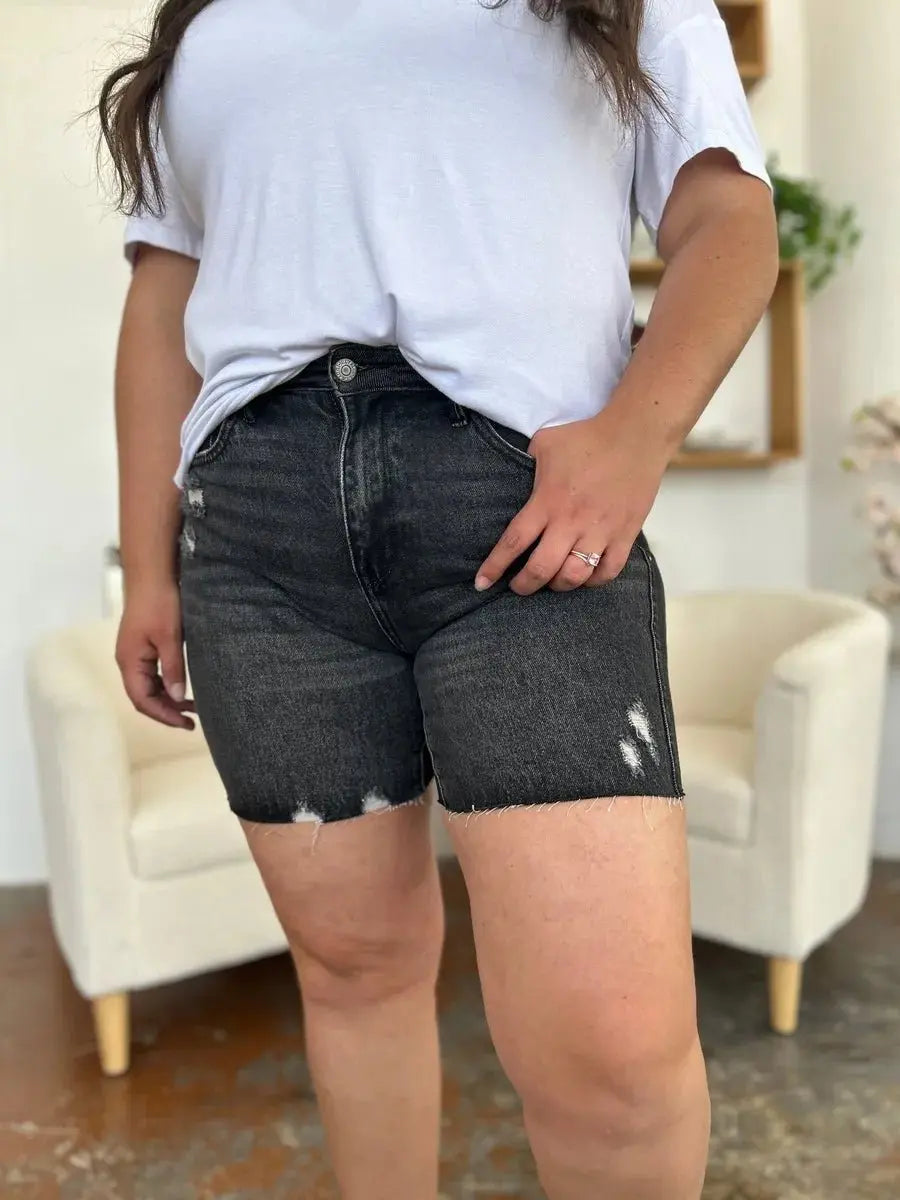
Plus-size fashion has long been a space where issues of representation, diversity, and accessibility are critical. Historically marginalized, plus-size consumers often faced limited options, poor fit, and stereotypical marketing. Today, incorporating biodegradable and recycled textiles into plus-size collections is breaking down barriers in several impactful ways:
- Expanding Design Horizons: Sustainable textiles open up new design possibilities. Their versatility allows for innovative cuts, textures, and finishes that are capable of flatteringly accommodating diverse body shapes and sizes.
- Comfort and Fit: Natural fibers like organic cotton and hemp offer breathability, softness, and flexibility, which are crucial for plus-size fashion, emphasizing comfort without sacrificing style.
- Accessibility and Affordability: As technology improves and economies of scale are achieved, recycled and biodegradable fabrics become more affordable, making sustainable plus-size fashion accessible to a broader audience.
- Representation and Branding: Brands adopting eco-friendly and inclusive practices are seeing increased loyalty among consumers seeking authenticity, diversity, and responsible consumption.
Environmental Benefits and Social Impact
The push for biodegradable and recycled textiles extends beyond fashion, positively impacting society and the planet. These materials contribute to:
- Waste Reduction: Recycling plastics and textiles significantly decreases landfill overflow and marine pollution, addressing critical environmental issues.
- Lower Chemical Use: Natural fibers and eco-friendly dyes reduce harmful chemical runoff, benefiting ecosystems and communities in manufacturing regions.
- Water Conservation: Many sustainable fibers require considerably less water than conventional fabrics, alleviating strain on water resources globally.
- Carbon Footprint Reduction: Eco-conscious production processes cut greenhouse gas emissions, aiding climate change mitigation efforts.
Brands and Designers Leading the Charge
Numerous pioneering brands are championing sustainability and inclusivity within plus-size fashion through innovative use of biodegradable and recycled textiles. These companies are setting industry standards and inspiring others to follow:
- EcoCurve: Specializes in plus-size apparel made entirely from recycled fibers, emphasizing durability, style, and eco-consciousness.
- GreenSize: Combines sustainable fibers with a wide range of inclusive sizing, ensuring individuals of all sizes are represented and celebrated.
- ReGen Wear: Focuses solely on recycled textiles, offering trendy, eco-friendly collections designed specifically for plus-size consumers.
- Sustainable Innovators: Brands like Patagonia and Eileen Fisher have expanded their sustainable ranges to include plus-size options, demonstrating industry-wide commitment.
Technological Innovations Driving Change
Advances in textile manufacturing technology continue to expand the potential of biodegradable and recycled fabrics. Recent developments include:
- Bioengineered Fibers: Innovations in biotech allow for the creation of fibers that are both sustainable and high-performance.
- Closed-Loop Recycling: Systems that enable fabrics to be recycled repeatedly without loss of quality, ensuring longevity and reducing waste.
- Natural Dyeing Methods: New techniques for dyeing textiles using plant-based or mineral-based dyes reduce chemical use and environmental impact.
The Role of Consumers in Shaping the Future
Consumers play a vital role in accelerating the adoption of biodegradable and recycled textiles. Education and awareness about sustainable fashion encourage responsible purchasing choices. Key actions consumers can take include:
- Supporting brands committed to sustainability and inclusivity.
- Prioritizing quality over quantity to reduce fast fashion consumption.
- Understanding and demanding transparency about materials and manufacturing processes.
- Participating in clothing recycling programs and secondhand markets.
Looking Ahead: The Future of Plus-Size Fashion
By 2026, the integration of sustainable textiles into plus-size fashion is poised to become standard practice, not an exception. The future includes several promising trends:
- Greater Diversity in Representation: Marketing campaigns showcasing diverse body types in sustainable apparel will normalize body positivity.
- Enhanced Collaboration: Cross-industry partnerships will foster innovation in sustainable and inclusive fashion.
- Global Impact: Developing countries will adopt sustainable practices, creating more equitable and environmentally friendly supply chains.
- Personalized Sustainable Fashion: Advances in technology will enable customization and on-demand production, minimizing waste and meeting individual needs.
Conclusion
In 2026, biodegradable and recycled textiles are not merely eco-friendly options—they are vital catalysts for a more inclusive, diverse, and responsible fashion industry. By embracing these sustainable materials, brands are redefining what it means to be beautiful, stylish, and environmentally conscious. Together, consumers and designers can foster a future where fashion celebrates all bodies while honoring our planet, creating a legacy of positive change that endures for generations to come.