



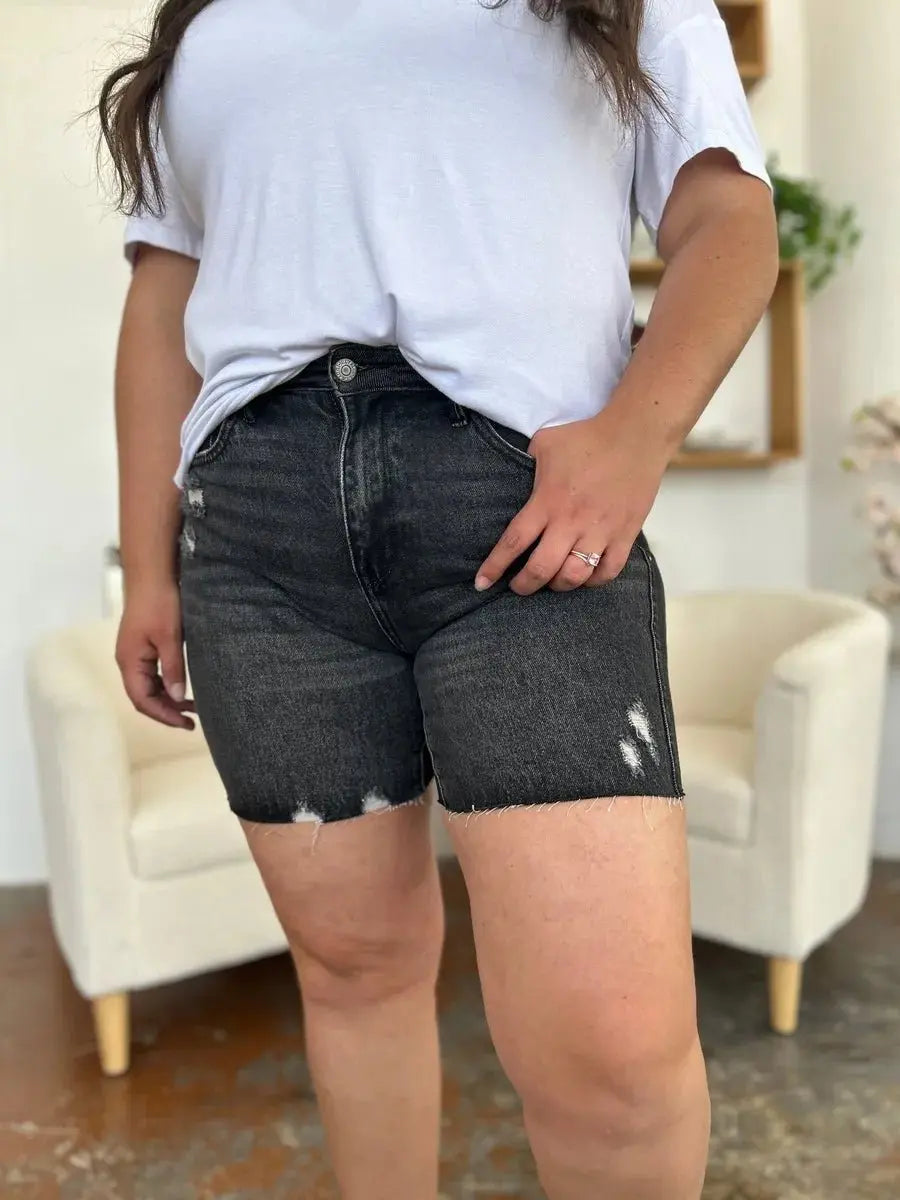





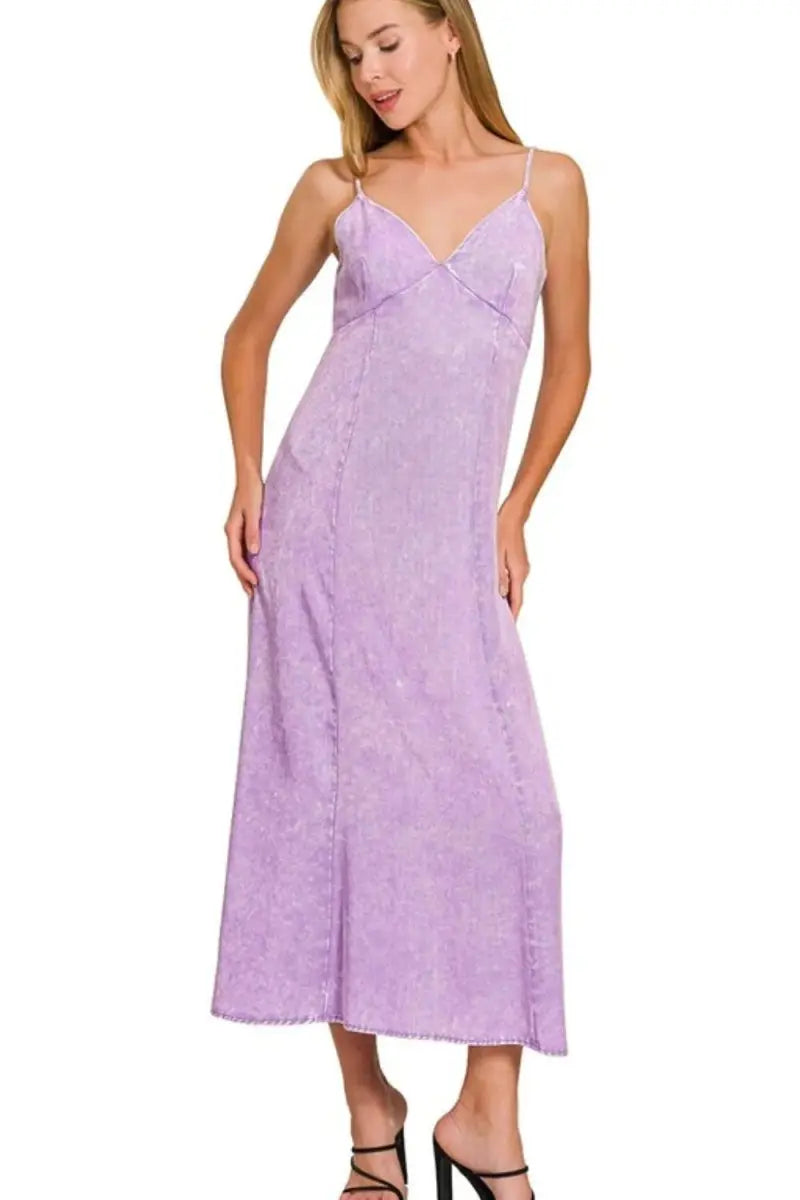


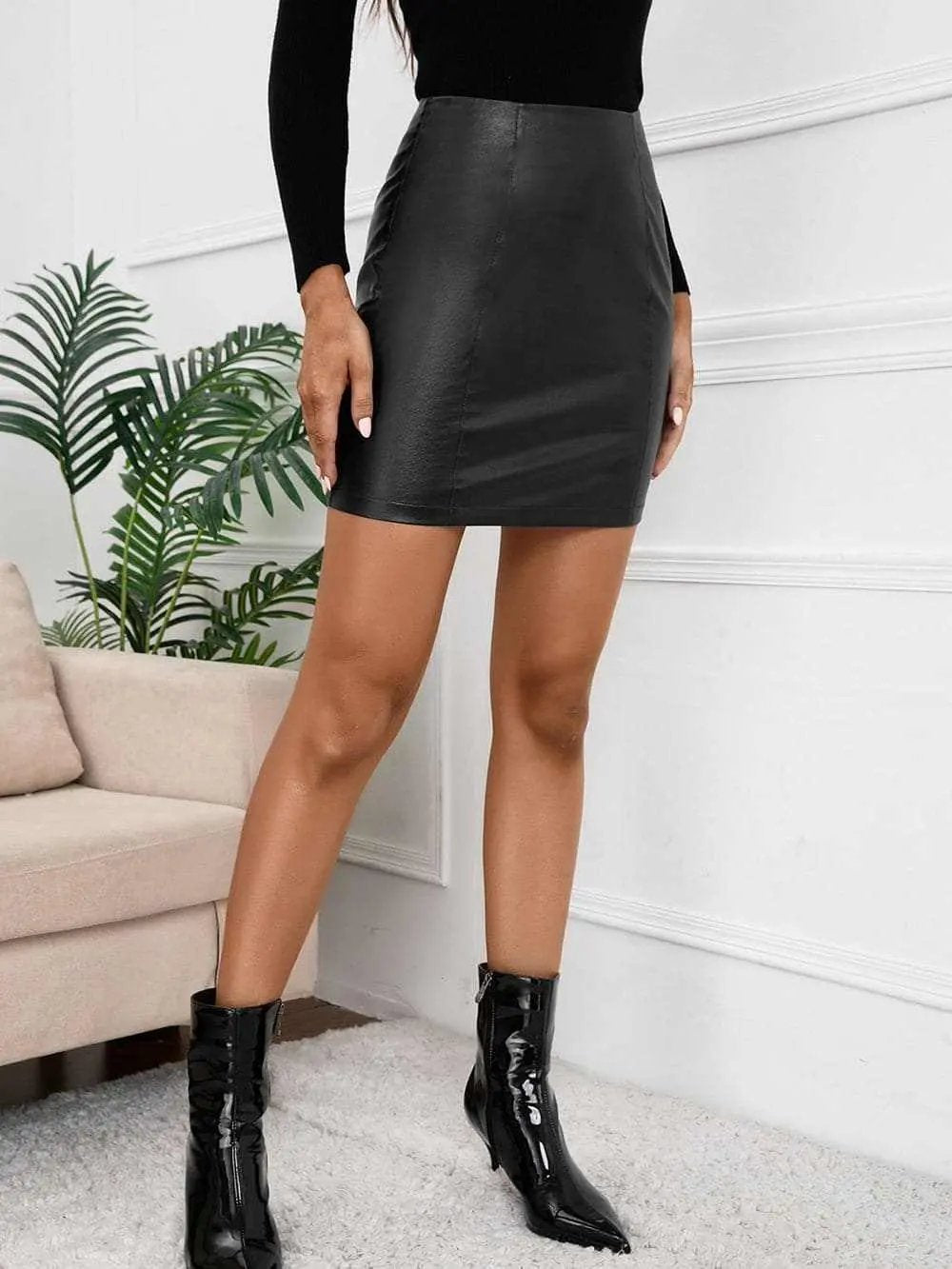


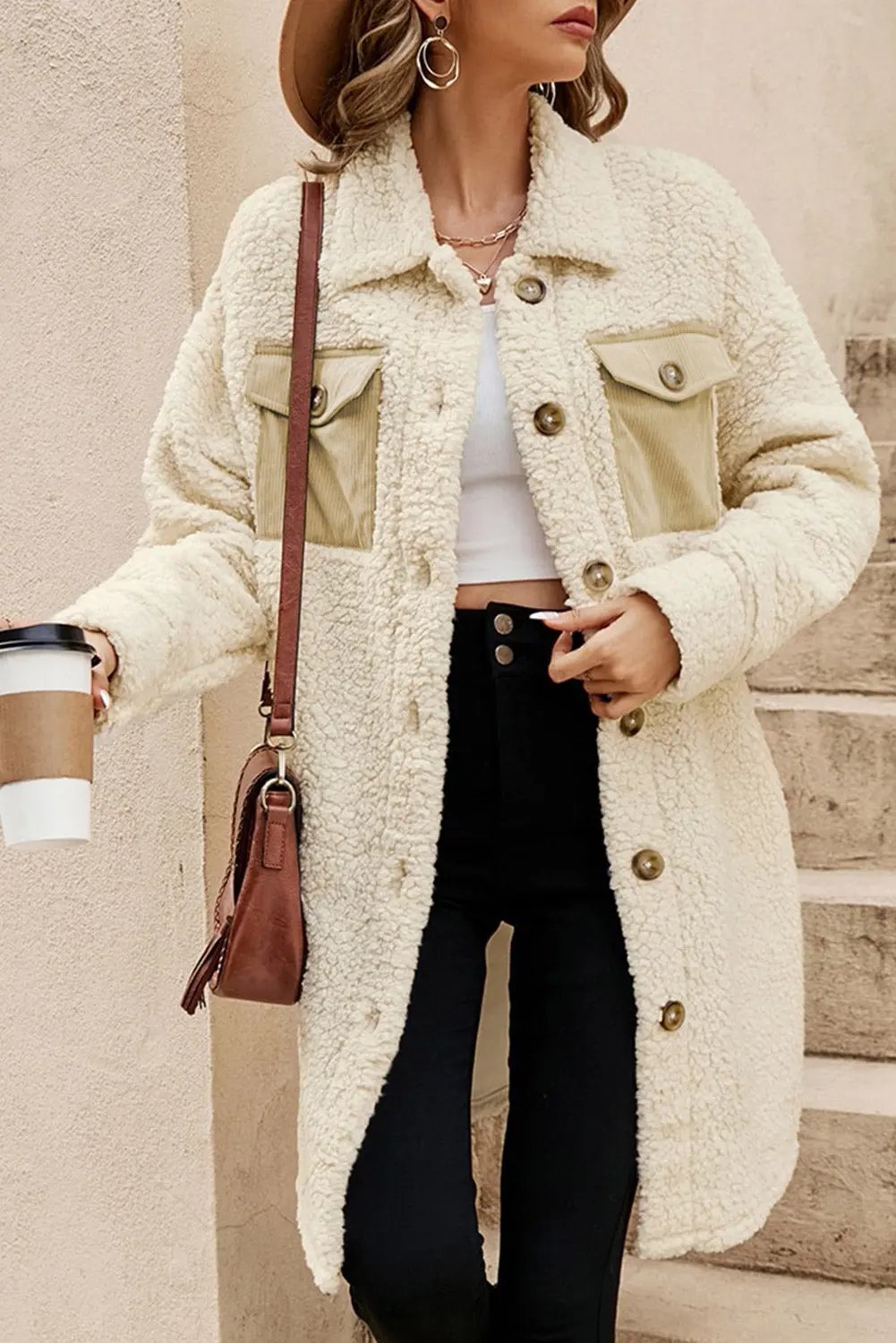

Introduction
In 2025, the fashion industry stands at a pivotal crossroads where sustainability and inclusivity are no longer optional but essential components of brand identity. The plus-size fashion segment, which historically faced marginalization and limited options, is experiencing a renaissance. This reinvention is driven by a collective movement towards embracing diverse body types and advocating for environmentally responsible practices. Central to this transformation is the adoption of sustainable textiles—innovative fabrics that align environmental consciousness with fashion inclusivity. In this comprehensive exploration, we delve into how sustainable textiles are reshaping plus-size fashion, fostering genuine inclusivity, and shaping a more ethical industry landscape.
The Journey of Plus-Size Fashion Towards Inclusion
Over the last decade, perceptions around body positivity and representation have radically shifted. The industry has moved from offering limited sizes and stereotypical designs to embracing diversity in body types, skin colors, and cultural expressions. This evolution reflects broader societal changes, where consumers demand authentic representation and ethical production. The growth of plus-size fashion has been fueled by pioneering brands that prioritize inclusivity and challenge traditional beauty standards.
However, despite these advances, the market still grapples with issues such as fast fashion's environmental toll, lack of accessible high-quality options, and the need for sustainable production methods. In 2025, the focus is on bridging these gaps by integrating sustainability into the core objectives of inclusive fashion, ensuring that plus-size consumers not only have more choices but also have options that are environmentally responsible and durable.
The Critical Importance of Sustainable Textiles in Modern Fashion
Sustainable textiles are fabrics produced through processes that significantly reduce environmental impact, support fair labor practices, and promote resource conservation. Their relevance in plus-size fashion cannot be overstated, given the sector’s demand for high-performance, comfortable, and durable clothing. These textiles play a vital role in addressing ecological challenges while promoting inclusivity.
Environmental Benefits: Sustainable fabrics tend to use fewer chemicals, require less water and energy, and generate less waste compared to conventional textiles. Their adoption helps mitigate issues such as water pollution, deforestation, and greenhouse gas emissions.
Enhanced Durability and Comfort: Plus-size garments require materials that can withstand frequent wear and washing. Eco-friendly textiles such as hemp or Tencel often boast superior durability and comfort, making them ideal for creating long-lasting fashion pieces.
Ethical Production: The use of sustainable textiles is often intertwined with fair trade practices, ensuring workers receive fair wages and work in safe conditions, further amplifying social responsibility within the fashion industry.
Leading Sustainable Materials Transforming Plus-Size Fashion in 2025
Several innovative and sustainable fabrics are gaining traction among fashion brands striving to combine ethics with style. These materials are flexible, versatile, and particularly suited for designing inclusive fashion lines:
- Organic Cotton: Cultivated without synthetic pesticides or fertilizers, organic cotton is a staple for comfortable, breathable clothing suitable for all sizes, especially larger garments requiring sturdiness.
- Tencel (Lyocell): Made from sustainably harvested eucalyptus trees, Tencel is biodegradable, soft, and highly breathable, making it ideal for everyday wear in plus-size collections.
- Hemp: Known for its strength and durability, hemp is a fast-growing crop that consumes minimal water and chemicals, perfect for creating sturdy, versatile pieces that last.
- Bamboo Fabric: Naturally antibacterial and eco-friendly, bamboo textiles are soft and breathable, providing comfort for larger sizes and supporting sustainable cultivation practices.
- Recycled Fabrics: Materials made from post-consumer waste, such as recycled polyester, reduce landfill waste and give new life to discarded plastics, aligning with circular fashion principles.
The Intersection of Sustainability and Inclusivity
Incorporating sustainable textiles into plus-size fashion dramatically influences notions of inclusivity by enabling more diverse and accessible fashion options. The benefits include:
- Diverse Design Possibilities: Sustainable fabrics open avenues for innovative design, enabling brands to craft garments that cater to a wide range of body sizes, shapes, and personal styles.
- Size-Inclusive Collections: Eco-friendly textiles often have enhanced durability and comfort, facilitating the production of size-inclusive garments that are stylish, functional, and longer-lasting.
- Consumer Trust and Transparency: Brands committed to sustainability build trust with conscious consumers, fostering loyalty by demonstrating genuine values aligned with social and environmental responsibility.
- Empowerment and Representation: When plus-size fashion brands utilize sustainable textiles, they challenge stereotypes and promote positive representation that encompasses environmental stewardship and inclusivity.
Challenges Facing Sustainable Plus-Size Fashion in 2025
Despite mounting enthusiasm, the integration of sustainability into plus-size fashion encounters several challenges:
- Cost Constraints: Sustainable fabrics and ethical manufacturing processes often entail higher costs, which can limit affordability for consumers and smaller brands.
- Supply Chain Complexity: Scaling up sustainable textile production requires significant investment and innovation to meet increasing demand without compromising ethics or quality.
- Design Limitations: Some eco-friendly fabrics may pose design challenges, such as limited stretch or texture suitability, requiring technological advances and creative problem-solving.
- Consumer Awareness: Educating consumers about the importance of sustainable fashion and encouraging responsible purchasing behaviors remains an ongoing effort.
Future Outlook: Innovations and Opportunities
Looking ahead to 2025 and beyond, several promising developments are expected to accelerate the integration of sustainability and inclusivity in plus-size fashion:
- Advanced Recycling Technologies: Innovations in fiber recycling will make eco-friendly textiles more affordable and widely available.
- Collaborations and Cross-Industry Innovation: Partnerships between fashion designers, textile scientists, and sustainability experts will lead to new materials and designs tailored for inclusivity.
- Increased Consumer Engagement: Educational campaigns and transparent marketing will improve consumer understanding, prompting more responsible purchasing decisions.
- Policy and Regulatory Support: Governments and industry bodies are expected to introduce standards and incentives that encourage sustainable practices across all fashion segments.
Conclusion
As we advance into 2025, the reimagining of plus-size fashion through sustainable textiles exemplifies a profound shift towards a more inclusive and ethical industry. The synergy between innovative fabrics and diverse design signifies a future where fashion is accessible, durable, and environmentally responsible. Embracing these changes requires collaboration among brands, consumers, policymakers, and technologists. By prioritizing sustainability and inclusivity, the industry can foster a culture of respect, diversity, and ecological stewardship—setting a powerful precedent for the fashion landscape of tomorrow.