













Introduction
In 2025, the fashion industry stands at a pivotal crossroads, driven by a profound shift towards sustainability and inclusivity. For too long, traditional fabrics and manufacturing processes have contributed to environmental degradation and perpetuated narrow beauty standards. However, recent technological advancements and a growing consumer consciousness have sparked a revolution in fabric innovation, especially within plus-size fashion. The adoption of eco-friendly fabrics is not only reducing the environmental footprint but also fostering greater body positivity and diversity. This comprehensive guide explores how these innovative materials are transforming plus-size fashion and setting new standards for the industry.
The Evolution of Eco-Friendly Fabrics
Historically, textile production has been one of the most resource-intensive industries, requiring vast amounts of water, energy, and chemicals. Recognizing this, researchers and brands have invested heavily in developing sustainable textile solutions that align with environmental goals. Some of the most notable eco-friendly fabrics gaining popularity in 2025 include:
- Recycled Polyester: Made from post-consumer plastic waste, recycled polyester reduces reliance on virgin petroleum resources and mitigates plastic pollution.
- Organic Cotton: Grown without synthetic pesticides or fertilizers, organic cotton minimizes chemical runoff and soil depletion.
- Tencel (Lyocell): Produced from sustainably sourced eucalyptus trees, Tencel is biodegradable and uses a closed-loop process that recaptures and reuses solvents.
- Hemp: A fast-growing fiber that requires minimal water and chemicals, hemp is gaining traction for its durability and versatility.
- Piñatex (Pineapple Leather): An innovative, vegan alternative to animal leather made from agricultural waste, reducing waste and promoting ethical fashion.
Technological Innovations Enhancing Plus-Size Fashion
As fabric innovations advance, they are enabling clothing that is not only environmentally sustainable but also more inclusive and comfortable for all body types. Key technological breakthroughs include:
- Adaptive Stretch Fabrics: New blends incorporating plant-based elastomers and recycled fibers provide enhanced stretch and recovery, accommodating the dynamic and diverse shapes within plus-size fashion.
- Temperature-Regulating Materials: Eco-friendly fabrics imbued with phase-change materials or breathable properties ensure comfort across seasons and climates.
- Color-Binding and Dyes: Natural dyes and low-impact coloring methods produce vibrant, fade-resistant hues without harmful chemicals, inspiring bold fashion statements.
- Nanotechnology: Tiny innovations that make fabrics stain-resistant, odor-neutral, and UV-protective, enhancing durability and wearability for plus-size garments.
Impact on Plus-Size Fashion Industry
The integration of eco-friendly fabrics is profoundly transforming the plus-size fashion landscape, bringing about tangible benefits:
- Broader Range of Fashion Options: Designers are now leveraging sustainable materials to create diverse, trendy collections that challenge stereotypes and celebrate style.
- Enhanced Fit and Comfort: Fabrics with superior elasticity, breathability, and softness improve the overall fit, confidence, and comfort for plus-size consumers.
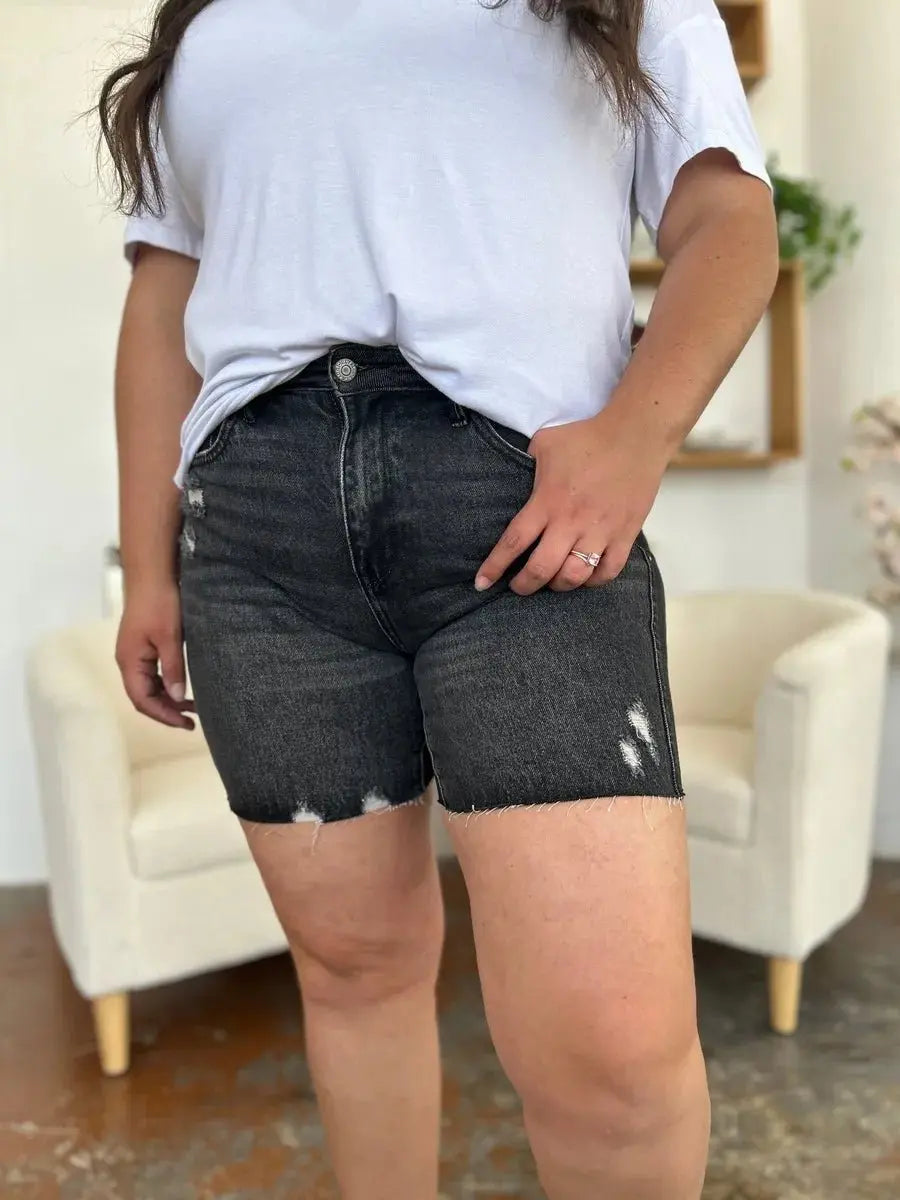
- Challenging Beauty Standards: BrandsRepresentation of plus-size models sporting eco-friendly styles promotes diversity, body positivity, and societal acceptance.
- Cost and Accessibility: As eco-fabrics become more mainstream and production scales up, prices are decreasing, making sustainable plus-size fashion more accessible.
Addressing Sustainability and Ethical Concerns
Beyond aesthetic and comfort benefits, eco-friendly fabrics significantly reduce the environmental and social impacts of fashion:
- Lower Water and Energy Consumption: Sustainable textiles often require less resource input, aligning with global efforts to conserve natural resources.
- Less Chemical Pollution: Reduced use of harmful dyes and chemicals safeguards ecosystems and human health.
- Fair Labor and Ethical Manufacturing: Many eco-fabrics are produced within fair-trade frameworks, ensuring safe working conditions and equitable wages.
- Transparency and Consumer Engagement: Ethical provenance of fabrics encourages brands to be transparent, allowing consumers to make informed purchasing decisions that support sustainability and fair labor practices.
The Role of Inclusive Design and Representation
As sustainable fabrics empower designers to create more versatile styles, inclusive design becomes paramount. Brands are now incorporating the following principles:
- Size-Inclusive Patterns: Patterns that consider a wide range of body shapes and proportions, ensuring better fit and comfort.
- Adaptive Features: Adjustable elements, elastic waistbands, and flexible fabrics create clothing that adapts seamlessly to different plus-size body types.
- Representation: Showcasing diverse models promotes real-world inclusivity, challenging stereotypes and inspiring confidence among consumers.
The Future of Plus-Size Fashion with Eco-Fabrics
Looking ahead, the horizon for eco-friendly fabrics in plus-size fashion is bright. Innovation will continue to lower costs, improve material performance, and expand the palette of sustainable options. Key trends expected in the near future include:
- Bio-Based and Regenerative Materials: Developing textiles derived from renewable biological resources that support soil health and biodiversity.
- Circular Fashion Models: Emphasizing recyclability and reusability to create closed-loop systems that minimize waste.
- Tech-Integrated Sustainability: Advancements in digital fabric printing, 3D knitting, and virtual sampling that reduce waste during production.
- Consumer Engagement: Increased awareness and activism encouraging consumers to seek out and support brands committed to sustainability and inclusivity.
Conclusion
In 2025, the fashion industry’s embrace of innovative eco-friendly fabrics is catalyzing a more inclusive, sustainable, and stylish plus-size fashion movement. These materials are not merely environmentally conscious choices but powerful tools for promoting diversity, comfort, and confidence. As brands continue to invest in technological advancements and ethical practices, consumers can look forward to a future where their fashion choices align with their values. The ongoing transformation signifies a hopeful step toward a world where fashion celebrates all bodies and protects the planet—truly a win for society and the environment alike.