










Introduction
As we progress further into 2025, the fashion industry is undergoing a monumental transformation driven by two powerful forces: sustainability and inclusivity. The rise of innovative sustainable textiles is not just an environmental movement but also a catalyst for redefining style, comfort, and representation in the plus-size fashion sector. This comprehensive exploration delves into how emerging eco-friendly materials are reshaping the landscape, fostering body positivity, and setting new standards for ethical fashion.
The Evolution of Sustainable Textiles in Fashion
Over the past decade, consumers have become increasingly conscious of their environmental impact, demanding transparency and sustainability from brands. Tech innovations, eco-conscious sourcing, and circular economy principles now underpin textile development. Manufacturers are investing heavily in research and development to create materials that are not only eco-friendly but also versatile, durable, and suitable for plus-size fashion. This push is resulting in a surge of sustainable fabrics that meet the aesthetic and functional demands of the modern consumer.
Key Sustainable Textiles Pioneering Plus-Size Fashion in 2025
Below are some of the most significant materials transforming the industry:
- Piñatex: Derived from pineapple leaf fibers, Piñatex offers a vegan, biodegradable alternative to leather. Its durability and natural appearance make it perfect for accessories, footwear, and even apparel that requires sturdy yet flexible materials suitable for diverse body sizes.
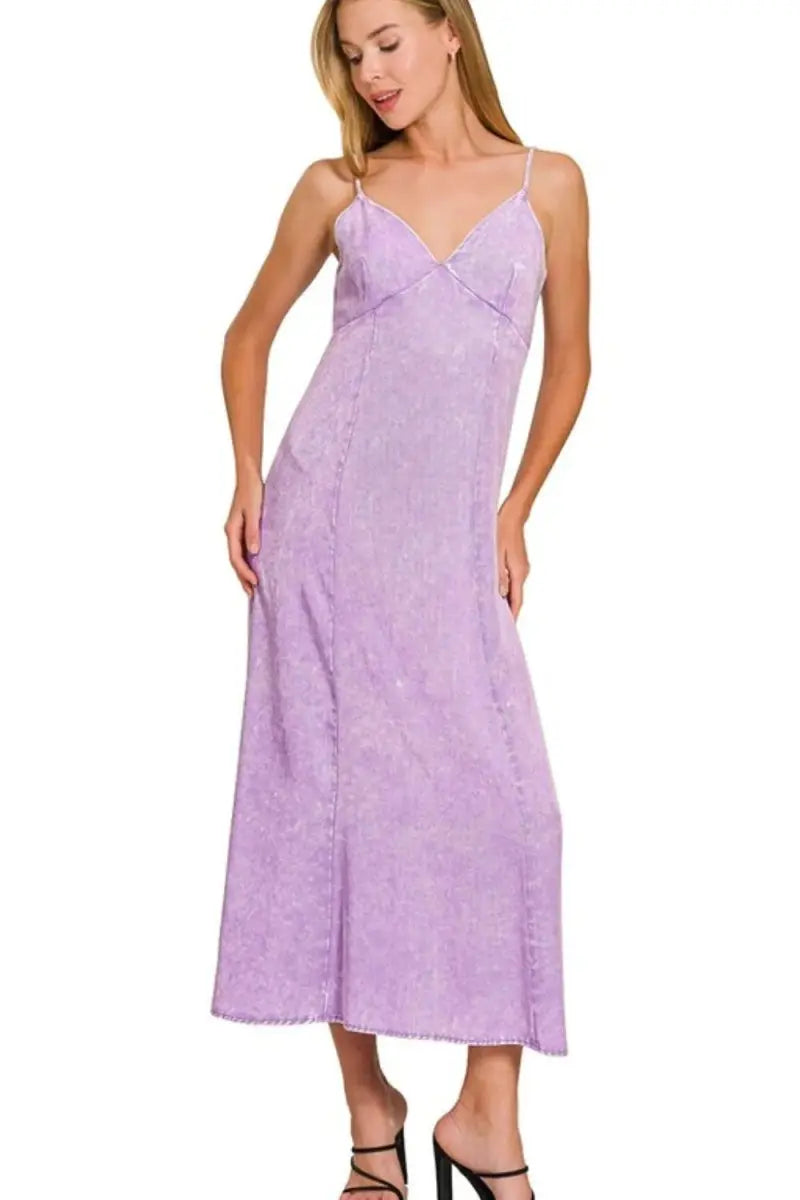
- Tencel Lyocell: Made through a closed-loop process from sustainably harvested eucalyptus, Tencel Lyocell is celebrated for its silky softness, breathability, and low environmental footprint. Its versatility allows designers to create flowy dresses, comfortable activewear, and tailored garments suitable for plus-size figures.
- Recycled Polyester: This textile repurposes plastic waste including PET bottles, reducing pollution and creating durable, elastic fabrics. Its weight and stretch qualities are integral in designing inclusive sizing options, performance wear, and trendy streetwear.
- Bamboo-based Fabrics: Highly renewable and biodegradable, bamboo fabric combines softness with antibacterial properties. It’s ideal for eco-friendly activewear, loungewear, and everyday essentials designed for comfort and inclusivity.
- Hemp Textiles: Known for its strength and sustainability, hemp is gaining popularity in plus-size fashion for its durability, breathability, and ability to age well, supporting longer-lasting apparel.
Innovative Design Approaches Supporting Inclusivity and Style
Beyond material innovation, designers are rethinking fashion constructs to accommodate all body types while maintaining aesthetic appeal:
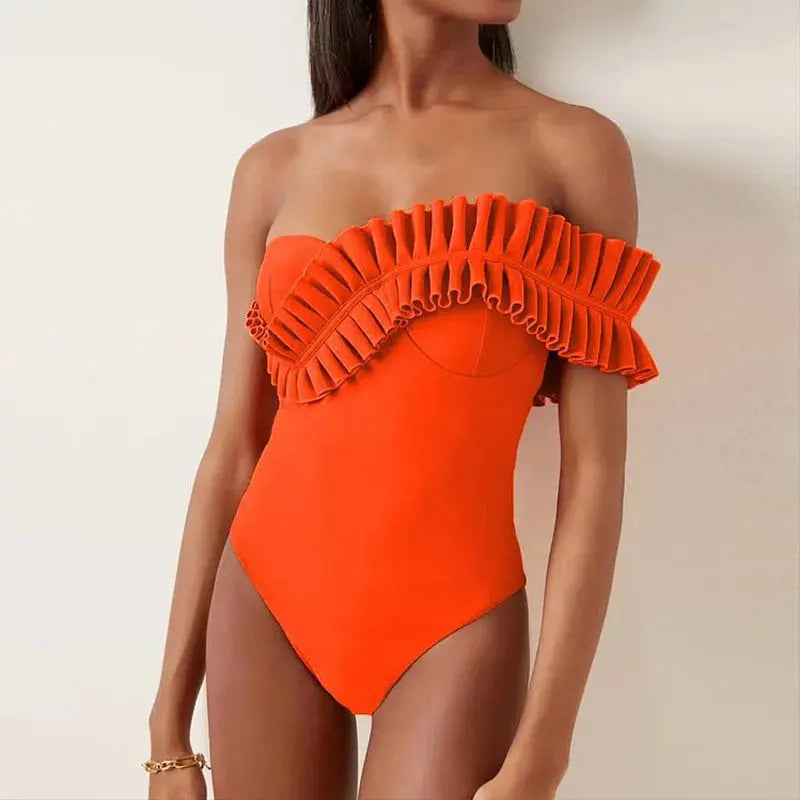
- Adaptive and Flexible Fabrics: Stretchable, ruffled, and draped materials that provide comfort without sacrificing style are at the forefront of design innovation.
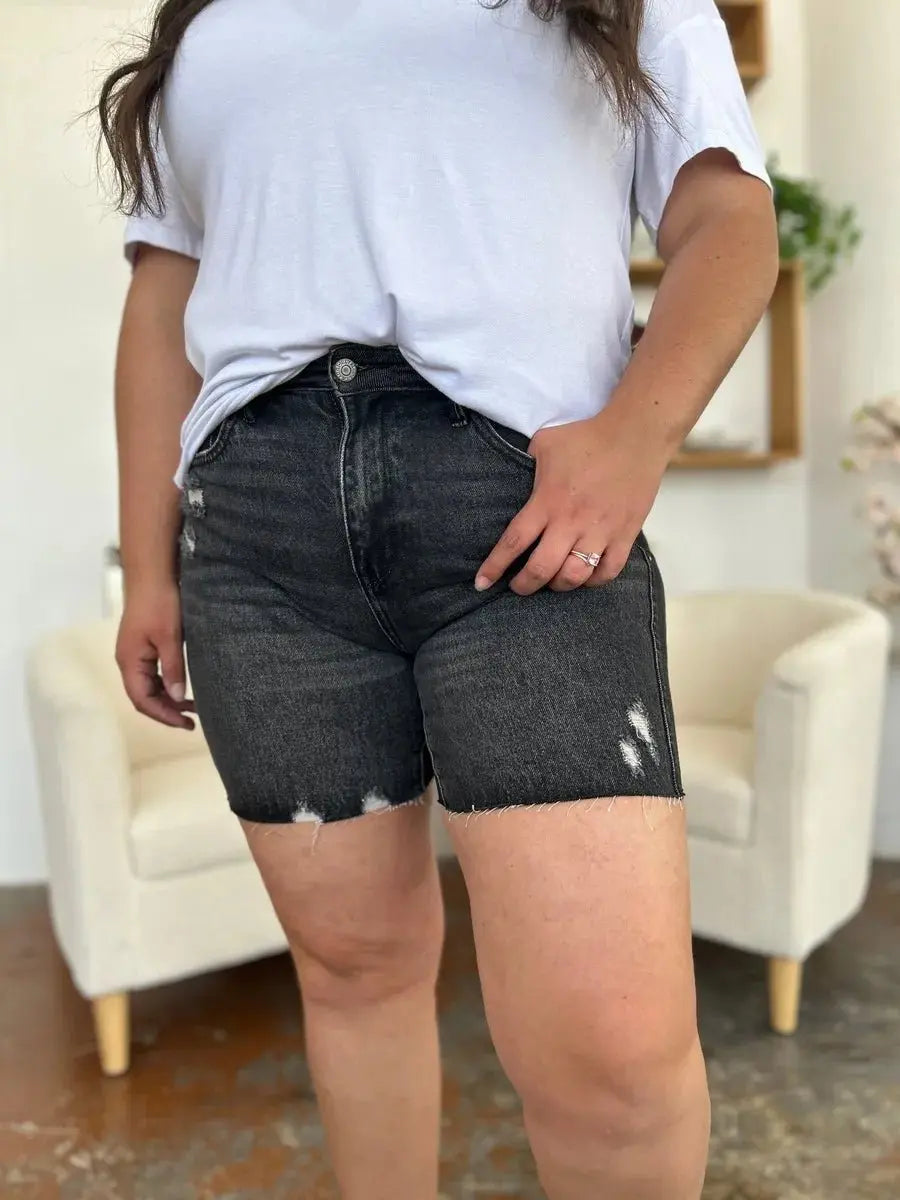
- Flattering Fits with Extra Inclusivity: Designs emphasizing adjustable features, higher-rise waistbands, and contouring panels that adapt to different curves.
- Color and Pattern Trends: Nature-inspired hues—such as earthy greens, warm browns, and vibrant floral patterns—are prevalent, emphasizing sustainability’s harmony with style.
- Size-Inclusive Collections: Brands are expanding their size ranges and creating designs that celebrate diversity, encouraging consumers to embrace their unique identities.
Empowering the Plus-Size Community through Sustainability
The integration of sustainable textiles in plus-size fashion fosters body positivity and environmental consciousness simultaneously. These developments lead to numerous societal benefits:
- Breaking Stereotypes: Fashion campaigns increasingly showcase diverse bodies wearing eco-friendly styles, challenging outdated beauty standards.
- Enhancing Confidence: Well-fitting, stylish, and sustainable apparel helps plus-size individuals feel valued and empowered.
- Building Community and Advocacy: Brands that champion sustainability and inclusivity foster trust and loyalty among consumers who seek ethical and representation-driven fashion choices.
- Promoting Environmental Consciousness: Outreach and education around eco-friendly textiles stimulate a more mindful consumption pattern among consumers, encouraging reuse and recycling.
Market Trends and Industry Growth in 2025
The marriage of sustainability and inclusivity is fueling dynamic market trends:
- Shift in Consumer Preferences: Consumers are opting for brands that prioritize transparency, ethical sourcing, and size diversity.
- Increased Collaborations: Major brands are partnering with eco-friendly startups and smaller designers to expand sustainable plus-size lines.
- Pricing and Accessibility: Advancements in textile production are making sustainable fashion more affordable and accessible for a broader audience.
- Global Market Expansion: Emerging markets are adopting sustainable and inclusive fashion, leading to a more diverse global industry.
The Role of Technology and Innovation
Technological advancements are crucial in accelerating sustainable textile development and inclusive design:
- 3D Knitting and Virtual Sampling: Reducing waste by allowing for digital prototyping and on-demand production, minimizing excess inventory.
- Bio-engineered Materials: Future innovations include lab-grown fabrics with even lower ecological footprints, designed specifically for plus-size comfort and style.
- Enhanced Recycling Processes: New techniques for recycling textiles at a molecular level lead to higher-quality regenerated fibers.
- Blockchain Transparency: Ensuring supply chain integrity and consumer trust in sustainable practices.
Looking Forward: The Future of Sustainable Plus-Size Fashion in 2025 and Beyond
The sector is poised for rapid growth and innovation:
- Eco-Friendly Circular Fashion Models: Embracing take-back programs, resale, and upcycling initiatives to extend garment lifecycle.
- Smart and Biodegradable Textiles: Development of textiles that adapt to environmental conditions or biodegrade after use.
- Global Commitment to Sustainability: Governments and organizations setting stricter regulations, pushing brands to adopt greener standards.
- Consumer Empowerment: Increased access to information and transparency, encouraging responsible purchasing decisions.
Conclusion
The intersection of innovative sustainable textiles and inclusive design is revolutionizing the plus-size fashion industry in 2025. By embracing eco-friendly materials and body-positive aesthetics, brands are leading the way toward a future where style, comfort, environmental responsibility, and diverse representation coexist harmoniously. As consumers become more conscious, their choices will continue to drive industry-wide change, fostering a fashion landscape that is both ethically sound and richly expressive of all bodies’ beauty. The journey toward sustainable, inclusive fashion is ongoing, but the momentum in 2025 promises a brighter, greener, and more inclusive future for all.