












Introduction
As the fashion industry continues to evolve into a more conscious and inclusive space, 2026 marks a pivotal year where sustainability and diversity are intertwined more than ever before. At the heart of this transformation are innovative eco-friendly fibers that are redefining material sourcing and design possibilities. These advancements are enabling brands to produce plus-size fashion that not only embraces body positivity but also significantly reduces environmental impact.
From recycled materials to plant-based fibers, the integration of these sustainable textiles is revolutionizing how the industry perceives plus-size fashion—making it more stylish, comfortable, and ethically responsible. This comprehensive look explores how these fibers are shaping the future of fashion, promoting both ecological sustainability and a broader representation of diverse bodies.
The Evolution of Eco-Friendly Fibers in Modern Fashion
Historically, textiles like polyester and conventional cotton have powered the fashion industry but at great ecological costs. Pollution from production processes, water consumption, and waste generation have prompted a search for greener alternatives. This is where innovative eco-friendly fibers come into play, offering solutions that are both sustainable and versatile.
Leading Eco-Friendly Fibers Transforming the Industry
In 2026, several fibers distinguish themselves due to their environmental benefits and functional qualities. These include:
- Recycled Polyester (rPET): Created from waste plastic bottles, it helps divert millions of tons of plastics from landfills and oceans while providing high-performance fabric options.
- Bamboo Fabric: Known for its rapid growth and low resource requirements, bamboo fabric is naturally antibacterial, breathable, and eco-friendly.
- Tencel (Lyocell): Produced using a closed-loop manufacturing process from sustainably managed eucalyptus forests, Tencel is celebrated for its softness and moisture management qualities.
- Pinatex: Extracted from pineapple leaf fibers, Pinatex offers a sustainable alternative to animal leather, reducing waste and supporting local farming communities.
- Hemp: Known for its durability and minimal environmental footprint, hemp requires little water, no pesticides, and regenerates soil health.
- Algae-Based Textiles: Made from algae, these fabrics are biodegradable, renewable, and have the potential to sequester carbon during growth.
Impacts on Plus-Size Fashion: Expanding Inclusivity and Sustainability
The advent of eco-friendly fibers is catalyzing a significant transformation in plus-size fashion—making it more inclusive, comfortable, and aligned with environmental values. Key impacts include:
- Enhanced Comfort and Functionality: Sustainability-driven fibers like Tencel and hemp naturally possess breathable, moisture-wicking, and soft characteristics that are ideal for plus-size clothing, prioritizing comfort without sacrificing style.
- Diverse Design Possibilities: These innovative textiles allow designers to experiment with bold, textured, and intricate designs that celebrate body positivity, supporting a wider range of aesthetic expressions.
- Greater Durability and Quality: Many eco-fibers, such as hemp and recycled polyester, offer increased durability, enabling longer-lasting garments—a crucial factor for sustainable fashion consumption.
- Reduction of Environmental Footprint: The use of renewable, biodegradable, and low-impact materials significantly cuts down on the industry’s carbon emissions, water usage, and waste generation, aligning production with eco-conscious consumer demands.
The Intersection of Diversity and Sustainability
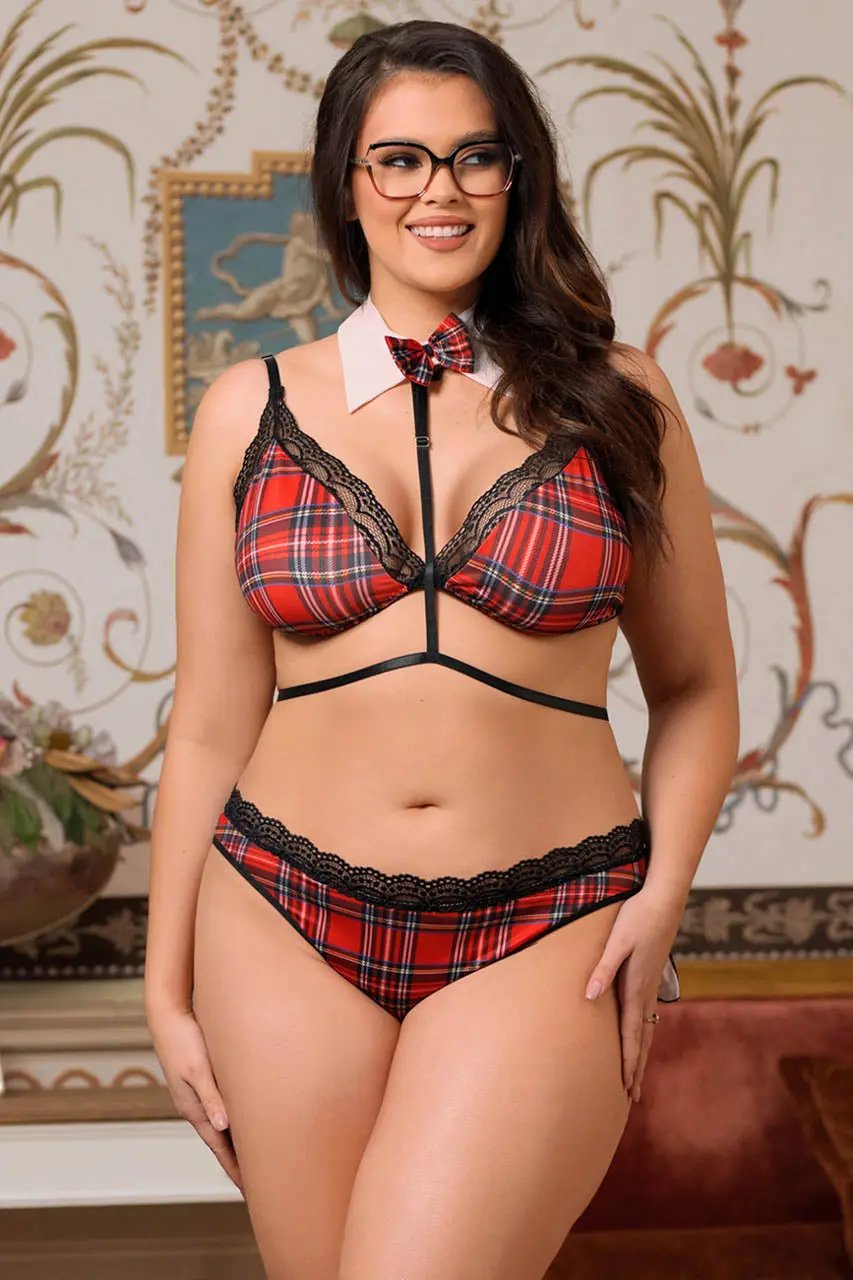
Traditionally, plus-size fashion struggled with limited options, often focusing on basic or unflattering designs. Now, thanks to the versatility of sustainable fibers, brands are creating inclusive collections that celebrate diverse body shapes and sizes while maintaining environmentally responsible practices. This synergy results in:
- Body Positivity Through Design: Sustainable fibers facilitate the creation of expressive, stylish pieces designed specifically to flatter and empower plus-size individuals.
- Accessible and Ethical Fashion: Eco-conscious production methods often prioritize fair labor practices and local sourcing, making fashion more ethically responsible.
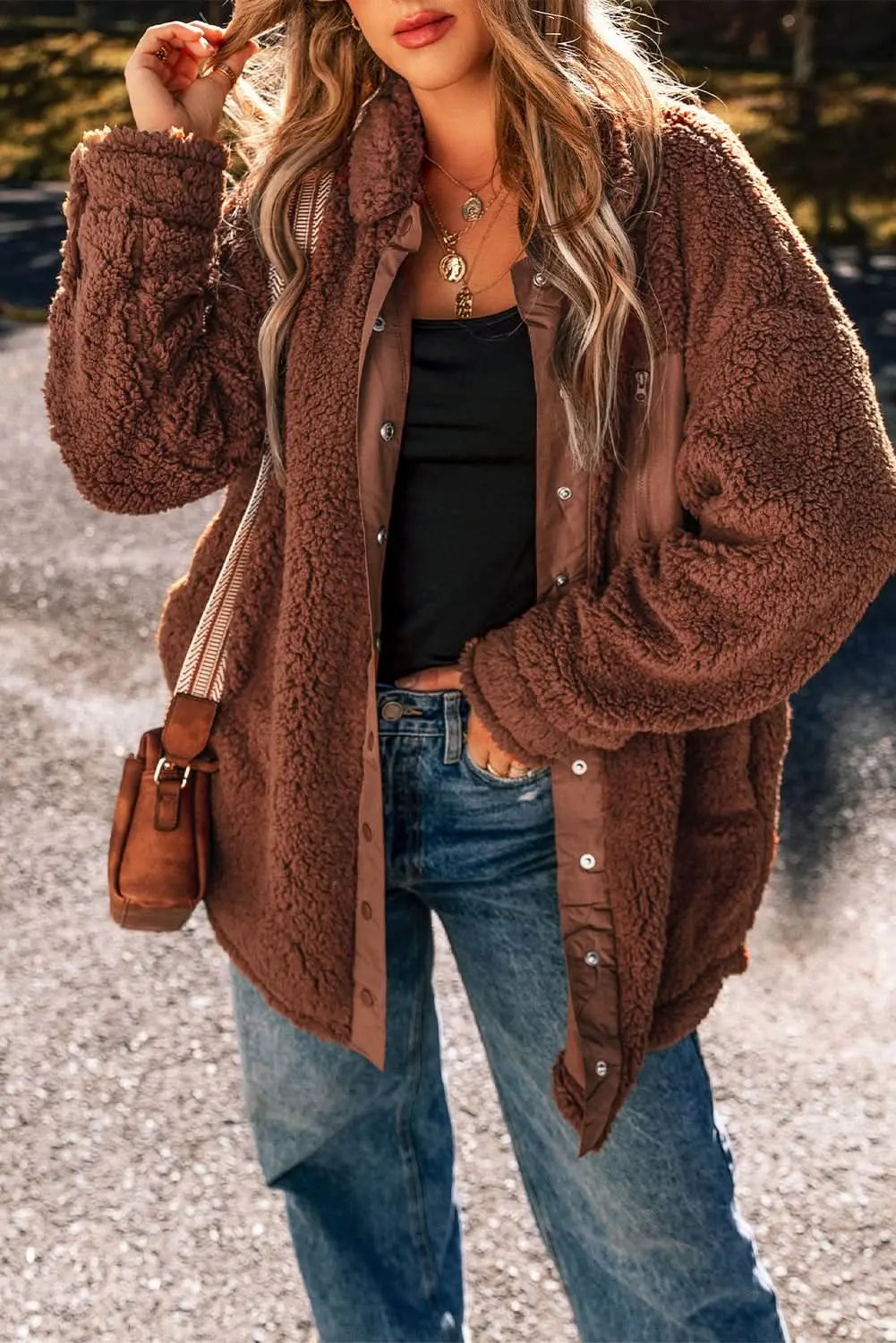
- Wide Range of Styles: From flowing dresses to tailored jackets, the flexibility of eco-friendly textiles supports a broad spectrum of fashion styles suitable for all tastes and occasions.
Brands Leading the Sustainable Plus-Size Movement
Several brands are pioneering the use of innovative eco-friendly fibers to champion diversity and sustainability:
- EcoChic Plus: Specializes in plus-size collections made from recycled polyester and Tencel, providing stylish, eco-friendly options for body-inclusive fashion.
- Inclusive Naturals: Focuses on hemp and bamboo-based textiles, emphasizing natural fibers that champion environmental and social responsibility.
- Sustainable Curves: Blends innovative fibers with adaptive designs to cater to curvy bodies, promoting self-love and ecological awareness.
- Green Vogue: An online retailer dedicated to offering a wide range of plus-size fashion using biodegradable and recycled materials.
Future Trends and Innovations in Eco-Friendly Plus-Size Fashion
The journey toward sustainable and inclusive fashion is ongoing, with exciting developments on the horizon. Key future trends include:
- Bioengineered and Regenerative Textiles: Advances in biotechnology could produce textiles that grow, repair, and recycle themselves, minimizing waste.
- Circular Fashion Models: Emphasizing clothing recycling, upcycling, and leasing to extend product life cycles and lessen environmental impact.
- Integration of Smart and Adaptive Fabrics: Developing textiles that respond to environmental conditions, improving comfort and functionality for plus-size consumers.
- Localized Fiber Production: Building local supply chains reduces transportation emissions and supports community-based manufacturing.
Challenges to Overcome
Despite promising advancements, the path towards widespread adoption of eco-friendly fibers in plus-size fashion faces hurdles such as:
- Cost Barriers: Sustainable fibers often cost more than traditional ones, impacting affordability and accessibility.
- Limited Awareness: Consumers and some designers may lack knowledge about the benefits and attributes of these new materials.
- Supply Chain Development: Building scalable, reliable supply chains for innovative fibers remains an ongoing effort.
- Design and Technology Gaps: Not all eco-friendly fibers currently meet the technical demands of fashion manufacturing, requiring ongoing research and development.
Conclusion
The integration of innovative eco-friendly fibers into plus-size fashion in 2026 signifies a compelling movement towards a more sustainable, inclusive, and ethically conscious industry. These materials are not just revolutionizing textiles—they are empowering brands, designers, and consumers to embrace diversity and responsibility simultaneously. As technology progresses and awareness spreads, the future of fashion holds the promise of being eco-smart, body-positive, and infinitely more diverse.
Ultimately, the shift toward sustainable fibers is more than a trend; it’s a fundamental step towards reimagining a fashion industry that values both people and the planet. By supporting brands that prioritize eco-friendly options and advocating for broader adoption of these fibers, consumers can play a vital role in shaping a better, more inclusive future for fashion in 2026 and beyond.