













Last Updated: November 3, 2026
Quick Summary
Investing in timeless fashion staples means buying fewer, better pieces that hold up and stay in style, like straight-leg jeans, an open-front cardigan, a denim midi skirt, and a neutral leather tote. These classics work across years, mix with what you own, and cost less per wear than trend pieces.
- Start with four workhorses: straight-leg jeans, open-front cardigan, denim midi skirt, and neutral leather tote.
- Read the fabric blend first, then check seams, closures, and listed measurements before buying.
- Build a capsule in order: neutral palette, two bottoms, three tops, one layer, one bag.
- Spread purchases over 12 to 24 months, buying one or two quality pieces per season.
- Cost-per-wear equals price divided by estimated wears, so compare pieces on that, not sticker price.
Table of Contents
- Why Timeless Fashion Staples Beat Trend-Chasing
- The Classic Wardrobe Essentials Worth Your Money
- How to Spot Quality Boutique Clothing Before You Buy
- How to Build a Capsule Wardrobe That Actually Gets Worn
- How to Style Wardrobe Staples for Work, Weekends, and Evenings
- Cost-Per-Wear: The Math That Justifies Better Pieces
- Making Your Investment Pieces Last Beyond a Season
- Building Your Timeless Wardrobe at Love Salve
- Frequently Asked Questions
Why Timeless Fashion Staples Beat Trend-Chasing
Investing in timeless fashion staples is the fastest way to build a closet you actually wear.
The math is simple. A trend piece worn twice costs more per wear than a classic you reach for weekly.
Classic wardrobe essentials skip that churn. A straight-leg jean, a good cardigan, a structured bag: these pieces work across years, not weeks.
Below, we show you exactly how to spot quality, build a capsule wardrobe, and style your staples three ways. We also cover the cost-per-wear math that makes better pieces the cheaper choice long term.
The Classic Wardrobe Essentials Worth Your Money
Certain pieces earn their place in almost every closet. They are the base layers of a capsule wardrobe, and they carry most of your outfits. Start here before you add anything trend-driven.
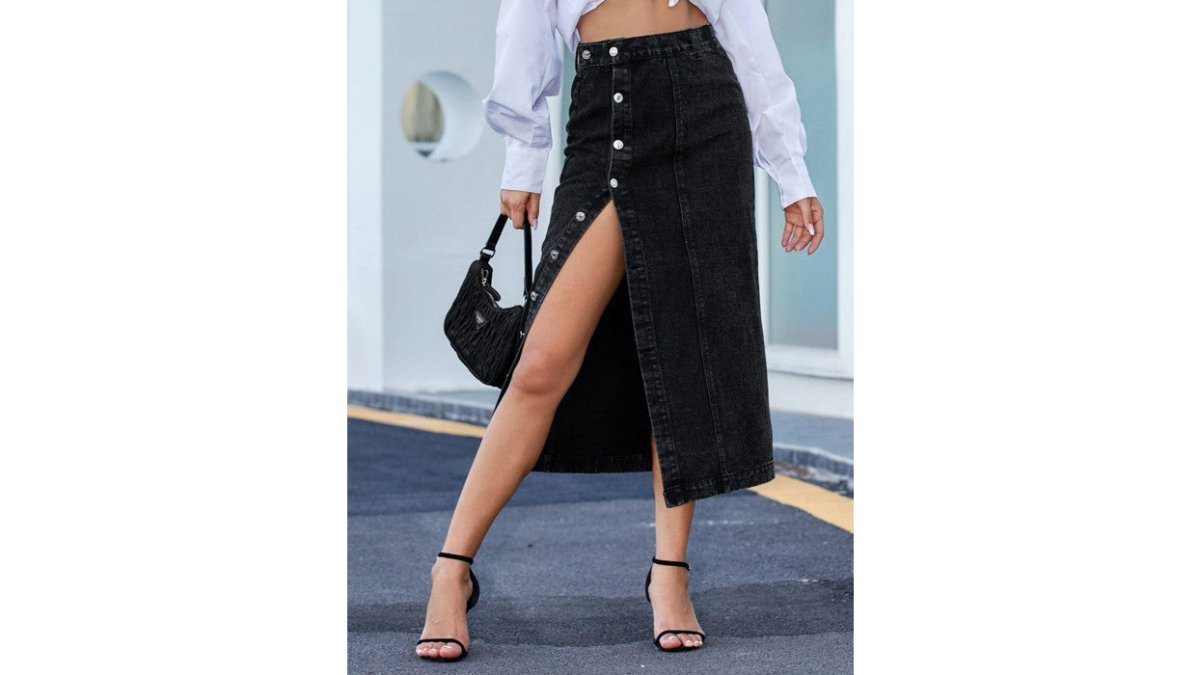
The four workhorses we recommend:
- Straight-leg jeans in a mid-rise, stretch denim
- An open-front cardigan you can layer year-round
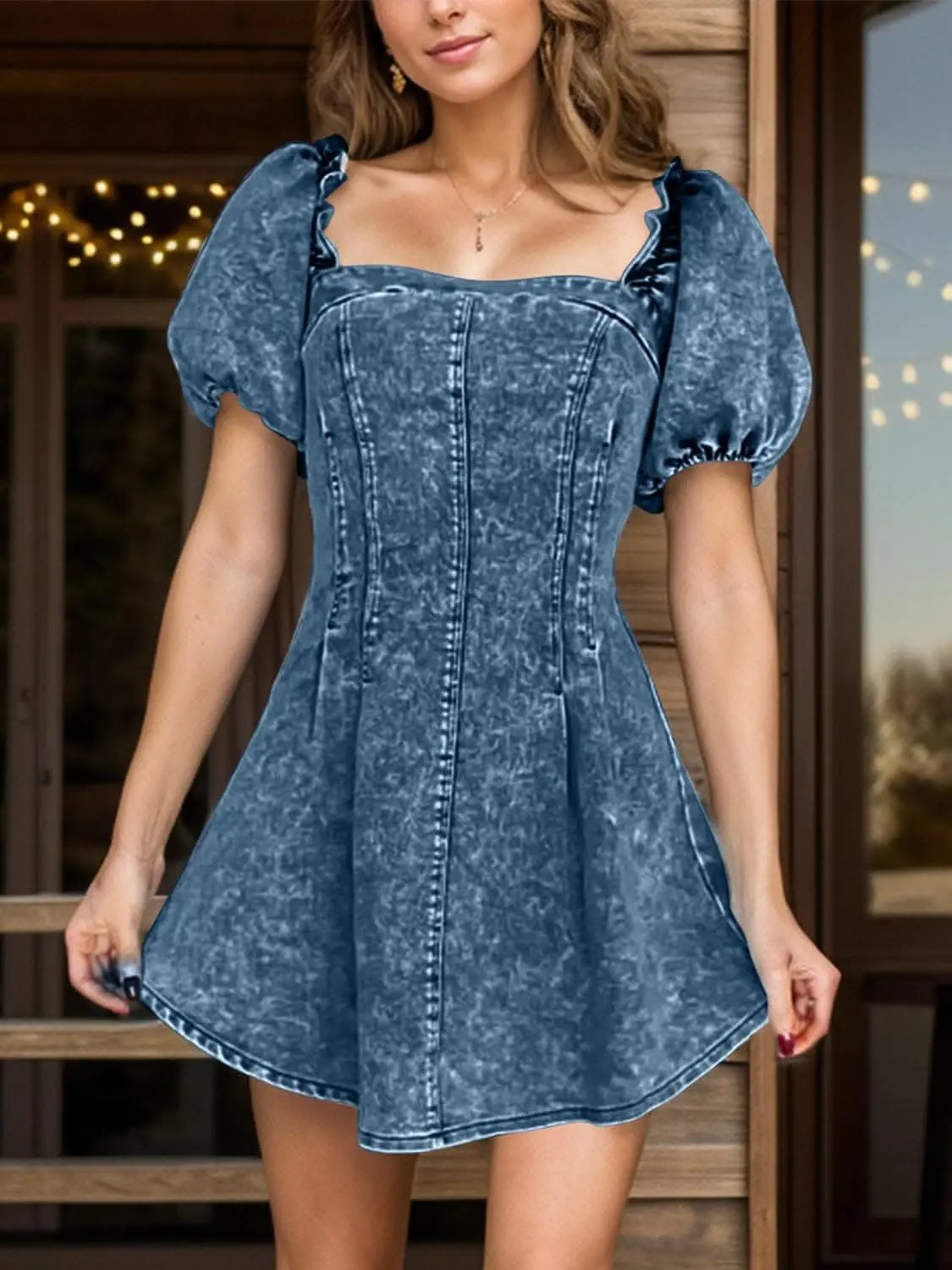
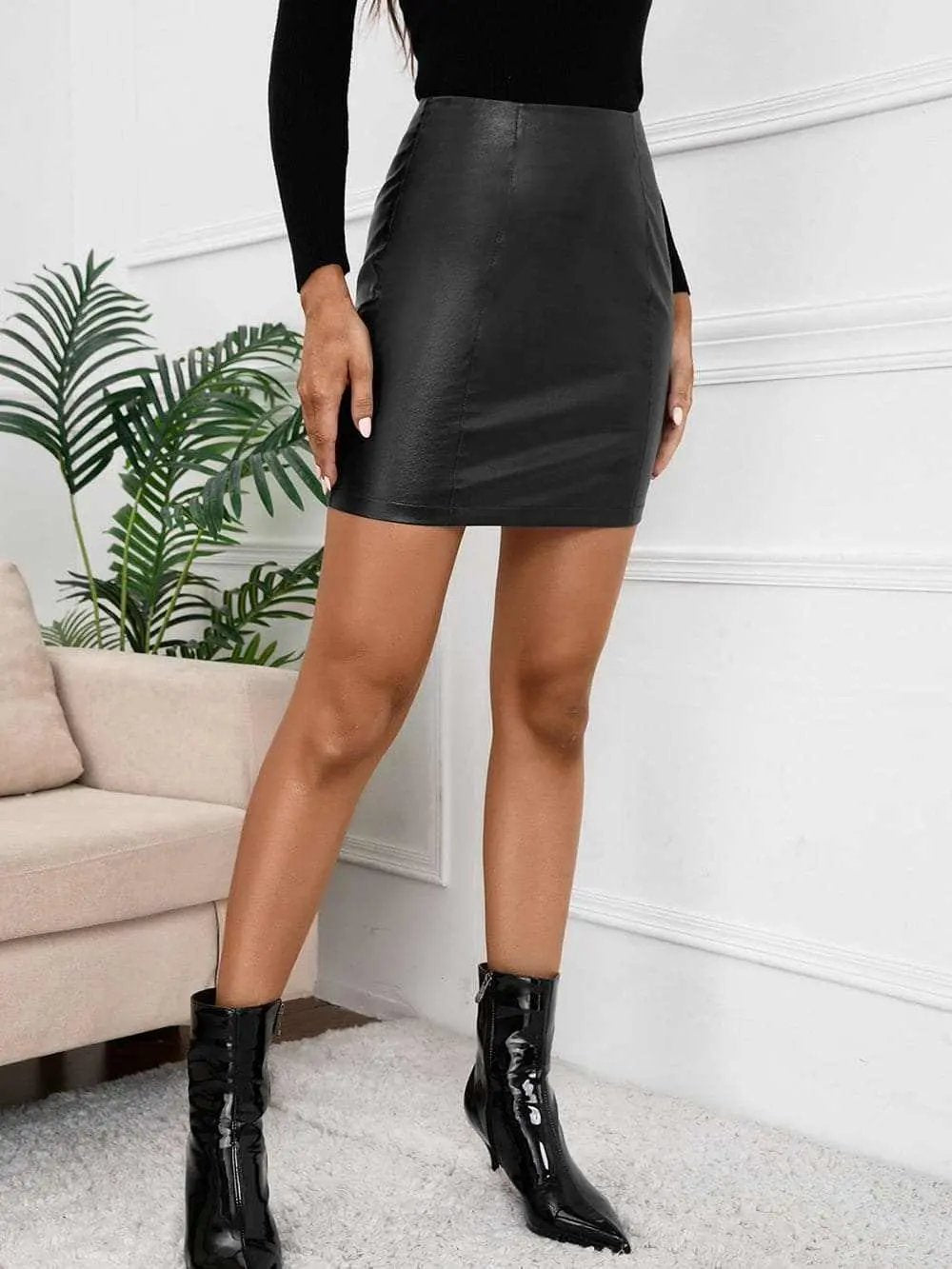
- A denim midi skirt for warm and cool months
Each one pairs with the others. That is the whole point. A small set of pieces that all talk to each other gives you more outfits than a full closet of mismatched buys.
Denim That Holds Its Shape
Denim is the backbone of a timeless closet, but not all denim is equal. The best pairs keep their shape after months of wear instead of bagging at the knees.
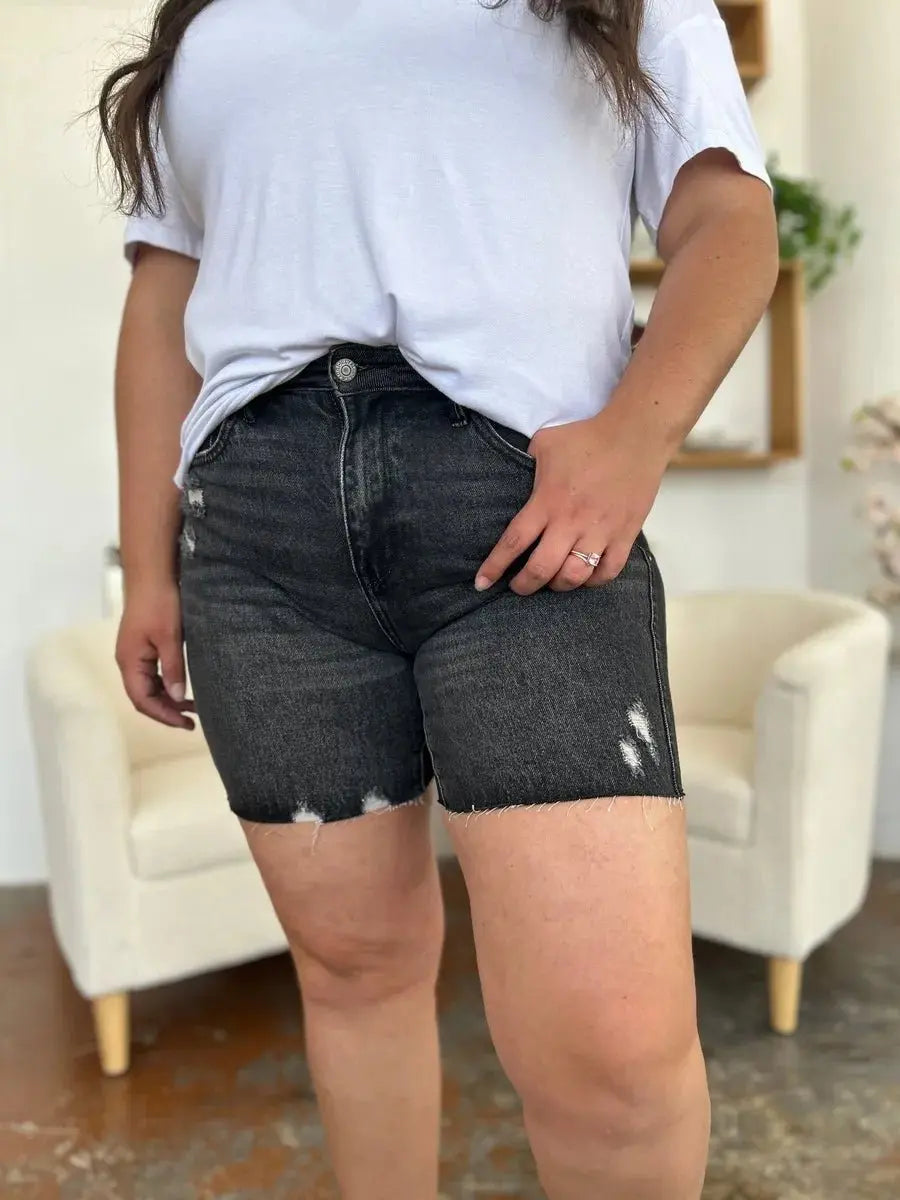
Look at the blend. A mix of cotton with a little polyester, viscose, and spandex gives structure plus stretch. Our Women's Essential Straight Jeans use a 50% cotton, 36% polyester, 12% viscose, 2% spandex blend with a 32-inch inseam and mid-rise fit.
Layers You Reach For Weekly
The right layer does more work than any other piece. It handles cool mornings, air-conditioned offices, and evenings out without a full outfit change.
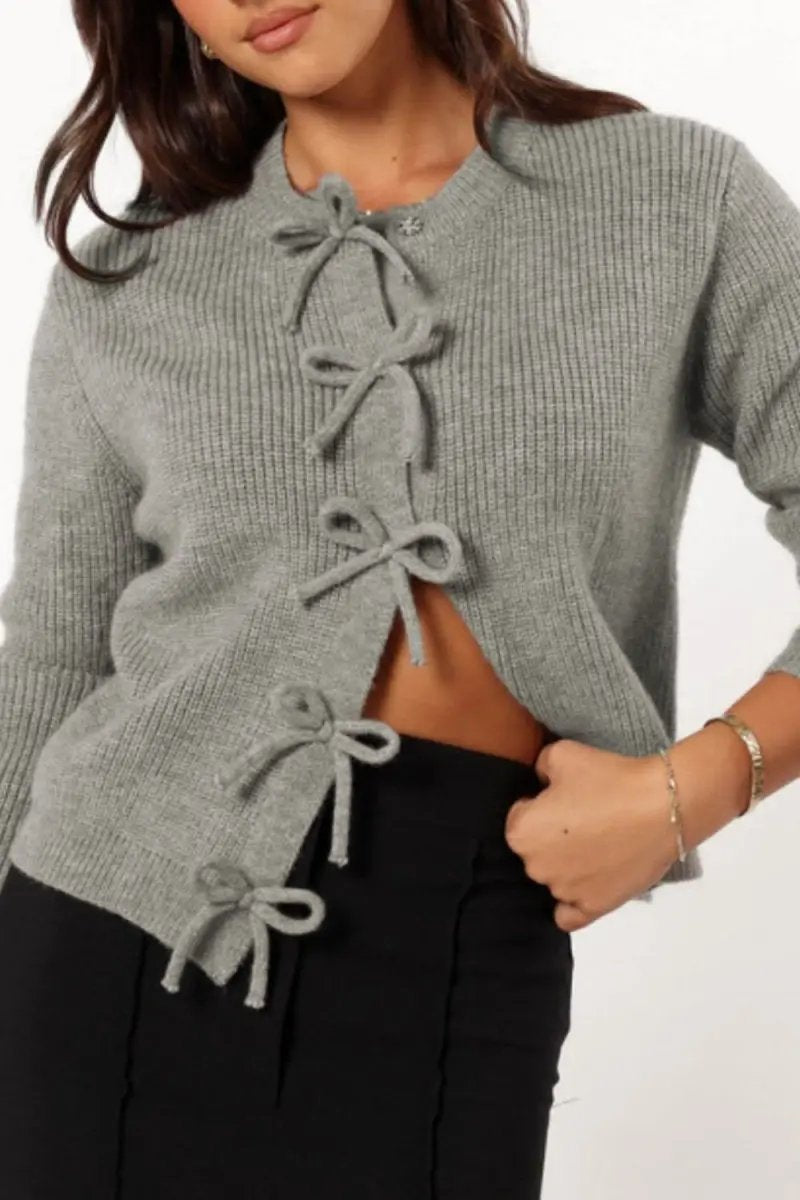
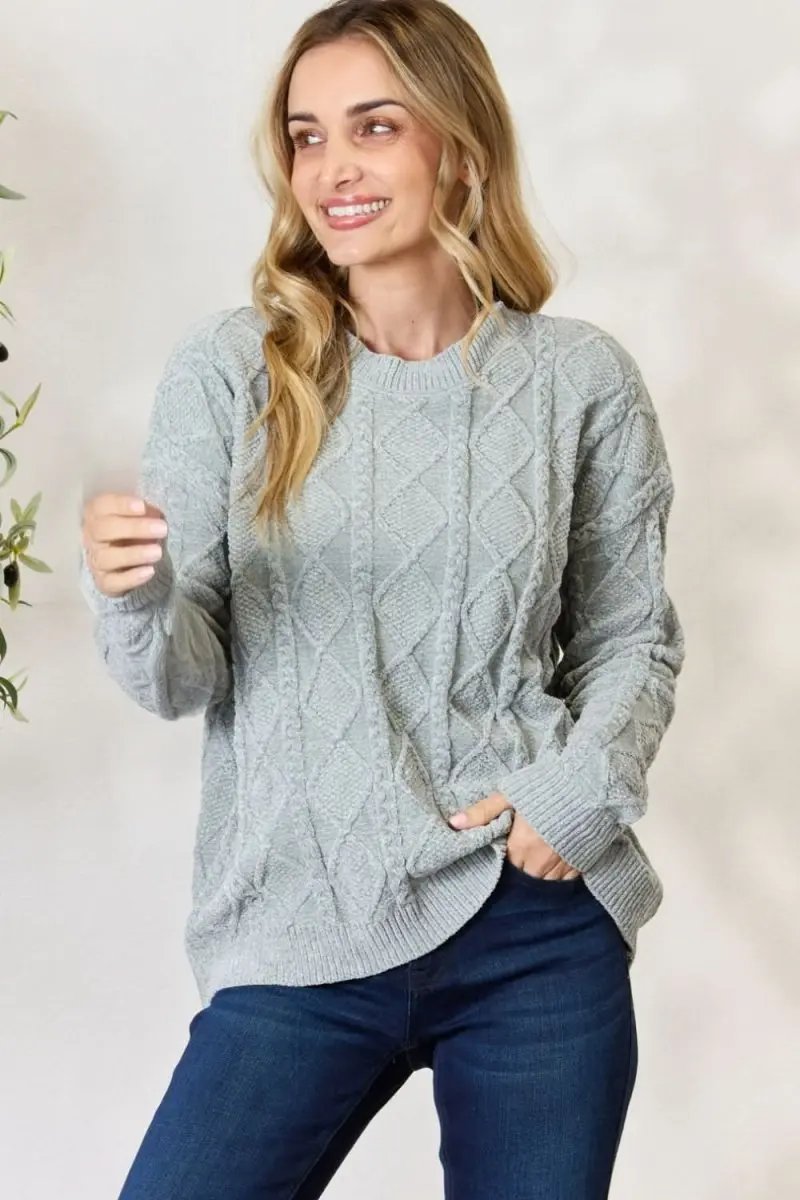
We look for a few things: a clean open front, pockets you can use, and a knit that drapes instead of clings. The Kylin Open Front Cardigan checks those boxes with a stretch rib knit, deep patch pockets, and a 36-inch length.
These are the four workhorses we recommend starting with before adding anything trend-driven.
| Piece | Key detail |
|---|---|
| Straight-leg jeans | Mid-rise, stretch denim |
| Open-front cardigan | Layer year-round |
| Denim midi skirt | Works for warm and cool months |
| Neutral leather tote | Fits your daily carry |
How to Spot Quality Boutique Clothing Before You Buy
Quality is something you can check in seconds, even online. The trick is knowing what to look at. Focus on fabric content and construction, not the marketing copy.
Here is the order we use when judging a piece:
- Read the fabric blend first
- Check the seams and closures
- Confirm the fit details and measurements
- Look for real customer photos on real bodies
If a listing hides the fabric content or shows only studio shots, that tells you something. Good quality boutique clothing shows its details up front.
Read the Fabric Blend, Not the Label
The fabric blend tells you how a garment will wear, wash, and last. Natural fibers like cotton breathe and soften with age. A small share of synthetic fiber adds stretch and shape recovery.
Use this quick guide:
- High cotton = breathable, durable, softens over time
- Some polyester = resists wrinkles, holds color
- A little spandex = stretch and bounce-back
The label word "premium" means nothing on its own. The percentages do.
Go Beyond the Blend: Weave, GSM, and Hand-Feel
Most guides stop at fiber content, but the same blend can feel and perform very differently depending on how it is woven or knitted. Two numbers matter more than any marketing term: weave structure and grams per square meter (GSM).
- GSM measures fabric weight. A lightweight cotton tee might be 120-140 GSM; a durable one is often 180-220 GSM. For wool suiting, 250-300 GSM is a common year-round weight; anything below 200 GSM tends to wear thin at stress points.
- Weave changes drape and durability. Plain weave (like poplin) is crisp and strong but wrinkles; twill (like denim or gabardine) hides stains and resists abrasion; satin weaves feel smooth but snag easily.
- Knit vs. woven matters for stretch and recovery. A dense rib knit (higher GSM, tighter gauge) holds shape; a loose jersey knit pills and bags out.
When a listing does not state GSM, look for close-up photos of the fabric surface. You can often see whether a knit is tight or loose, or whether a weave is dense or open.
Check Seams, Closures, and Fit
Construction is where cheap clothes give themselves away. Look for straight, tight stitching and no loose threads in the photos.
Fit matters just as much. Check the listed measurements, not just the size.
Watch out: buying by size label instead of measurements is the top reason shoppers order three sizes and keep none. Measure a pair you already love and compare.
The Tailoring Test: Can This Piece Be Altered?
A final quality signal is whether a garment can be tailored. Look for seam allowances, extra fabric inside the seams, which let a tailor take in or let out a piece. Ready-to-wear often skimps here. A jacket with a generous seam allowance can be nipped at the waist; one without cannot. Before you buy, check whether the shoulders of a jacket or the waistband of trousers can realistically be adjusted.
A Note on Second-Hand and Vintage
The same evaluation rules apply to resale. In fact, vintage pieces often reveal their quality over time: a 20-year-old wool coat that still holds its shape is proof of good fabric and construction. When shopping second-hand, check for moth holes, stretched knits, and worn elbows, but do not overlook pieces that simply need a tailor.
How to Build a Capsule Wardrobe That Actually Gets Worn
A capsule wardrobe is a small, curated set of pieces that all mix together. The goal is fewer items and more outfits.
Women's Essential Straight Jeans →
Start with a wardrobe audit. Pull out what you wore in the last month. Set aside what you never reach for.
Then build in this order:
- Pick a neutral palette: cream, black, denim, brown, gray
- Choose two bottoms you love
- Add three tops that match both
- Add one layer and one bag
- Stop. Wear it for two weeks before adding more
For a focused checklist, see what a minimalist travel capsule wardrobe should include. The same principles keep a home closet lean and wearable.
The 12-to-24-Month Investment Roadmap
Most capsule guides imply you should overhaul your closet in one shopping trip. That is unrealistic and expensive. A better approach is to spread purchases over 12 to 24 months, buying one or two high-quality pieces per season and filling gaps with what you already own.
Here is a sample roadmap for a 12-month build:
- Months 1-3: Audit your closet and identify the two or three pieces you wear most. Replace the weakest of those first (often jeans or a everyday bag).
- Months 4-6: Add one versatile layer (a cardigan or blazer) and one pair of shoes that works for both work and weekends.
- Months 7-9: Fill the top half, two or three tees or blouses that match your bottoms. Choose fabrics with enough GSM to hold shape.
This pacing lets you test each piece in real life before buying the next. It also spreads cost. A common pattern is to set a quarterly budget, say, $150-$300, and stick to it rather than buying everything at once.
Tailoring: The Step That Turns Good Into Great
Even a well-chosen piece can fit imperfectly off the rack. Professional tailoring is the missing step in most capsule advice. A $20-$40 alteration, taking in a waist, shortening a hem, or tapering a sleeve, can make a mid-priced garment look custom.
Watch out: do not buy a piece hoping to lose or gain weight to make it fit. Tailoring works best on minor adjustments, not on changing the fundamental size.
When to Break the Rules
A capsule is a tool, not a religion. If you work in a creative field or love color, a strict neutral palette may feel stifling. The principle is coherence, not uniformity: every piece should work with at least two others. That is the real test. If a new item only pairs with one thing you own, it is not a staple, it is a guest star.
How to Style Wardrobe Staples for Work, Weekends, and Evenings
The best staples pull triple duty.
For work: Tuck a blouse into straight-leg jeans and add the open-front cardigan.
For weekends: Pair the jeans with a tee and sneakers. Throw the cardigan over your shoulders.
For evenings: Add a silky top and heels to the same jeans. Let the cardigan drape open.
The pieces do not change. The styling does.
Cost-Per-Wear: The Math That Justifies Better Pieces
Cost-per-wear is the price of a piece divided by how many times you wear it. It is the single best way to judge whether something is worth buying.
Run the numbers on a $64 pair of jeans. Wear them twice a week for a year and that is over 100 wears.
Use this formula before you buy:
- Cost-per-wear = price ÷ estimated wears
- Estimate wears honestly, based on your real routine
- Compare pieces on cost-per-wear, not sticker price
This is why buy-it-for-life thinking pays off. You spend more once and replace less often.
Making Your Investment Pieces Last Beyond a Season
Care decides whether a good piece lasts two years or ten. Most clothes do not wear out. They get washed wrong, stored badly, or ironed too hot.
Follow these habits:
- Wash denim inside out in cold water (How to Clean, Wash, & Dry Jeans: Denim Cleaning Guide)
- Skip the dryer when you can; air dry knits flat (How do I dry wool?)
- Fold knits instead of hanging them (Caring for Wool)
Small routines add years to the pieces you just invested in.
Building Your Timeless Wardrobe at Love Salve
A timeless closet is not about spending the most. It is about choosing well, then caring for what you own. Fewer, better pieces beat a packed closet every time.
We built our collection around that idea. You get inclusive sizing for every body, plus-size options, and free shipping.
Ready to start? Shop now at Love Salve.
Frequently Asked Questions
What is the 3-3-3 rule for fashion?
The 3-3-3 rule is a packing and shopping guideline: three tops, three bottoms, and three pairs of shoes that all work together create at least 27 outfit combinations. It works because every piece shares a neutral palette and similar formality level, so nothing sits unworn. Use it when you build a capsule wardrobe or pack for a trip. The point is versatility: choose pieces like straight-leg jeans, a denim midi skirt, and an open-front cardigan that mix without clashing, and you get more outfits from fewer items.
Which clothing pieces are actually worth investing in?
Prioritize pieces you wear at least once a week and that take the most wear: denim, knit layers, outerwear, and a everyday bag. A straight-leg jean in a cotton-rich blend with a little stretch is a versatile everyday option. A rib-knit cardigan works as a layering piece. A structured tote carries daily essentials without sagging. These are the timeless fashion staples where a higher upfront price usually means better construction and a longer life, so cost-per-wear drops with every wear.
How can you tell if boutique clothing is good quality?
Start with the fabric blend on the care label. A higher natural-fiber content, like the 50% cotton and 2% spandex in a well-made stretch denim, tends to hold shape and breathe better than all-synthetic fabric. Then check construction: even seams, secure buttons, a smooth zipper, and a lining where it matters. Feel the weight of the fabric, and look for pieces that keep their shape after a wash.
How do you style classic wardrobe staples for different occasions?
Build each look around one anchor piece. For work, tuck a blouse into a high-waisted denim midi skirt and add a structured tote. For weekends, pair straight-leg jeans with the same cardigan and sneakers or sandals. For evenings, swap the tote for a smaller bag and layer the cardigan over a dress. Because these staples share a neutral palette, they transition across settings without a full outfit change. Keep accessories simple and let fit and proportion do the work.
The challenge is simple: stop replacing clothes every season and start choosing pieces that last. Love Salve makes that easier with inclusive fashion for every body type, a curated selection of trendy yet timeless pieces, and free shipping on every order. Get started with Love Salve and build a closet that works as hard as you do.


