















Introduction
In 2026, the fashion industry is undergoing a profound transformation driven by two powerful narratives: sustainability and inclusivity. The intersection of eco-friendly textile innovations and plus-size fashion is creating a more equitable, environmentally responsible, and stylish industry. Consumers today are increasingly demanding clothing that not only aligns with their values of environmental stewardship but also celebrates diversity in body sizes and shapes. This comprehensive shift is redefining industry standards, empowering consumers, and paving the way for a future where fashion is accessible, sustainable, and inclusive for all.
The Evolution of Eco-Friendly Textiles
Advancements in sustainable textile production are fueling this shift. Traditional textile manufacturing is notorious for its environmental impact, consuming vast amounts of water, energy, and chemicals. However, recent innovations focus on reducing this footprint through the development of eco-friendly fabrics. Some of the most transformative innovations include:
- Recycled Synthetic Fabrics: Using post-consumer plastics such as PET bottles and fishing nets to create high-quality, durable fibers. These recycled materials reduce plastic waste and lower the demand for virgin petroleum-based fabrics.
- Bio-Based and Biodegradable Fibers: Fibers derived from renewable sources like algae, hemp, and bamboo are gaining popularity. These materials often require less water, pesticides, and fertilizers, making them more sustainable. Moreover, biodegradable fibers break down naturally, reducing long-term textile waste.
- Organic and Regenerative Cotton: Cultivated without synthetic chemicals, pesticides, or fertilizers, organic cotton minimizes environmental pollution. Regenerative agriculture practices are further enhancing soil health and sequestering carbon, contributing to global climate goals.
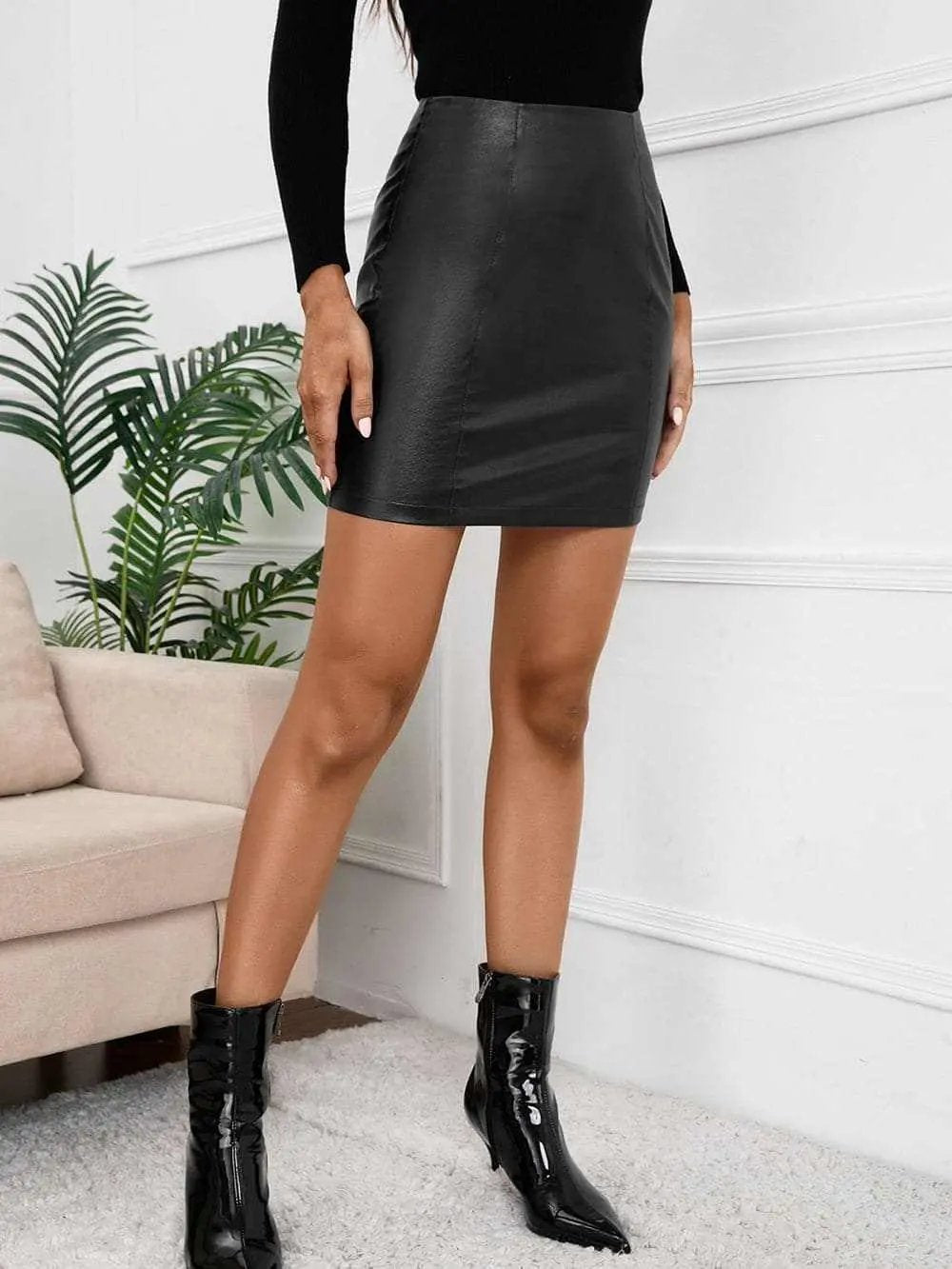
- Lab-Grown and Cultivated Leather: Using cellular agriculture techniques, scientists are producing vegan leathers and fabrics that mimic animal-derived materials without animal cruelty or environmental degradation. These materials require less water, land, and energy than traditional leather manufacturing.
- Innovative Weaving and Dyeing Techniques: Technologies such as digital printing and natural dye extraction reduce water and chemical use, making the production process more sustainable and environmentally friendly.
The Role of Textile Innovations in Advancing Plus-Size Fashion
These textile innovations are especially impactful in plus-size fashion for several reasons:
- Improved Comfort and Fit: Eco-friendly fabrics often incorporate natural stretch properties, moisture-wicking capabilities, and breathability. These features ensure that plus-size clothing remains comfortable for prolonged wear, accommodating various body shapes and movements.
- Enhanced Durability: High-performance sustainable textiles, such as recycled nylon or bio-based fibers, are durable and resistant to wear and tear. This longevity aligns with consumers' desire for lasting, sustainable clothing, reducing waste and the need for frequent replacements.
- Sustainable Manufacturing Processes: Innovations in textile production reduce environmental impacts, making it feasible to produce larger-sized garments sustainably without compromising quality or style.
- Design Flexibility: New textile technologies offer more possibilities for creating flattering cuts and diverse silhouettes that celebrate body positivity. Their adaptability supports inclusive design practices, leading to a wider array of styles and fits.
- Cost-Effectiveness: As eco-friendly textiles become more mainstream and scalable, they become more affordable. This democratization allows plus-size fashion to be more accessible to a broader consumer base.
The Impact on Industry Standards and Consumer Expectations
Since 2024, the fashion sector has seen a surge in brands adopting sustainable textiles for their plus-size lines. This shift influences several industry trends:
- Inclusive Sizing and Design: More brands are expanding their size ranges, reflecting a commitment to inclusivity. Eco-friendly textiles empower designers to create versatile, comfortable plus-size apparel that is both sustainable and flattering.
- Transparency and Ethical Practices: Consumers increasingly demand transparency about sourcing and manufacturing. Brands utilizing eco-friendly textiles typically share detailed insights into supply chains, fostering trust and loyalty.
- Collaborations and Certifications: Partnerships between sustainable textile producers and plus-size brands are becoming commonplace. Certifications like GOTS (Global Organic Textile Standard) and OEKO-TEX further validate a brand’s environmental and social commitments.
- Market Growth and Consumer Loyalty: The demand for sustainable, inclusive fashion options is driving market growth. Consumers are more loyal to brands that reflect their values, creating a virtuous cycle of increased sustainability and diversity.
Challenges and Opportunities Ahead
Despite these promising developments, the industry faces hurdles, including:
- Cost Barriers: Some eco-friendly textiles remain more expensive than conventional fabrics, potentially leading to higher retail prices.
- Technical Limitations: Not all sustainable textiles are suitable for every garment type or high-performance applications.
- Supply Chain Complexity: Ensuring transparency and sustainability throughout complex global supply chains can be challenging.
However, these challenges present opportunities for innovation, collaboration, and policy support. Investment in research, scaling manufacturing processes, and consumer education can accelerate the adoption of sustainable textiles in plus-size fashion.
Consumer Benefits and Looking Toward the Future
Consumers enjoying this evolving landscape benefit in numerous ways:
- Greater Style Variety: More inclusive, sustainable collections mean diverse options that cater to different tastes and sizes.
- Environmental Responsibility: Choosing eco-friendly textiles reduces personal and collective carbon footprints.
- Empowerment and Representation: Plus-size consumers see their bodies celebrated through innovative, stylish designs that honor their identities.
As we move through 2026 and beyond, the integration of eco-friendly textile solutions into the plus-size fashion industry is expected to deepen. The future promises a landscape where sustainability and inclusivity are not afterthoughts but core principles driving innovation and design.
Conclusion
The synergy between eco-friendly textile innovations and inclusive plus-size fashion is revolutionizing the industry. It reflects a conscious move toward responsible fashion that recognizes and celebrates human diversity while protecting our planet. With ongoing technological advances, increased consumer advocacy, and collaborative industry efforts, 2026 marks a significant milestone—a future where fashion is truly sustainable, inclusive, and inspiring for everyone.