













Introduction
As we progress further into 2026, the fashion industry continues to evolve at an unprecedented pace, driven by a growing demand for sustainability and inclusivity. Among the most significant transformations is the revolution in plus-size fashion, which is now a vibrant intersection of eco-conscious innovation and diverse representation. This shift is largely powered by the development and adoption of advanced sustainable fabrics that are reshaping how brands approach design, production, and marketing. The result is a more inclusive, ethically responsible, and environmentally friendly industry that truly reflects the diverse needs of consumers worldwide.
The Historical Context of Plus-Size Fashion
Historically, plus-size fashion suffered from limited options, stereotypical designs, and a marginal place within mainstream fashion. Many brands marginalized larger sizes, and consumers often faced the dilemma of sacrificing style for comfort or vice versa. Furthermore, the lack of inclusive sizing meant that representation was minimal, often confined to marginalized segments or stereotypes rather than authentic expressions of identity.
However, over the past decade, this landscape has begun to shift. Increased awareness and advocacy for body positivity, combined with advancements in textile technology and sustainable manufacturing, have created opportunities for a more inclusive and responsible fashion industry. Today, plus-size consumers are demanding choices that reflect their identities, lifestyles, and values — including their commitment to sustainability.
Innovative Sustainable Fabrics Driving Change
At the heart of this revolution are groundbreaking developments in textile science. Advanced sustainable fabrics are key drivers in enabling brands to produce stylish, durable, and eco-friendly products catering to plus-size clientele. Some of the most impactful developments include:
- Bio-based Fibers: These are derived from renewable biological sources such as cellulose, algae, or other biodegradable materials. Tencel Lyocell, made from sustainably sourced eucalyptus tree pulp, is highly regarded for its softness, breathability, and low environmental impact. Piñatex, made from pineapple leaf fibers, is an innovative leather alternative increasingly used in fashion accessories and garments.
- Recycled Materials: Fabrics made from recycled plastics have surged in popularity. Recycled polyester—obtained from ocean plastics, discarded bottles, and textile waste—offers a durable, eco-friendly alternative to virgin fibers. Similarly, recycled nylon provides strong, flexible textiles suitable for plus-size fashion that demands both comfort and aesthetics.
- Mycelium and Fungal Leather: Mycelium, the root structure of mushrooms, is used to create biodegradable leather-like materials. These textiles are not only sustainable but also customizable in texture and appearance, lending themselves to high fashion and everyday wear alike.
- Lab-Grown and Bioengineered Textiles: Scientific advances have enabled the creation of textiles grown in labs, free from the environmental impacts of traditional farming. These include lab-grown silk, spider silk, and other specialty fibers that combine strength, flexibility, and sustainability.
The Role of Advanced Fabrics in Enhancing Plus-Size Fashion
The integration of these fabrics into plus-size fashion has ripple effects, transforming everything from design paradigms to consumer experience:
- Superior Comfort and Fit: Sustainable fabrics often have superior elasticity, breathability, and moisture-wicking properties—crucial for plus-size garments that need to provide comfort and support throughout the day.
- Durability and Longevity: Advanced textiles resist wear and tear, ensuring that plus-size clothing maintains its shape and appearance over time, which promotes sustainability by reducing waste.
- Design Flexibility: Innovative fabrics can be crafted into a variety of textures, finishes, and weights, allowing designers to create diverse styles that flatter different body shapes and sizes while also being environmentally friendly.
- Color and Pattern Versatility: Sustainable textiles often accept dyes more readily and hold color longer, enabling vibrant, long-lasting designs that celebrate diversity and self-expression.
Driving a Cultural Shift Toward Diversity and Inclusion
The advent of sustainable fabrics goes hand-in-hand with a broader cultural movement to promote diversity in fashion. Modern consumers seek brands that embody ethical practices and represent their identities authentically:
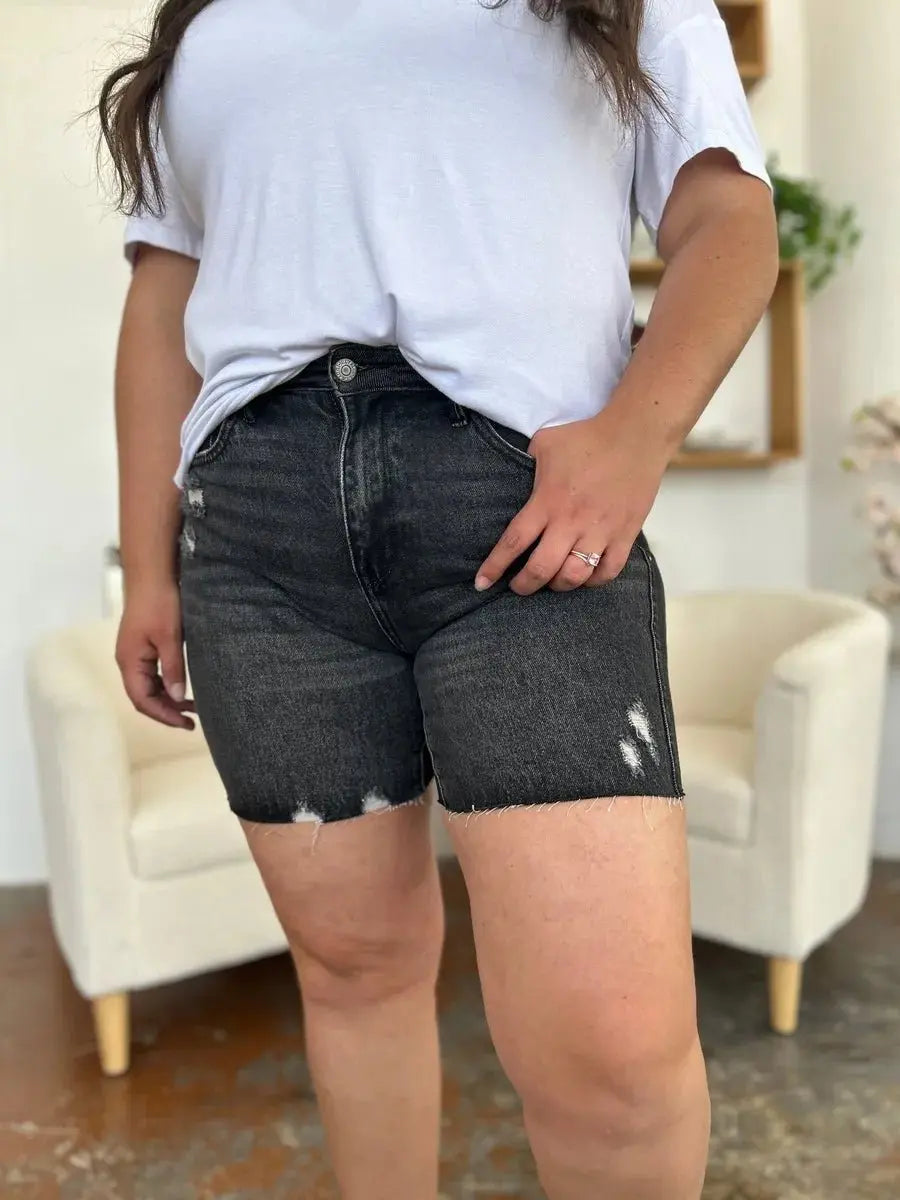
- Representation and Body Positivity: Brands are increasingly showcasing diverse models across all sizes, emphasizing that fashion is for everyone. Sustainable textiles provide the foundation for creating inclusive collections that are both stylish and eco-conscious.
- Accessibility and Affordability: As production techniques become more efficient and scalable, sustainable plus-size fashion is becoming more affordable, making eco-friendly choices accessible to a broader audience.
- Cultural Preservation and Expression: Sustainable fabrics derived from indigenous and natural sources promote cultural heritage while fostering unique fashion narratives that celebrate diversity and sustainability.
Case Studies of Brands Leading the Way in 2026
Several brands are setting benchmarks in integrating advanced sustainable fabrics into plus-size collections:
- EcoChic Plus: This brand combines recycled ocean plastics with bio-based fibers for vibrant, durable plus-size clothing, emphasizing transparency and ethical labor practices.
- Inclusive Earth: Known for its innovative use of mushroom leather and lab-grown textiles, this company creates stylish, sustainable plus-size accessories and garments, promoting biodiversity and environmental health.
- Vivid Diversity: Focuses on designing for all body types using eco-conscious fabrics sourced from local and indigenous communities, highlighting cultural inclusion and sustainability.
The Future Outlook of Plus-Size Sustainable Fashion
Looking ahead, the trajectory of plus-size fashion will be shaped by continued technological innovation, consumer activism, and industry accountability. Some anticipated trends include:
- Greater Transparency: Brands will increasingly disclose supply chain details, fabric origins, and environmental impact statistics, fostering trust and informed consumer choices.
- Bio-Design Collaborations: Partnerships between scientists, designers, and local communities will lead to new sustainable textile innovations tailored for plus-size fashion.
- Circular Fashion Models: Emphasis on recycling, upcycling, and rental models to extend the lifecycle of garments crafted from advanced sustainable fabrics.
- Global Movement Toward Equitable Fashion: The integration of sustainability and diversity will drive policy changes, industry standards, and consumer expectations worldwide.
Conclusion
In 2026, the convergence of innovative sustainable fabrics and inclusive design has unlocked new horizons for plus-size fashion. This movement champions not only environmental responsibility but also celebrates the rich diversity of body types, cultures, and identities. By embracing advanced textile technology, the fashion industry is taking significant steps to create a future where style, sustainability, and inclusivity coexist harmoniously. As consumers, designers, and brands continue to innovate and advocate, the journey toward a more equitable and eco-conscious fashion ecosystem is well underway, promising a vibrant and responsible future.